Not all leads are created equal, but too often, sales teams waste time chasing prospects who will never buy. The result? Longer sales cycles, frustrated reps, and missed revenue. Smart lead qualification changes the game. By identifying the prospects who are truly ready, capable, and a perfect fit, you can focus your energy where it counts, shorten the pipeline, and close more deals. In this guide, we’ll share 10 proven lead qualification strategies that help you separate the promising from the time-wasters, maximize your team’s efficiency, and turn every qualified lead into a real opportunity.
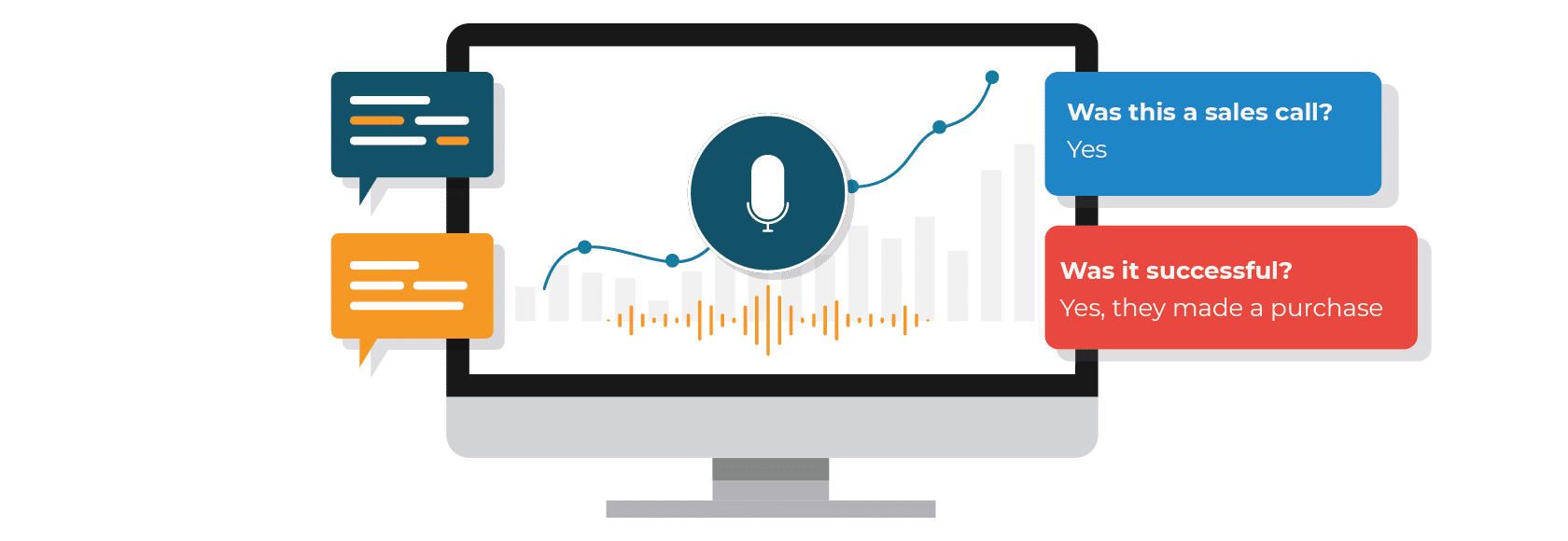
To make that happen, AI Acquisition's AI automation software automates lead scoring, reads engagement signals, and routes likely customers to reps so your team spends time on real opportunities and lifts conversion rates. It plugs into your CRM and uses simple rules and predictive models to prioritize prospects without adding work.
Summary
Poor lead qualification is a major revenue drain, with sales teams spending nearly 50% of their time on unproductive prospecting and businesses losing up to $1 trillion annually due to poor lead management.
Volume-driven handoffs create noise: 61% of B2B marketers send all leads directly to sales, yet only 27% of those leads are actually sales-ready.
Effective nurturing and alignment pay off: companies that excel at lead nurturing generate 50% more sales-ready leads at 33% lower cost, and firms that align sales and marketing see a 208% increase in revenue.
Automation and AI materially speed qualification, reducing lead qualification time by 40% and correlating with a 25% increase in conversion rates for teams that adopt predictive scoring and intent signals.
Poor-quality leads also damage operations and morale: 79% of marketing leads never convert, and 67% of sales professionals cite poor lead quality as their biggest frustration, which increases recruitment and turnover costs.
AI Acquisition's AI automation software addresses this by automating lead scoring, reading engagement signals, enriching records, and routing high-probability prospects into CRM workflows so reps focus on validated opportunities.
Table of Contents
Why Poor Lead Qualification Is Costing You Time and Revenue
Top 10 Lead Qualification Strategies That Actually Work
How AI and Automation Are Sharpening Lead Qualification
Automate Lead Qualification and Grow Your Pipeline with AI
Why Poor Lead Qualification Is Costing You Time and Revenue

Your sales reps are spending hours on contacts that never buy, your conversion rates stall, and deals slip away while marketing spend rises with no return. If your reps are chasing leads that never convert, your pipeline is leaking revenue, and your team is burning out. This is not theoretical; it manifests as longer sales cycles, missed quotas, and time lost that could have been spent closing genuine opportunities.
The High Cost of Chasing Ghosts
Poor lead qualification may be one of the worst setbacks for your business. At first, every new lead sparks hope. You invest time and energy nurturing them, only to realize they were never serious buyers. That frustration eventually leads to lost revenue, wasted resources, and team burnout.
The Allure of Big Numbers
Volume seduces because it simplifies choices: more leads equal more chances, right? A low cost-per-lead looks attractive until you factor in the time your team spends separating noise from signal. That trap is visible when firms treat every contact as a sales-ready opportunity, and it becomes self-reinforcing: higher volume just creates more false positives. Remember that 61% of B2B marketers send all leads directly to sales; however, only 27% of those leads are qualified.
The Financial Burden of Poor Lead Qualification
Wasted Time & Effort: Sales teams spend nearly 50% of their time on unproductive prospecting (Source: InsideSales.com). Imagine how much more they could achieve by focusing on high-intent leads instead.
Revenue Drain: Businesses lose up to $1 trillion annually due to poor lead management and qualification (Source: Harvard Business Review).
Team Burnout: 67% of sales professionals say poor lead quality is their biggest frustration (Source: Salesforce State of Sales Report).
Low Conversion Rates: On average, only 27% of leads are sales-ready (Source: MarketingSherpa).
Lost B2B Revenue: 79% of marketing leads never convert into sales due to poor follow-up or qualification processes (Source: MarketingSherpa).
Research shows the payoff of a better approach is substantial. Companies that excel at lead nurturing generate 50% more sales-ready leads at 33% lower cost.
6 Operational Burden of Poor Lead Qualification
1. Misalignment Between Sales and Marketing
When marketing hands off bad leads, your sales team wastes time trying to close them. This creates friction, reduces productivity, and leads to finger-pointing rather than teamwork. Companies that align sales & marketing see a 208% increase in revenue (HubSpot).
2. CRM Overload and Data Chaos
Every bad lead in your CRM makes it harder to track real opportunities. Instead of a clean, focused pipeline, you end up with:
Cluttered data
Outdated contacts
Wasted follow-ups
Wasted Sales Time
Your sales team’s time is your most valuable and expensive resource. When they spend hours researching, calling, emailing, and following up with prospects who were never going to buy, you’re burning money.
The Salary Leak
If your average salesperson costs £50,000 per year and spends 60% of their time chasing unqualified leads, you’ve just wasted £30,000 in salary alone. Multiply that across a team of five salespeople, and you’re looking at £150,000 per year going down the drain. The opportunity cost is even more damaging.
The Opportunity Cost Trap
Every hour spent on a dead-end lead is an hour not spent on a genuine prospect who might actually buy. Research found that companies excelling at lead nurturing generate 50% more sales-ready leads at 33% lower cost, but you can’t nurture leads effectively if your team is drowning in rubbish contacts.
3. Damaged Morale and Increased Turnover
Nothing kills sales motivation faster than a pipeline full of time wasters. When your best salespeople hit brick walls day after day, they become frustrated and demotivated, and eventually leave. Recruitment and training costs for sales roles can easily exceed £20,000 per person, not to mention the lost productivity during the transition period. Good salespeople want to sell. When they can’t because the leads are weak, they’ll find an employer with better opportunities.
4. Technology and Infrastructure Waste
Every lead you acquire goes into your CRM system, receives automated emails, gets scored and routed, and consumes marketing automation resources. Poor-quality leads clog your systems, skew your analytics, and make it harder to identify genuine opportunities amid the noise. You’re paying for CRM licenses, email sending capacity, and marketing automation software to process and nurture contacts that will never become customers. It’s like paying to heat a house with all the windows wide open.
5. Damaged Brand Reputation
When your sales team repeatedly contacts prospects who have no interest in your services, you damage your brand reputation. Those prospects might have been genuine opportunities in the future, but after receiving irrelevant cold calls or emails, they now associate your brand with spam and poor targeting. In the connected world of professional networks, reputation matters. One frustrated prospect can share their negative experience with hundreds of peers in your target market.
6. Inaccurate Forecasting and Planning
When your pipeline is bloated with unqualified leads, your sales forecasting becomes fiction. You think you have £500,000 in the pipeline, so you make hiring decisions, commit to office space, or invest in inventory, only to discover that 80% of that pipeline was never real. This leads to cash flow problems, missed targets, and strategic missteps that could have been avoided with accurate data.
Why Familiar Methods Break at Scale
Most teams qualify leads with manual rules and email handoffs because it is familiar and requires no new tools, and that method works early on. As lead volume and touchpoints scale, response times stretch, qualification details get lost in threads, and your best reps end up redundant. Solutions like AI automation software centralize qualification workflows with automated routing, intent scoring, and CRM updates, compressing manual effort while preserving audit trails and improving pipeline signal.
What Quality Actually Means
A quality lead is not a number on a list; it meets clear, actionable criteria before your sales team invests time. A qualified lead should have:
A match with your ideal customer profile, including industry and company size.
A genuine need or pain point that your solution can fix.
Budget availability, confirmed or strongly indicated.
Authority to make or significantly influence the purchase decision.
A realistic timeline for making a decision, typically within three to six months.
Why Basic BANT Is No Longer Enough
BANT is useful for baseline filtering, but it misses the dynamic signals that predict whether a buyer will convert. Lack of behavioral insights means you can pass a lead with budget and authority that never engages, and you will still waste time.
Beyond Static Rules
Missing intent signals and high drop-off rates are common, and global B2B trends indicate that many organizations struggle to convert because qualification stops at static criteria. To stay ahead, qualification must combine BANT with behavioral scoring, opt-in validation, and automated follow-up that adapts to each lead’s engagement pattern. A pattern we consistently see is this: teams that move from rigid checklists to real-time intent plus automated verification reduce dead-end interactions and reclaim hours each week for closing work. That is not guesswork; it is an operational change you can measure.
Ready to Build and Scale Your AI-Powered Business Without the Complexity or Massive Teams?
Join 1,200+ entrepreneurs using AI Acquisition's all-in-one agentic platform to automate:
Lead generation
Sales
Operations
Scaling Growth Through AI Automation
Our clients average $18,105 in monthly revenue and have collectively generated over $30 million this year using our AI automation software; get access to our free AI Growth Consultant today and discover how our digital workforce of AI agents can work 24 hours a day to fill your pipeline, book meetings, and deliver human-quality results while you focus on growth, not guesswork.
Related Reading
Top 10 Lead Qualification Strategies That Actually Work
1. Start with a Clear Lead Qualification Criteria
Define measurable gates mapped to your ICP, then enforce them at intake. Use explicit fields in your forms and CRM for budget range, decision role, core pain, and target close date, and require at least two positive fields before a lead is handed to sales. Use MEDDIC or BANT as scaffolding, but translate them into CRM fields and boolean rules so they cannot be ignored.
How to Implement, Step by Step
Run a 30-day audit of closed-won deals to extract three shared attributes, then codify those as required fields.
Add validation logic to forms and your CRM so that leads missing critical fields are routed to nurture, not sales.
Train reps on the meaning of each field with two roleplay examples per week until scores converge.
Tools and Micro-Example
HubSpot or Salesforce for structured fields, Clearbit or ZoomInfo for enrichment, and simple form validators on your website. One boutique agency moved from ad hoc calls to a three-field gating rule and saw qualification clarity improve, reducing reps' time spent researching dead leads by 40%.
2. Segment Your Leads for Better Targeting
Segmentation turns one-size-fits-all outreach into tailored experiences that match buyers' context, improving engagement and conversion rates.
How to Segment Effectively
Create tiered segments: high-value ICP, product-fit but low ARPU, and educational prospects. Combine firmographic filters with behavioral triggers, such as visits to pricing pages or repeated demo clicks. Then map each segment to a distinct nurture path and SLA for sales contact.
Tools and Quick Wins
Use CRM list rules and marketing automation (Marketo or ActiveCampaign) to create dynamic lists. Add analytics from Google Analytics or Heap to feed behavioral tags. A freelance growth team split inbound into three segments and increased the demo-to-close rate by focusing human time on the top tier.
3. Implement a Lead Scoring System
A good score balances explicit fit with real actions, and it decays over time so stale interest falls off automatically.
How to Build and Tune It
Start with two scores, demographic and behavioral, stored as separate fields.
Assign points based on historical conversion drivers, cap repeat-event points, and set a 90-day decay window.
Define exact thresholds that trigger actions: alert for sales outreach, automated nurture for mid-score, and re-engagement for low-score.
Integration Tips and Example
Link scoring rules directly into your CRM so a lead moves stages automatically, and tasks are created for reps. Tools: HubSpot scoring, Pardot, or custom rules in Salesforce. One small consulting firm used separate behavior and demographic scores and cut wasted outreach by half within six weeks, because sales only touched leads above the sales-ready threshold.
4. Monitor Lead Engagement Across Channels
Not every click is equal. Prioritize depth and recency: pricing page views, demo requests, and repeated session durations beat single email opens.
How to Capture Cross-Channel Intent
Instrument your site with analytics, connect email engagement, and ingest social interactions into your CRM. Normalize signals into a single engagement index used by your scoring engine so multi-channel interest compounds rather than repeats.
Practical Stack and an Anecdote
Use HubSpot or Segment to centralize events, integrate Sprout Social for sentiment analysis, and feed the data into your scoring logic. When a product-led startup layered social engagement into scoring, they began identifying low-volume accounts that suddenly showed high purchase intent because they engaged across three channels in 48 hours.
5. Use Automation to Speed Up Qualification
Automation eliminates repetitive tasks, allowing human sellers to focus on judgment calls that require human judgment. Automate enrichment, initial outreach, scheduling, and routing.
Implementation Pattern
Use an enrichment agent to automatically fill in missing fields.
Run an initial qualification chat or email sequence that asks two binary questions, then route the results accordingly.
Auto-schedule discovery for leads that meet the threshold, rather than asking back-and-forth.
Best Tools and a Caution
Structurely and Drift handle multi-channel qualification; HubSpot automates score updates and routing. Be careful, automation must escalate to human reps when signals cross a revenue threshold; otherwise, you’ll automate low-value outcomes. Most teams handle first contact via manual emails and calendar back-and-forth because it is familiar and quick to get started. As lead volume grows, response times slip, follow-ups are missed, and handoffs break down. Solutions such as AI-powered multi-agent systems automate qualification, calendar booking, and CRM updates, reducing the handoff cycle from days to hours while preserving audit trails and clear routing.
6. Develop a Lead Nurturing Strategy
Nurturing converts initial interest into readiness by delivering relevant content and checkpoints over time, and it must be tied to score movements so nurturing intensity adapts to behavior. According to Forrester Research, companies that excel at lead nurturing generate 50% more sales-ready leads at 33% lower cost. Design nurture tracks for education, proof, and purchase intent, and map specific CTAs to score jumps.
Tactical Sequence and Content Types
Start with a short assessment or micro-tool to qualify the need.
Deliver a sequence of three tailored assets over two weeks, with a single CTA per message.
Insert a soft qualification touchpoint, such as a one-question poll, before routing to sales.
Channel Mix and Success Story
Use segmented email sequences, targeted ads for mid-funnel, and an on-site chatbot for low-friction qualification. Remember that DemandGen Report: lead-nurturing emails deliver 4-10 times the response rate of standalone email blasts. One small agency rebuilt its nurture series and moved dozens of stalled leads into qualified demos within 60 days.
7. Train Your Sales Team with Proven Scripts
Scripts force consistency, create measurable outcomes, and accelerate new-rep ramp time. They do not remove judgment; they create a reliable baseline for it.
How to Build and Coach
Record top-performer calls, extract the successful question flows, and make short cheat-sheets with qualifying and disqualifying answers. Run weekly 45-minute call reviews with pull-quotes from recordings and two micro-roleplays per rep.
Representative Script Elements
Openers that ask for permission, three diagnostic questions tied to your scoring fields, and a clear close that moves toward the next step. Reinforce with conversation intelligence tools to detect missed qualifying questions in real-time.
8. Establish a Feedback Loop Between Teams
Closed-loop feedback aligns marketing and sales so lead sources and campaigns learn from real outcomes, tightening qualification and reducing contention.
Practical Cadence and Documentation
Daily stand-ups for urgent issues, weekly reviews for scoring trends, and monthly loss analysis.
Use CRM dashboards that both teams share, and require a short reason code when leads are rejected.
When a lean team implemented weekly scoring reviews and addressed three recurring reasons for loss, marketing reduced non-starters by a third in two months. That pattern appears across small agencies that prioritize narrow, actionable feedback over noisy dashboards.
9. Test and Refine Your Qualification Process
Test qualification questions, form length, and score thresholds. Small changes to field wording or a two-field gate can significantly impact conversion.
Testing Methodology
Use A/B tests with at least 100 conversions per variation, track qualification rate and pipeline impact, and treat statistical winners as temporary until validated over a business cycle. Keep a change log for scoring tweaks so you can rollback if a new rule harms pipeline velocity.
Example of Iterative Improvement
A team A/B tested a three-field form against a five-field form and found the shorter form generated 20% more qualified leads while maintaining pipeline quality. They kept the shorter version and used progressive profiling to collect the remaining data later.
10. Adopt the Right Lead Qualification Tools
Pick tools that solve a single problem well and integrate seamlessly with your stack, especially your CRM. Lean teams need composable, no-code agents rather than monoliths that try to do everything.
Tool Recommendations by Need
AI prospect research and account planning: Aomni.
Scoring and CRM workflow: HubSpot Sales Hub or Salesforce with scoring pack.
Multi-channel qualification conversations: Structurally or Drift.
Enrichment: Clearbit, ZoomInfo.
Scheduler and meeting automation: Calendly integrates with your calendar and CRM.
Short Buyer’s Checklist
Confirm native CRM sync, test a 30-day pilot, and require a rollback plan. For small teams, prioritize tools with low setup friction and good templates.
Integrating Agentic Automation at Scale
If your team is stretched thin, agentic, no-code automation can run qualification rules, book meetings, and update CRM records so humans handle only real decisions. Teams find that adding an agent to handle first contact preserves context and reduces manual routing, while keeping human reps for higher-value conversations. Think of the qualification system like a sieve with adjustable mesh; scoring, segmentation, and nurturing tighten or loosen the mesh so only the right-sized opportunities fall through to sales.
Related Reading
How AI and Automation Are Sharpening Lead Qualification

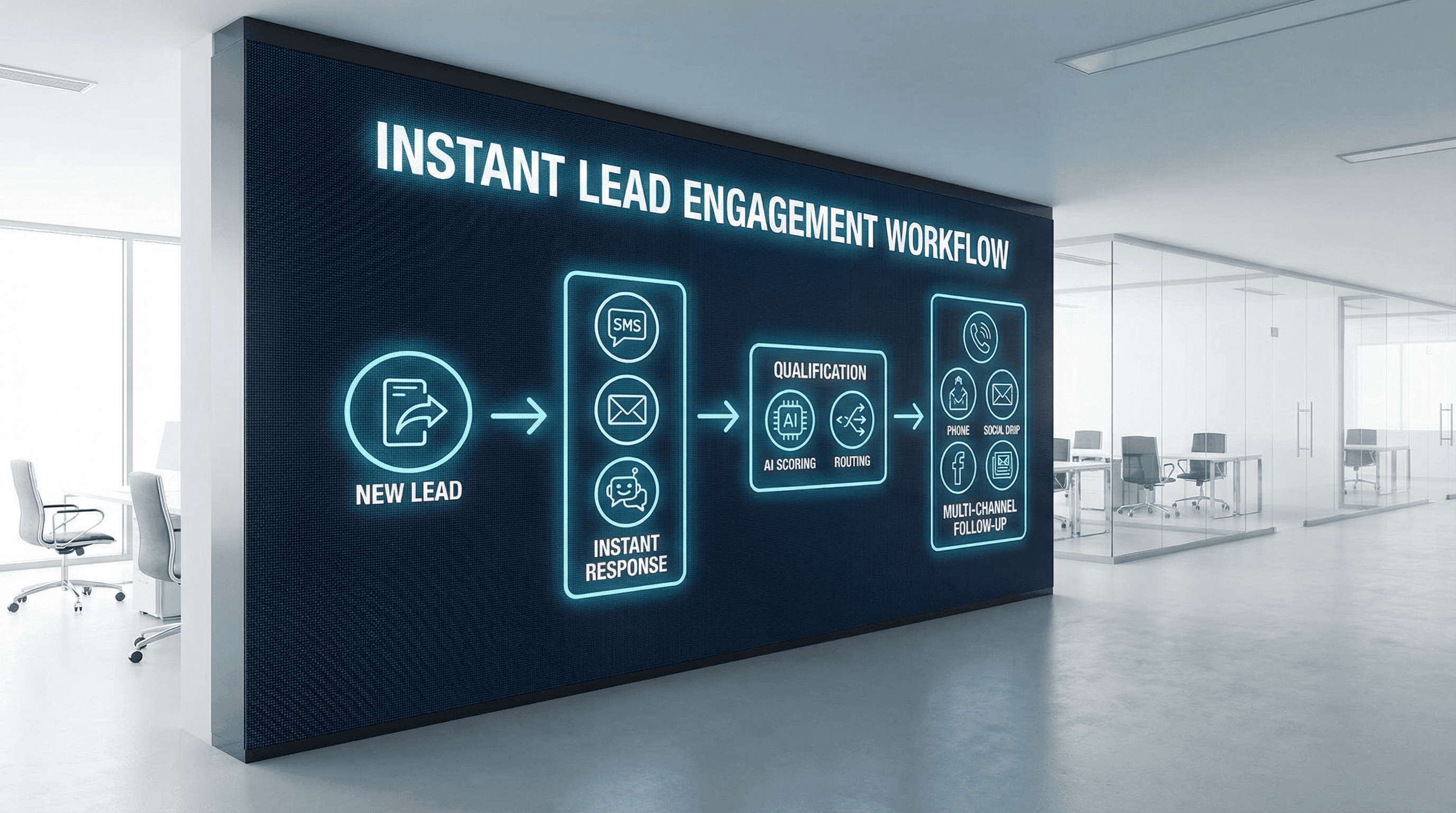
AI and automation solve the manual-sifting problem by turning intuition into repeatable systems: predictive lead scoring ranks likely buyers, behavioral analysis reads intent signals, automated CRM updates keep records current, and engagement tracking maintains a live score so sales act only when it matters. Together, they move qualification from an ad hoc task into an operational pipeline that scales without burning out your team.
Freeing Up Your Team for High-Value Work
Pattern recognition explains why this matters: repetitive qualification tasks consistently steal time from selling. By assigning intake, basic qualification, enrichment, and scheduling to software agents, humans reclaim judgment work that requires empathy and strategy. A conversational agent can ask two binary questions, enrich the record with firmographic data, and either schedule a discovery slot or route the lead into a tailored nurture stream, while an account manager agent monitors score changes and prompts a human when nuance is needed. That setup reduces follow-up noise and preserves energy for relationship-building and complex negotiations.
How Exactly Does Predictive Lead Scoring Make Decisions?
Predictive models ingest structured fields and behavioral signals and output a real-time probability that a lead will convert. Models weigh sources differently, so a CTO opening a proposal email and then visiting a pricing PDF carries more weight than a single content download.
Precision Scoring for Quality Leads
Good practice separates demographic fit from activity score, enforces time decay on signals so old clicks fade, and caps repeat-event points to avoid gaming. The net effect is a prioritized queue in which high-potential leads are surfaced immediately, while borderline contacts are routed to automated nurturing.
What Does Behavioral Analysis Track, and Why Does It Matter?
Behavioral analysis aggregates cross-channel events, not just email opens. It analyzes:
Session depth
Repeat visits
Social mentions
Engagement cadence to infer readiness
From Intent to Action
When the system detects an abrupt uptick in interactions across two channels within 48 hours, it escalates the account and creates a task for sales with context: which assets were consumed, which pages were visited, and the sequence of touchpoints. That context eliminates guesswork, reduces human error in outreach, and shortens the time between intent and contact. Most teams manage early contact manually because it feels quick and requires no new tools. As intake volume grows, response times lengthen, context fragments across inboxes, and opportunities cool before anyone notices.
Real-Time Agentic Handoffs
Platforms like AI Acquisition shift that work to agentic, no-code agents that run scoring, book meetings, and push clean updates into the CRM, compressing handoff cycles into near real-time while keeping a full audit trail.
The Real-World Impact of AI on Qualification
Automation tools have reduced lead qualification time by 40%, according to Salaria Sales, explaining why response windows shrink when routine triage is automated and removed from manual workflows. At the same time, companies using AI for lead qualification report a 25% increase in conversion rates, demonstrating that faster routing and smarter prioritization directly improve pipeline efficiency and overall sales performance.
These outcomes are measurable, not vague:
You can track time-to-first-contact
Lead-to-opportunity conversion
Win rates before and after agent rollout to quantify impact
How Do Agents Reduce Errors and Improve Signal Quality?
Agents enforce validation rules at intake, automatically enrich incomplete records, and flag inconsistencies for human review. That prevents common failure modes, such as:
Stale contact details
Missing decision-role data
Duplicate records clutter the CRM
Agents also monitor engagement decay and remove stale leads from active queues, preventing repeat outreach that damages brand perception. The result is cleaner data, fewer false positives, and more reliable forecasting.
How Should Teams Govern and Tune Automated Qualification?
Treat models and thresholds like production code: version them, log changes, and run weekly checks for precision and false positive drift. Set operational SLAs, for example, a two-hour SLA for sales follow-up on high-score leads and a 72-hour SLA for reviewing flagged anomalies. If false positives exceed a defined tolerance, tighten score thresholds or add a verification touch before human handoff. These governance rituals keep automation accountable and maintain trust between marketing and sales.
The Qualification Control Room
A practical visual: think of qualification as a control room rather than a suggestion box. Agents monitor multiple meters, raise alarms when criteria are met, and hand the most urgent signals to humans with full context. That reduces wasted effort, improves conversion, and gives leaders a predictable lever for pipeline velocity. The frustrating part? There is an operational wrinkle that most teams miss, which changes everything about rollout and adoption.
Related Reading
AI Sales Prospecting Tools
AI Tools For B2B Marketing
AI For Sales Calls
Lead Qualification Strategies
Automate Lead Qualification and Grow Your Pipeline with AI
You deserve a pipeline that rewards the time you spend selling, not sifting. Tired of chasing low-quality leads and wasting hours on manual qualification? AI Acquisition gives you a free AI Growth Consultant that handles lead qualification, scoring, and prioritization 24/7—so your team can focus on high-value opportunities that actually convert.
Automate lead scoring and qualification using AI-powered insights.
Book meetings and follow up with prospects without lifting a finger.
Scale your sales efforts instantly while maintaining human-quality interactions.
Join 1,200+ entrepreneurs who are using AI Acquisition to fill their pipeline, close more deals, and grow revenue. Get your free AI growth consultant today and start turning leads into results, no guesswork, just smarter sales.