Marketing in the B2B world is fast, competitive, and constantly evolving, and keeping up can feel like juggling a dozen tools at once. That’s where AI comes in. The right AI tools can save hours, uncover hidden opportunities, and drive real results without the guesswork. Want to stop wasting time and turn marketing automation into a measurable pipeline and revenue? This article will help you discover and use the most effective AI tools that streamline B2B marketing, generate real leads, and boost revenue without wasted time or effort. In this guide, we’ve rounded up 20 of the best AI tools for B2B marketing, so you can streamline your strategy, generate more leads, and boost ROI without getting lost in a tech rabbit hole.
To make that possible, AI Acquisition's AI automation software packages campaign optimization, content generation, email outreach, chatbots, CRM integration, and analytics dashboards into simple workflows so your team spends less time on busy work and more time closing deals.
Summary
AI adoption is now mainstream among B2B marketers, with 75% reporting current use of AI tools in 2025, signaling a shift from niche experiments to table-stakes capabilities.
Performance gains are measurable, as 60% of B2B companies reported increased lead generation after implementing AI tools, and other studies tie AI-driven marketing to roughly 30% higher revenue.
Traditional manual workflows break down as volume grows, with teams reporting that error rates and opportunity friction spike once prospect lists exceed about 100 contacts.
Follow-up and cadence collapse quickly in manual systems, with outreach often derailing after the third touch, and 90-day audits flagging process entropy as the dominant bottleneck.
Short, focused pilots deliver clarity, for example, training on six months of CRM history and routing the top 10% of propensity scores to high-touch reps during a two-week test to track lead-to-opportunity lift.
AI Acquisition's AI automation software addresses this by packaging campaign optimization, content generation, email outreach, chatbots, CRM integration, and analytics into agentic, no-code workflows that reduce busywork and preserve prospecting context.
Table of Contents
Why B2B Marketers Need AI Tools Today
Scaling campaigns, personalizing content, analyzing leads, and squeezing more ROI out of every dollar are becoming increasingly difficult, and the cost of standing still is real: slower lead velocity, missed deals, and wasted staff hours. According to the 2025 State of B2B Marketing report by Surfer, 75% of B2B marketers are already using AI tools to enhance their marketing strategies, signaling that AI adoption has moved from a niche advantage to a table-stakes capability for modern B2B teams.
Why Does Getting This Wrong Cost You Measurable Growth?
When teams rely on spreadsheets, manual tagging, and copy-and-paste personalization, two things happen: throughput collapses and quality fragments. The same accounts that look “handled” on paper go cold because follow-up windows slip, messages feel generic, and analytics are noisy. That pattern holds consistently across small agencies and solo founders over a single quarter: outreach cadence declines after the third touch, and engagement declines even as effort increases.
Turning Adoption into ROI
Adoption pays off in measurable ways. A 2025 report from Surfer SEO found that 60% of B2B companies reported increased lead generation after implementing AI tools, indicating that AI adoption often translates directly into a stronger, more productive pipeline.
What’s the Familiar Way Teams Operate Now, and Why Does It Break?
Most teams handle segmentation and personalization by copying lists, juggling templates, and hand-editing subject lines because it feels safe and requires no new skills. This works until you cross roughly 100 prospects, at which point errors multiply: duplicate outreach, mismatched messaging, and long response lag. The hidden cost is not sloppy work; it is opportunity friction, the invisible minutes and missed windows that compound into lost deals and burned trust.
How Does the Operational View of AI Change That Tradeoff?
Manual systems are predictable and low risk, which is why teams use them. Then consider the illogic: as volume and buyer complexity increase, those same systems create exponential drag. Platforms like AI Acquisition offer an alternative approach, where agentic, no-code AIs run 24/7 to capture leads, personalize outreach, and maintain context across channels.
Moving to Multi-Agent Workflows
Teams find that centralizing tasks with multi-agent workflows, for example, an AI website creator paired with a cold email campaign agent and LinkedIn growth engines, shifts work from repetitive edits to strategic decisions, compressing routine cycles from days to hours while preserving audit trails and message consistency.
Defeating Process Entropy
When we audited several small agencies over a 90-day sprint, the dominant bottleneck was not creative talent; it was process entropy: repeated manual handoffs produced version drift and stalled follow-ups. That pattern taught us a simple rule: automation must behave like a competent teammate, not a tool that needs babysitting. Treat AI tools for B2B marketing as an operational growth system that links data sources, sets clear objectives, and enables autonomous AIs to handle repetitive tasks so human experts can focus on the judgment calls that drive ARR.
Defeating Process Entropy
Swapping a stack of templates and calendars for coordinated, always-on agents is not a marginal efficiency; it is moving from rowing to having a steady engine. The emotional payoff is immediate relief from the endless, chronic busywork and the confidence that your outreach actually reaches decision-makers who close. That surface change is powerful, but what most teams miss next is the choreography required to make it predictable and repeatable. The frustrating part? This isn't even the hardest piece to figure out.
Related Reading
How to Use AI in B2B Marketing (8 Ideas and Techniques)
1. How Do I Generate Channel-Ready Content Without Losing Quality?
Set a 3-step content pipeline:
Draft generation
Conversion polishing
Use a topical brief extractor (feed your best-performing posts, competitor headlines, and page analytics) to create a prompt, then generate a long-form draft, and finally run an editing agent that enforces voice, facts, and CTA structure.
Value: You reduce creative start friction and keep messaging consistent across blog, LinkedIn, and email sequences.
Quick experiment: Pick one pillar topic, feed 3 top-performing assets into an LLM prompt recipe, generate a 1,200-word draft, then run a fact-check + SEO pass. Publish the draft and measure time-to-publish and engagement versus your previous average.
Mini case: When teams run this sequence for a single campaign, they often move from scattered drafts to a repeatable flow where one brief yields blog, social posts, and an email drip without rewriting.
2. How Can You Score Leads So Reps Only Touch the Hottest Opportunities?
Train a supervised model on your CRM history using features like:
Company size
Pages visited
Sequence activity
Firmographic signals
Convert the model output into a tiered routing rule: immediate SDR follow-up for the top tier, a nurture flow for the mid tier, and retargeting for the low tier.
Value: You increase rep focus, shorten the sales lifecycle, and reduce wasted touches.
Quick experiment: Pull 6 months of closed-won vs lost records, train a simple model in a no-code tool that outputs a 0-100 propensity score, and test routing the top 10% of scores to a high-touch rep for two weeks. Track conversion and response time.
KPI to watch: Lead-to-opportunity rate for top decile.
3. How Do You Personalize Journeys at Scale Without Manual Rules?
Replace brittle rule trees with an orchestration layer that reads a lead’s profile and assigns a dynamic persona tag. The tag drives:
Content selection
Email copy variants
A landing page template variant in real-time
Value: You keep messages relevant across multiple stakeholders, improving engagement without exponentially more content.
Quick experiment: Create two persona tags (technical champion, procurement), map three pieces of content per persona, and serve persona-specific email sequences for a small ABM list for 30 days. Measure open-to-demo and meeting rates.
4. How Do Predictive Analytics Change Campaign Planning?
Build short-horizon forecasts with rolling-window models that predict pipeline volume by product and channel for the next 30 to 90 days.
Use those forecasts to:
Set ad spend ceilings
Allocate SDR time
Set promotion cadence
Value: You spend before demand drops and pull back before overspending, turning marketing from guesswork into execution with guardrails.
Quick experiment: Run a 60-day forecast using the last 12 months of campaign conversion rates, compare predicted pipeline to actuals, and iterate hyperparameters until error margins are acceptable for budgeting.
5. How Can You Optimize Email Performance Without Endless A/B Tests?
Use multi-armed bandit-style testing for subject lines and send times, combined with an agent that rewrites underperforming sequences after a three-touch review.
Automate micro-optimizations so the system tests and shifts winners in near-real-time.
Value: You get continuous lift and avoid frozen campaigns that underperform as audience behavior shifts.
Quick experiment: Convert one existing email sequence to bandit testing, let it run until a statistically significant winner emerges, then let an editing agent propose three improved variants for the next cycle.
6. How Should Chatbots Generate Qualified Meetings?
Design a two-stage conversational flow: intent capture followed by qualification.
Use language models to understand the nuances of the visitor’s role and needs, pull account-level signals, and surface a single, prioritized CTA:
Schedule
Request a demo
Download a tailored asset
Value: You convert passive browsers into scheduled conversations without human triage, and you preserve context for a seamless handoff.
Quick experiment: Deploy a chatbot on a product page with three qualifying questions, route qualified leads to calendar booking, and measure meetings booked per 1000 pageviews.
7. How Do You Segment Customers in a Way That Drives Targeted Action?
Use unsupervised clustering on combined behavioral and business features:
Visit path
Product usage signals
ARR band
Engagement depth
Validate clusters against conversion outcomes and map bespoke lifecycle plays to each cluster.
Value: You move from fuzzy audience buckets to cohorts with predictable responses, improving ROI on both paid and owned channels.
Quick experiment: Run clustering on a 3-month dataset, pick two high-value clusters, and launch tailored email sequences. Compare cluster lift to baseline.
8. How Do You Automate Workflows So Human Time Is Reserved for Judgment?
Identify the top three repetitive processes that cost the most time:
Follow-up sequencing
Asset routing.
Automate them with chained agents that enrich records, choose next-best action, and update CRM notes automatically.
Value: You reduce friction, eliminate manual copy-paste errors, and scale response windows without adding headcount.
Quick experiment: Automate enrichment for inbound leads for 30 days and measure change in time-to-first-action and lead qualification rate.
Beyond Manual Workflows
This pattern appears across small agencies and startups: manual data cleanups and social scheduling consume strategic bandwidth and fragment account context, leaving teams exhausted and reactive. As complexity grows, those familiar workflows create missed windows, inconsistent messaging, and longer sales cycles.
When "Familiar" Tools Stifle Growth
Most teams manage follow-ups and collateral in spreadsheets and ad hoc templates because the approach feels safe and requires no new tools, but as stakeholders multiply, the method breaks down:
Handoffs increase
Version drift occurs
Opportunity friction grows
Platforms like AI Acquisition provide an alternative path by deploying agentic, no-code AIs such as an AI Website Creator, Cold Email Campaign Agent, and LinkedIn growth engines, compressing routine cycles from days to hours while keeping full context and audit trails.
A Practical Rollout Plan You Can Run This Quarter
Week 1: Pick one high-friction workflow and map every touchpoint and failing moment.
Week 2: Swap manual steps for agents, keep humans for exceptions, and set a single KPI for the pilot.
Week 3-4: Measure time saved, conversion lift, and error reduction, then iterate with tighter decision rules.
What to Track
Time-to-action, top-decile lead conversion, content-to-lead velocity, and human-hours reclaimed. It’s exhausting when your team is drowning in maintenance work instead of growing a pipeline, but moving a single workflow to agentic automation reorients weeks of effort into measurable outcomes. That change helps, but the real test is choosing the tools and patterns that sustain momentum rather than break it.
Related Reading
20 Best AI Tools For B2B Marketing
1. AI Acquisition
No-code multi-agent platform that automates lead capture, outreach, and back-office tasks.
Primary benefit: Pipeline automation and predictable revenue.
Why it helps: Agentic workflows run 24/7 to keep follow-up windows tight, route leads, and free humans for judgment tasks, which makes it practical for solo founders and small agencies to scale without hiring dozens of specialists.
2. ChatGPT: The Swiss Army Knife of AI Marketing Tools
General-purpose LLM for drafting, brainstorming, data parsing, and process automation.
Primary benefit: Content creation and rapid iteration across marketing touchpoints.
Why it helps: Use prompts as templates for repeatable outputs, then chain those outputs into downstream automation for email sequences, landing page copy, or A/B test variants. Expect to invest in prompt design; the tool rewards structure.
3. Grammarly
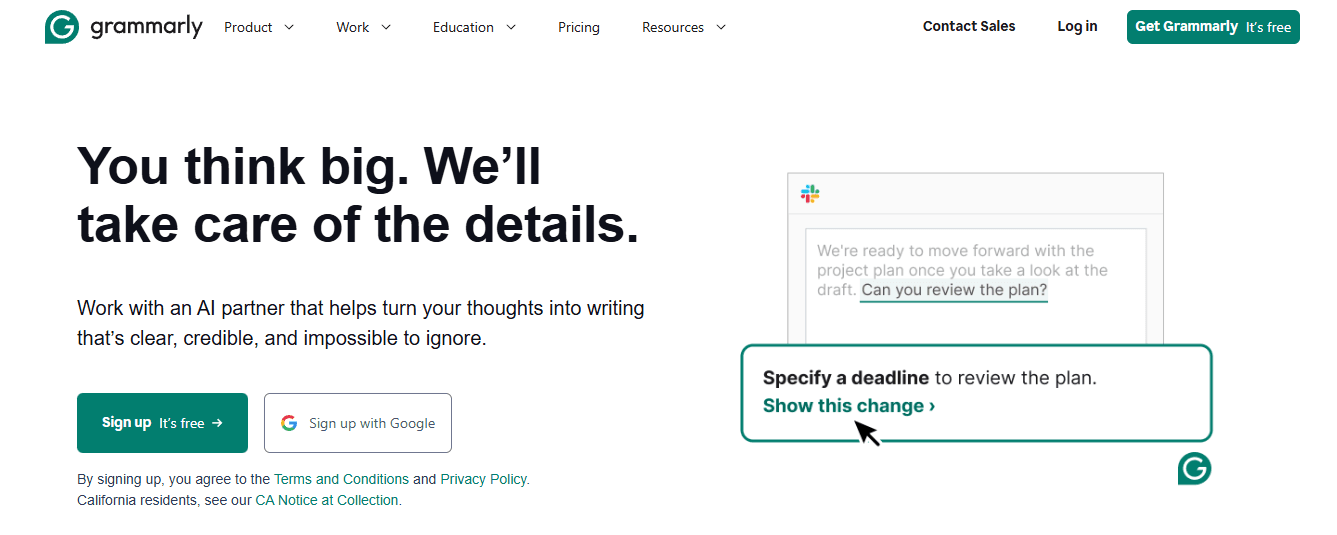
Writing assistant that corrects grammar, enforces tone, and supplies audience-aware suggestions.
Primary benefit: Faster, cleaner marketing copy across channels.
Why it helps: Integrates with apps and browsers, enabling teams to publish polished content without additional review cycles. However, you must validate technical terms and proper nouns before finalizing.
4. Surfer SEO
Combines on-page SEO guidance with an AI writing assistant and content planning tools.
Primary benefit: SEO-aligned content that reduces guesswork in keywords and structure.
Why it helps: Use its Content Editor and Topic Explorer to map pages to intent, then export structured briefs that your writers or LLMs follow for consistent search performance.
5. AdCreative.ai
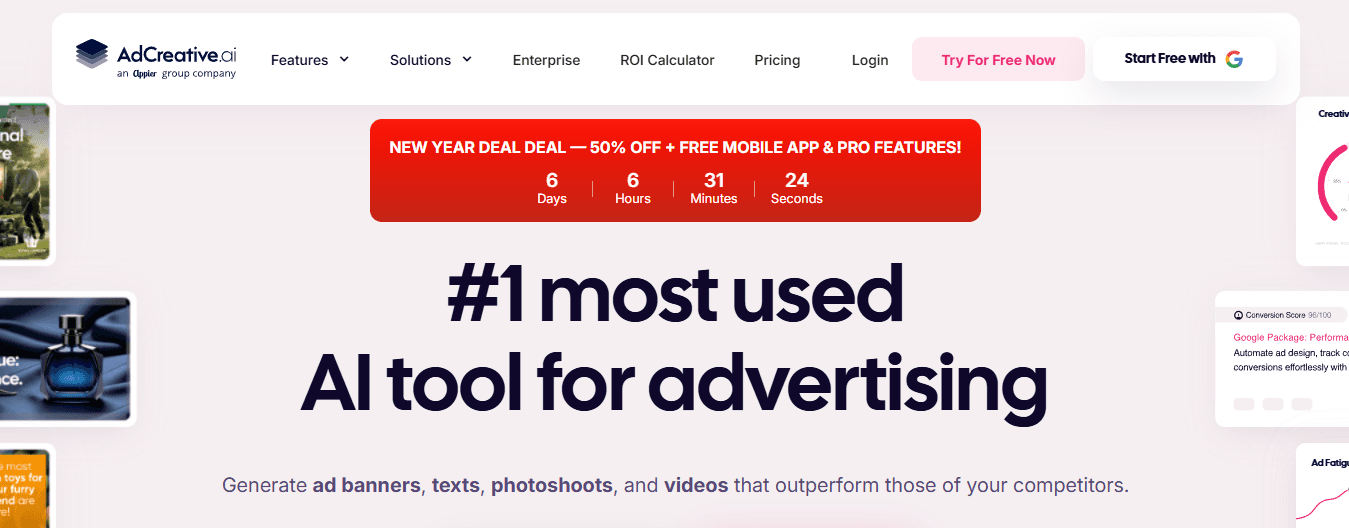
AI-driven creative generator and conversion scoring for digital ads.
Primary benefit: Faster ad creative iterations and copy testing.
Why it helps: Generates multiple creative and copy variations tied to conversion heuristics so you can test faster; pair it with your ad manager and run creative bandit tests to find early winners.
6. Synthesia
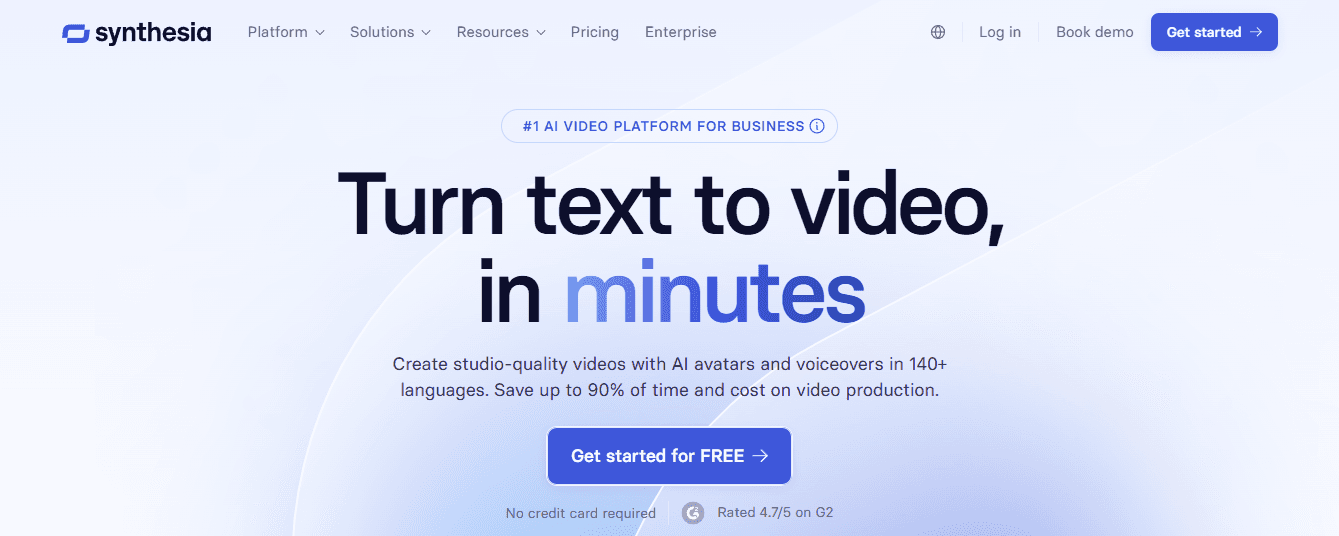
Text-to-video platform using AI avatars and multilingual voice synthesis.
Primary benefit: Rapid production of explainer and product videos without filming.
Why it helps: Turn long-form content or technical docs into short, shareable videos for nurture sequences; accept that authenticity limits may require occasional human-shot hero content.
7. HeyGen
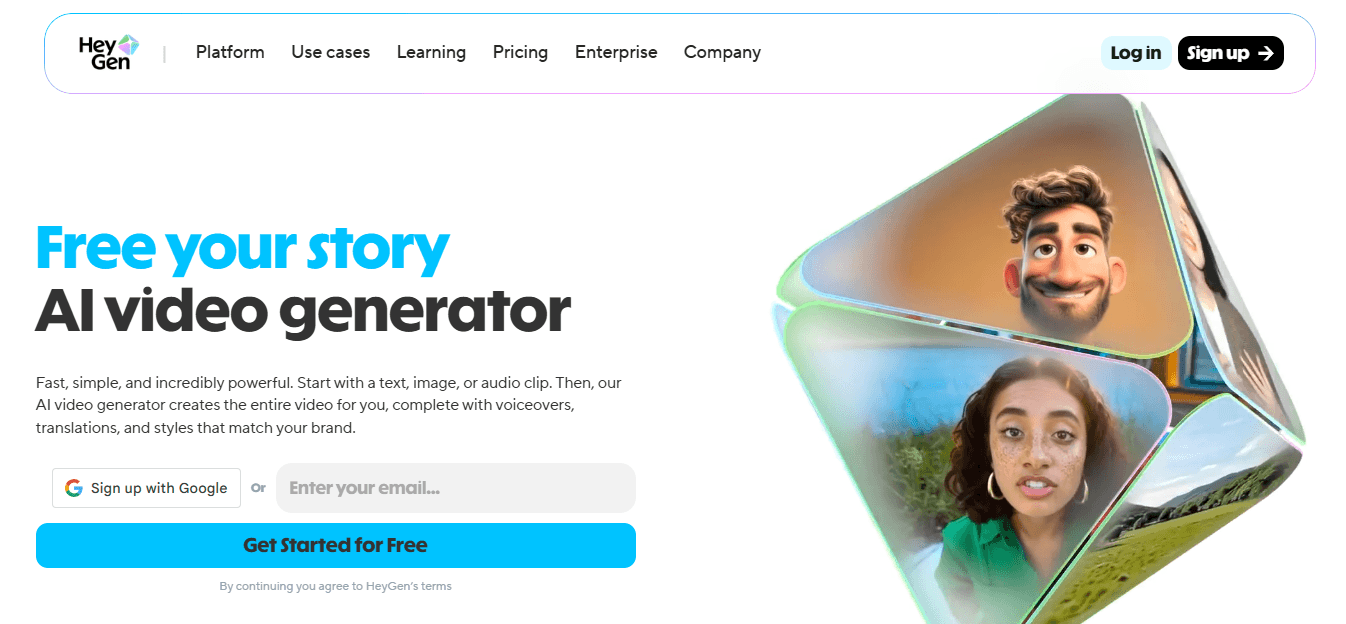
Personalized AI video creation tailored for sales outreach.
Primary benefit: Scalable, personalized video for one-to-one engagement.
Why it helps: Use short voice samples and URL-driven templates to create prospect-specific messages that increase open and reply rates in outreach cadences.
8. HubSpot AI
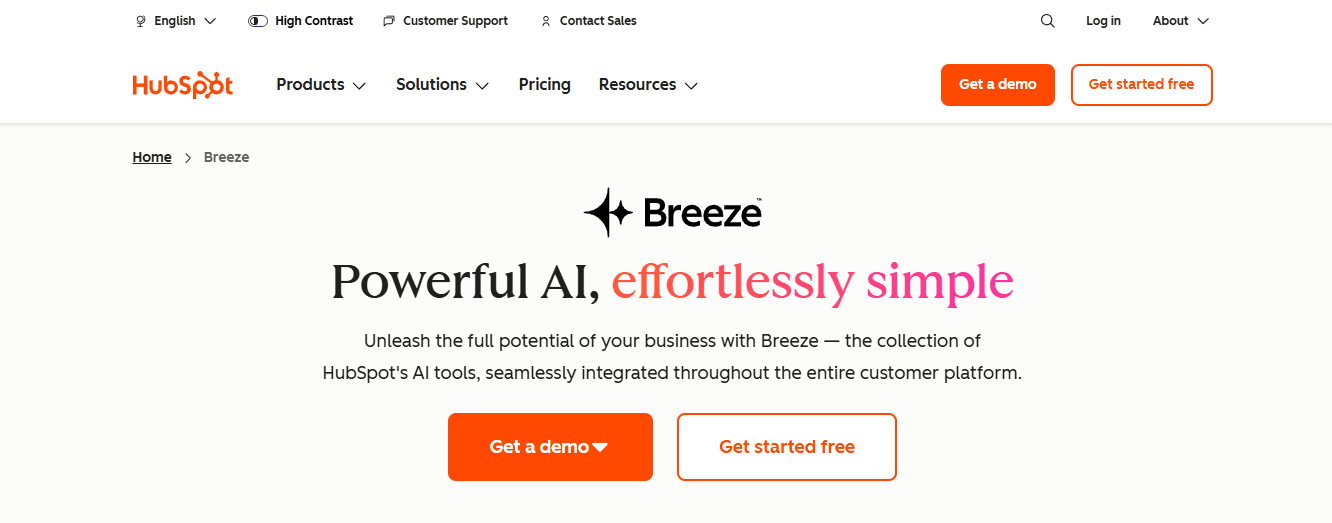
AI features are embedded into an all-in-one CRM and marketing platform.
Primary benefit: Automated campaign scaffolding and CRM-connected personalization.
Why it helps: Its Email Writer and Campaign Assistant accelerate execution because outputs are already tied to CRM data and workflows; expect a learning curve to unlock advanced automations.
9. Jasper
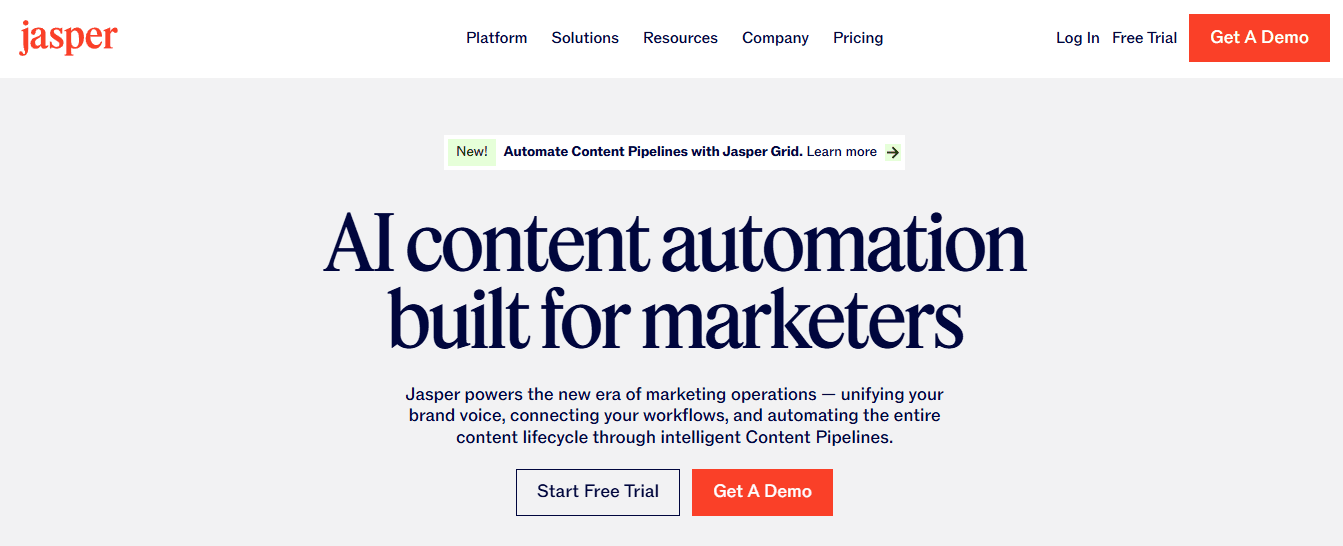
Template-first generative copy platform with brand control and workflow apps.
Primary benefit: Rapid, consistent content across emails, social, and landing pages.
Why it helps: Templates reduce prompt friction and quickly produce usable drafts, ideal when you want a consistent tone and structure across campaigns.
10. Keyplay
AI-driven target account list builder and scorer focused on ICP discovery.
Primary benefit: More accurate account selection for ABM and outbound.
Why it helps: Build lookalike lists and custom scoring models to prioritize accounts with higher conversion likelihood; exportable lists feed directly into outreach automation.
Why Single-Purpose Stacks Fail as You Scale
Most teams stitch together point tools because each feels useful on its own, and that familiarity lowers risk. As volume and stakeholder count increase, context fragments across apps, manual handoffs multiply, and follow-ups slip through the cracks. Platforms that coordinate agents to maintain context and automate routing reduce that friction, turning scattered tools into a single operational system that:
Preserves audit trails
Keeps conversion windows open
11. Seamless.AI
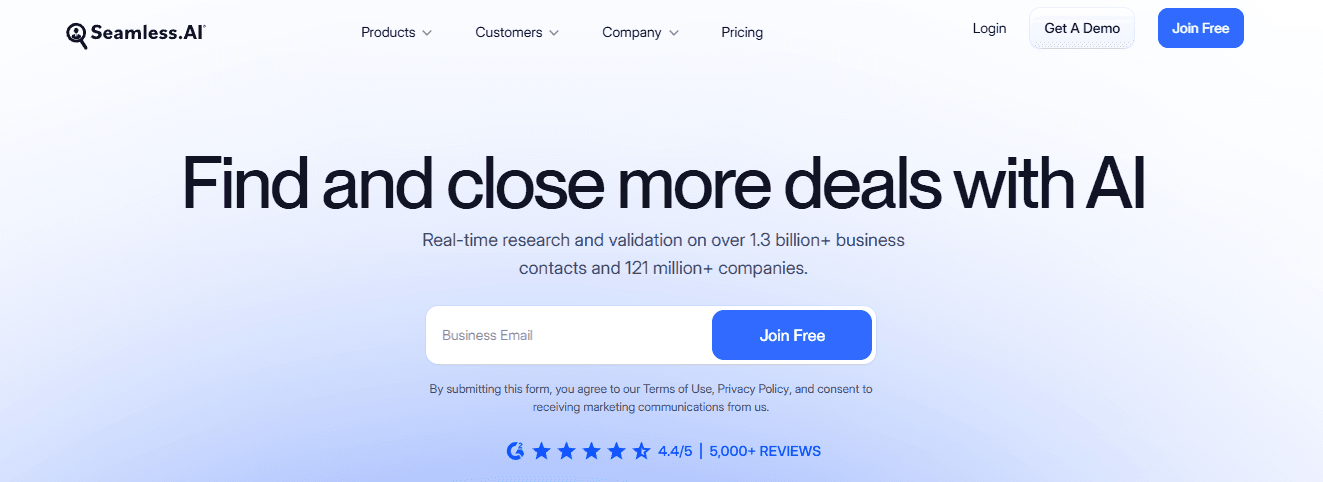
Real-time contact and company data with an AI prospecting writer.
Primary benefit: Cleaner contact lists and faster outreach prep.
Why it helps: Enrich inbound and outbound lists automatically and pair them with templated messaging for faster SDR execution.
12. Zapier
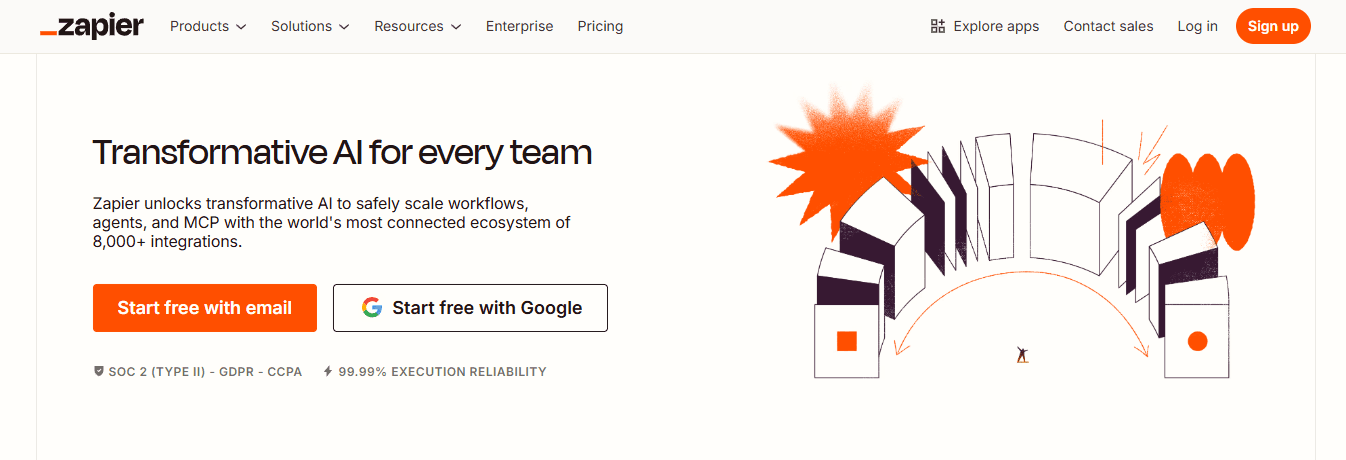
No-code automation to connect SaaS tools and automate workflows.
Primary benefit: Eliminates manual handoffs across apps.
Why it helps: Use it to chain triggers and actions so data captured in one system updates records elsewhere without copy-paste, but keep an eye on complex Zaps that can break and require maintenance.
13. Chatfuel
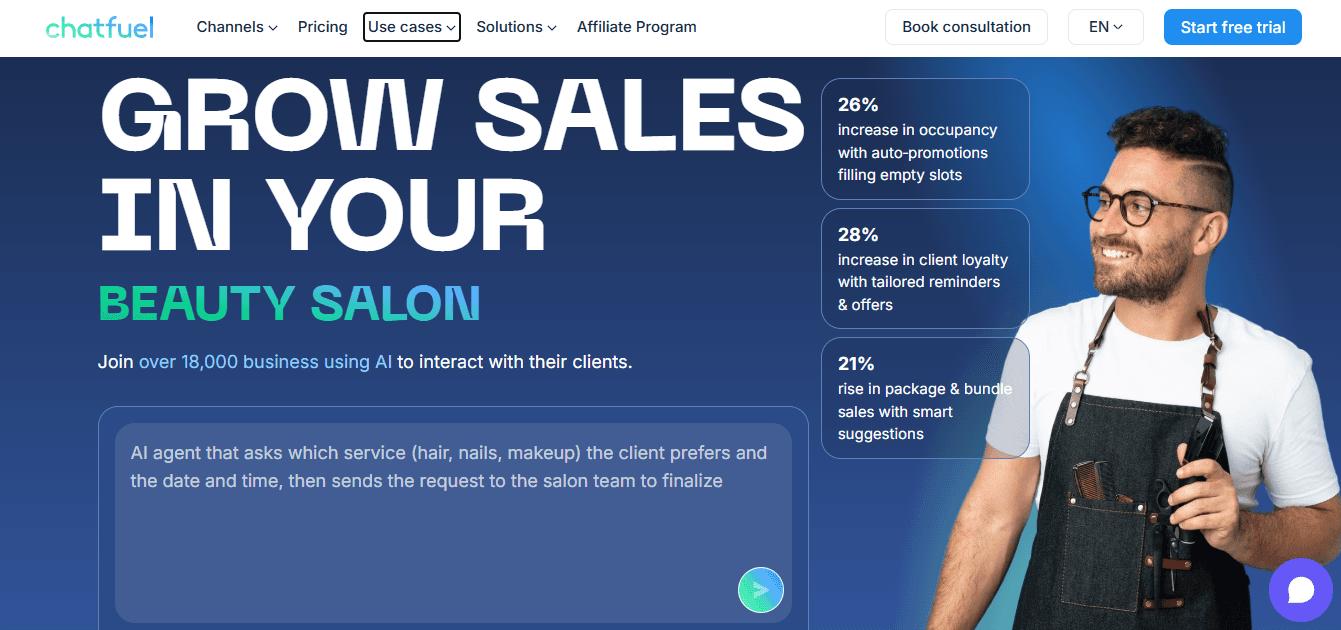
No-code chatbot builder for messaging platforms.
Primary benefit: Lead capture and simple qualification at scale.
Why it helps: Deploy conversational flows for social channels to capture leads and segment audiences before handing them to CRM or sequence tools; expect some setup complexity with advanced flows.
14. Botsonic
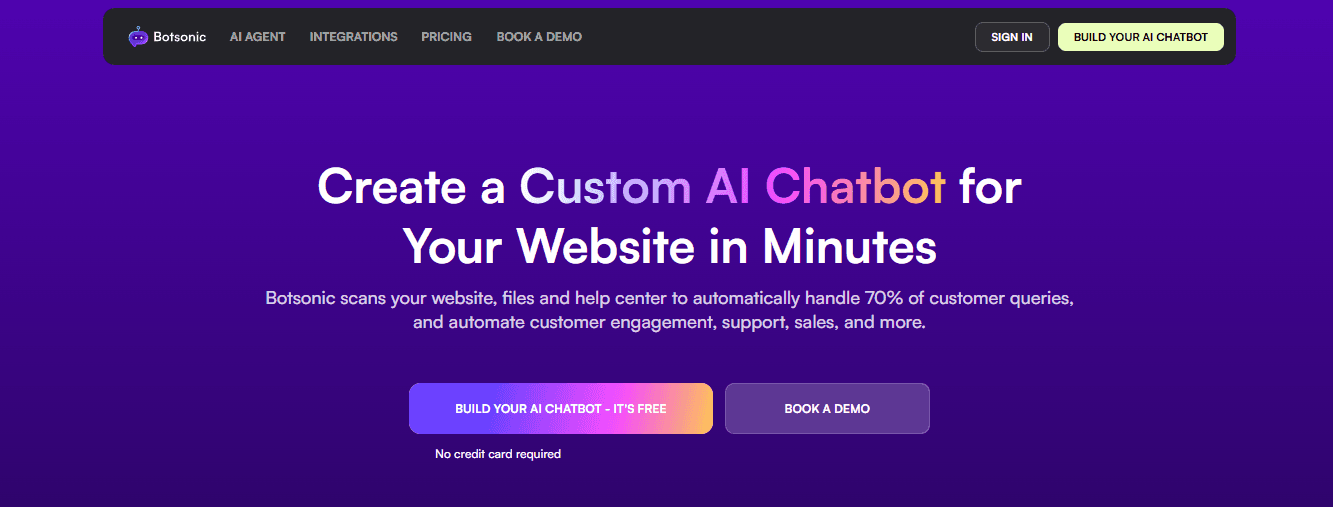
GPT-powered chatbot platform with intent recognition and multichannel support.
Primary benefit: Smarter inbound qualification and self-serve support.
Why it helps: Use it on product pages to route qualified visitors to the right play, while conserving SDR time for high-value conversations.
15. Drift (Now Part of Salesloft)
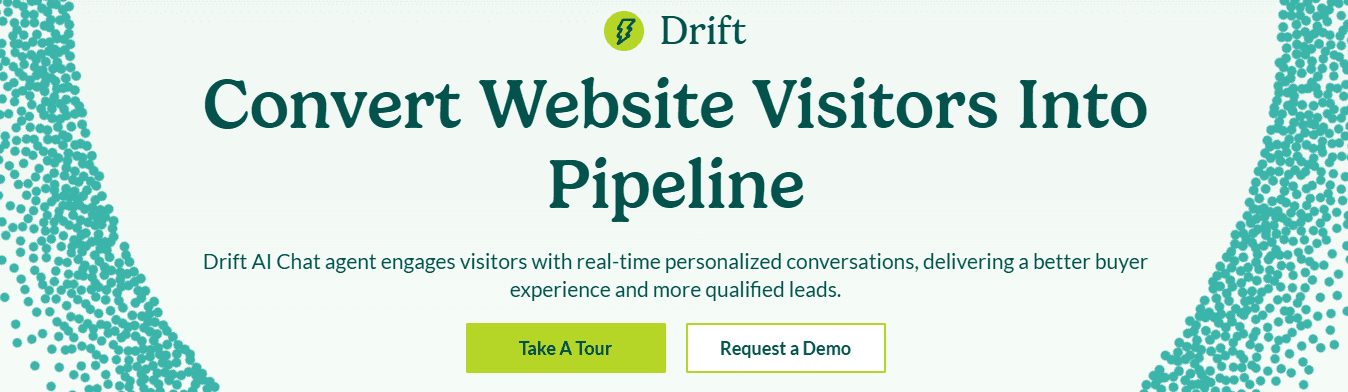
Conversational marketing platform combining chat, email, and meeting routing.
Primary benefit: Real-time qualification and meeting conversion.
Why it helps: High-intent web visitors convert to meetings faster when chat captures context and schedules directly into reps’ calendars, reducing friction in the handoff.
16. Tidio
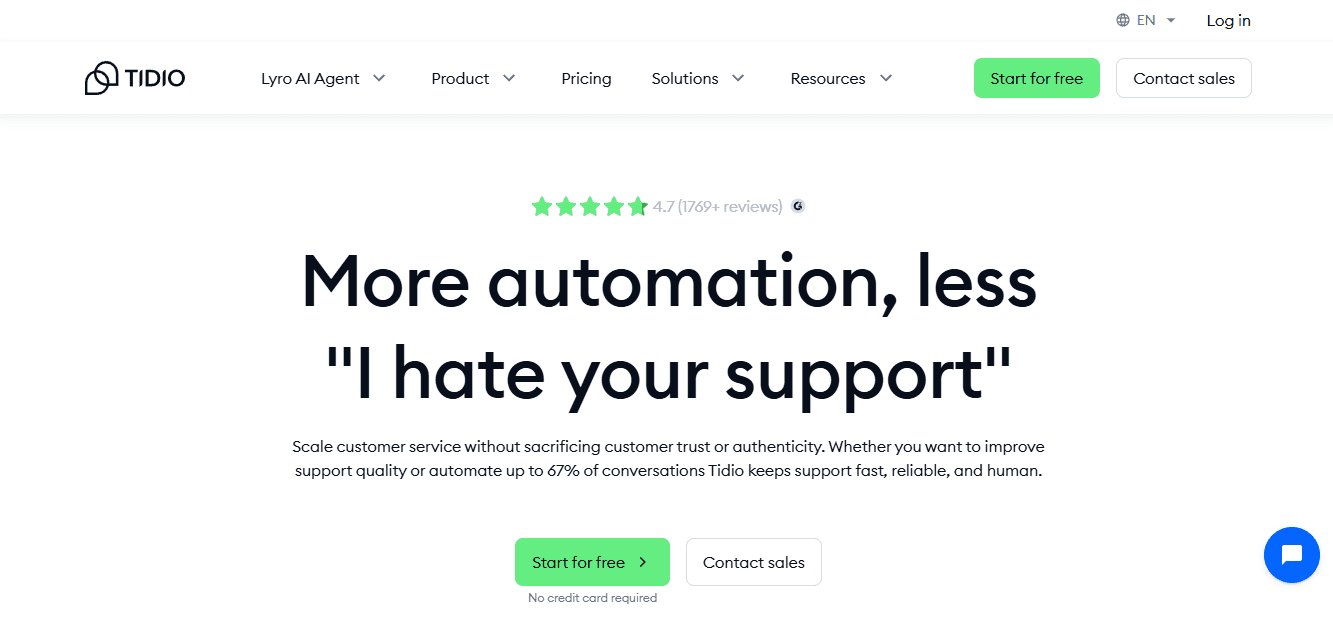
Live chat and AI chatbot suite for SMBs, with integrations with email and social media.
Primary benefit: Affordable, always-on customer engagement.
Why it helps: A lightweight way to respond quickly, capture leads, and trigger automations without a large tech investment, ideal for lean teams.
17. Gemini
Multimodal AI model for text, vision, and extended context tasks.
Primary benefit: Advanced content summarization and image-aware workflows.
Why it helps: Use it to analyze visual assets or product screenshots and generate contextual content or insights that feed into campaigns.
18. Salesforce Einstein
AI features are embedded into Salesforce for lead scoring and prediction.
Primary benefit: Data-driven prioritization within your CRM.
Why it helps: Use Einstein to surface next best actions and predict lead likelihood, then route top-scoring leads into rapid outreach sequences.
19. Cognism
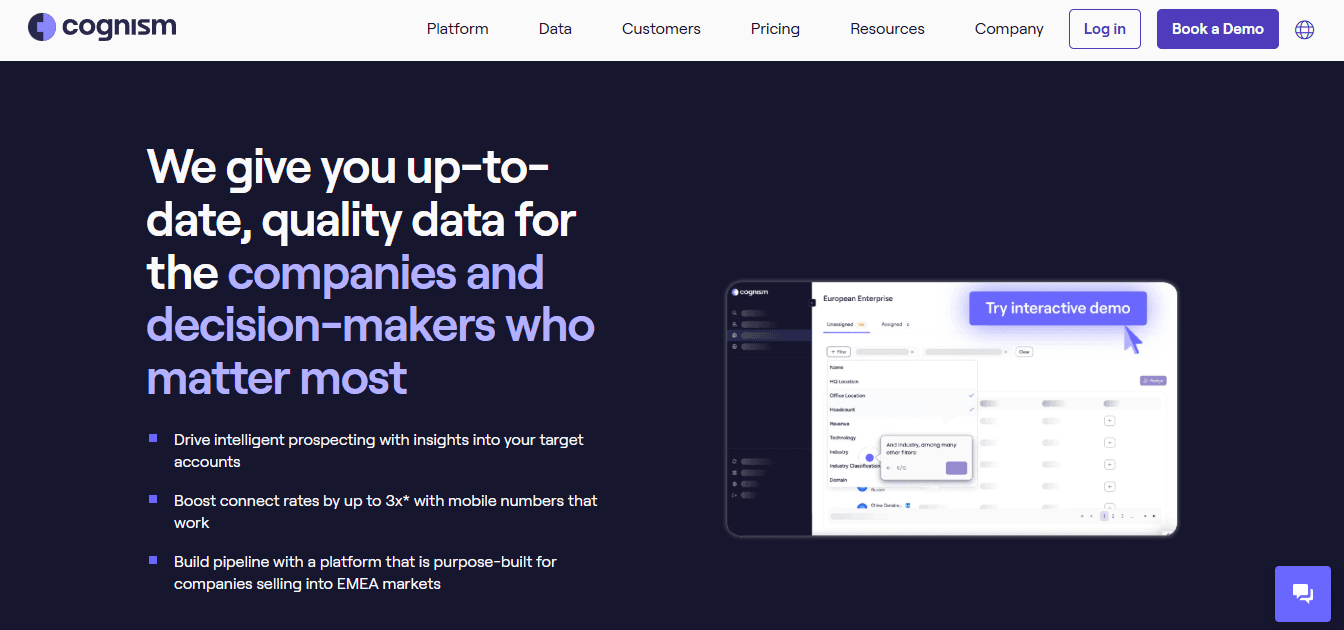
Compliant B2B data with intent signals and browser enrichment.
Primary benefit: Higher-quality prospect data and European coverage.
Why it helps: Push verified contacts into your CRM and power targeted outbound with stronger phone and direct-dial coverage, while preserving compliance.
20. UserLed
Multi-channel ABM experimentation platform that personalizes across ads, email, and sales outreach.
Primary benefit: Fast experiments in 1:1 personalization without enterprise complexity.
Why it helps: Run small ABM tests that coordinate messaging across channels to validate which persona or offer moves the pipeline before scaling.
How to Pick the First Two Tools to Pilot?
If your bottleneck is content velocity, pair a template-driven writer such as Jasper or ChatGPT with Surfer SEO to keep drafts aligned with search intent. If you struggle with contact quality and routing, combine a data provider such as Cognism or Seamless.AI with Zapier or your automation platform to enable fast handoffs.
A Final Operational Note on Tool Sprawl and Subscriptions
This pattern appears across agencies and startups: multiple point solutions create management overhead that cancels out gains. When tools do not share a persistent context, your team spends hours reconciling data instead of optimizing messaging. That is why consolidating agentic workflows into a single, no-code orchestration layer is often the step that turns AI from a collection of shortcuts into a reproducible growth machine. That’s the list. What you try first will reshape the rest of your stack. The next piece shows how to get a dedicated AI growth advisor to map that plan in minutes, not weeks.
Get Free Access to an AI Growth Consultant Built for B2B Marketing
If you're carrying the daily mental load of dozens of small outreach decisions, as in my work with small teams, that friction reliably chips away at response rates and leaves pipelines erratic.
From Individual Tools to Agent-Centric Systems
Choosing the right AI tools for B2B marketing isn’t just about automation; it’s about building a system that consistently generates pipeline, qualifies leads, and supports revenue growth. AI Acquisition helps B2B teams do exactly that with an all-in-one, agent-centric platform that automates lead generation, sales outreach, and operational workflows.
From Individual Tools to Agent-Centric Systems
Join 1,200+ entrepreneurs and B2B teams using AI Acquisition to deploy a digital workforce of AI agents that work 24/7 to research prospects, fill pipelines, book meetings, and support go-to-market execution. Customers using our platform average $18,105 in monthly revenue and have collectively generated $30M+ this year. Get free access to our AI Growth Consultant Agent and see how AI-driven strategy, execution, and optimization can replace guesswork with predictable growth without hiring large teams or juggling disconnected tools. Let's run a 7-day pilot with AI Acquisition, an AI tool for B2B marketing that uses agentic, no-code automation to take those micro-decisions off your plate, preserve context across prospecting and sales outreach, and let you spend time closing the deals that matter.
Related Reading
AI Sales Prospecting Tools
AI Tools For B2B Marketing
AI For Sales Calls
Lead Qualification Strategies