You know the grind: writing dozens of cold emails, chasing leads, and repeating the same follow-up over and over while real opportunities slip through the cracks. How to use ChatGPT for sales shows practical ways to turn those repetitive tasks into smart workflows, using conversational AI for prospecting, email templates, objection handling, and CRM integration so your team spends more time selling. Want to spend less time on busy work and close more deals to boost revenue and run a leaner sales machine?
AI Acquisition’s AI automation software helps you do precisely that by plugging ChatGPT into your outreach, lead generation, and follow-up sequences with a simple setup and clear ROI. It produces personalized scripts, schedules follow-up, syncs with your CRM, and surfaces talking points so reps focus on closing.
Table of Contents
Summary
ChatGPT can dramatically reduce drafting overhead, with sales reps reporting a 30% reduction in time spent composing emails, freeing sellers to focus on higher-value conversations.
Automated qualification tightens the funnel, with research showing a 30% increase in lead qualification efficiency and studies suggesting response time can be reduced by about 50%, which helps keep prospects engaged.
Personalized outreach scales when prompts include 3 to 5 CRM signals, and industry tests show response rates can improve by up to 30% with AI-assisted cold outreach.
Operational pilots found that routing inbound leads through an AI triage flow reduced manual work by 30-60 minutes per lead by automatically collecting missing fields and proposing next steps.
Automating routine admin tasks yields measurable capacity gains, with some reports estimating up to 10 hours saved per sales rep per week through AI-enabled process automation.
Focused pilots and governance matter: teams that pick one high-friction flow, use tight metrics, and enforce human review see clearer wins, and 75% of sales teams using ChatGPT reported increased engagement rates.
AI Acquisition's AI automation software addresses this by plugging ChatGPT-style agents into outreach, lead generation, and follow-up sequences, syncing outputs with CRMs, scheduling follow-ups, and surfacing contextual talking points.
Why Use ChatGPT for Sales?
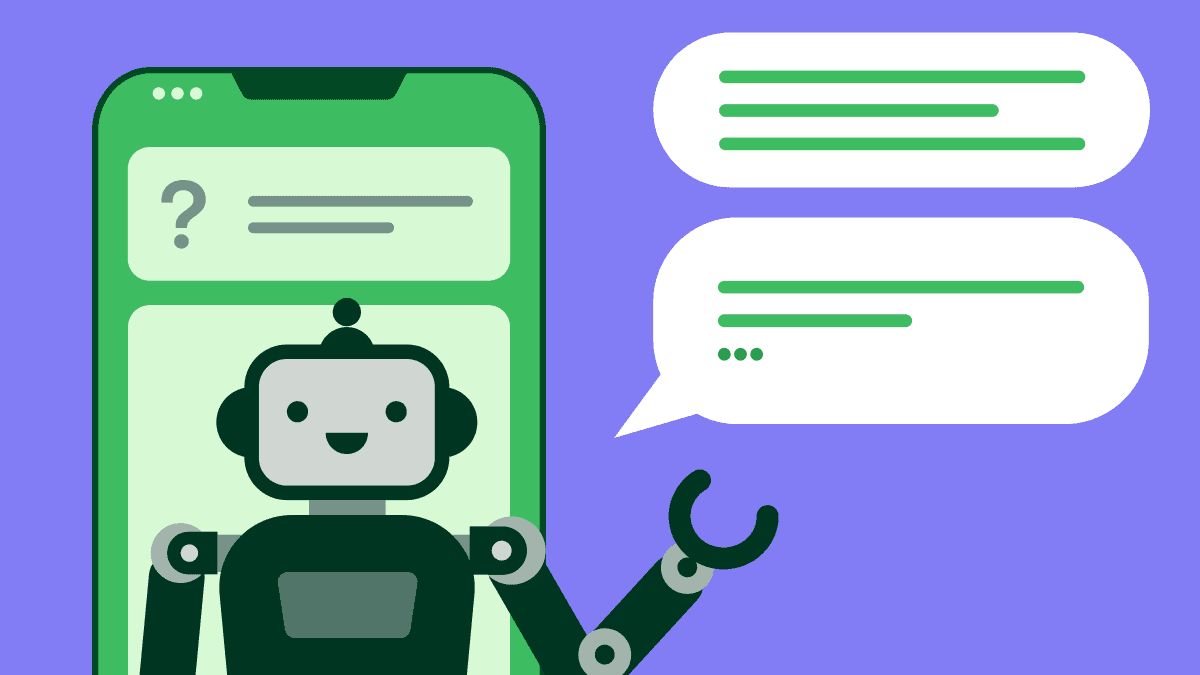
ChatGPT speeds sales by taking routine, repetitive work off your reps’ plates, personalizing outreach at scale, and giving teams instant, contextual answers so deals don’t stall. You get faster pipeline movement, higher-quality conversations, and consistent follow-up without adding headcount. ChatGPT is a language model developed by OpenAI. What this means is…
It predicts and assembles language from patterns it learned during training, so it can:
Draft emails
Summarize calls
Suggest next steps
Answer customer questions in natural language.
Actually, You Know What? Let’s Have ChatGPT Explain Itself to Us:
“I am ChatGPT, a large language model developed by OpenAI. I was trained on a massive amount of text data using a deep learning algorithm called the Transformer architecture. As a language model, my purpose is to understand and generate natural language, which means that I can carry out a wide range of tasks, such as answering questions, providing recommendations, and engaging in conversation on various topics.”
This is interesting, but it’s still a lot of tech speak for me. ChatGPT, can you explain this in simpler terms?
“Sure! I'm a computer program that has been trained to understand and generate language just like humans do. I've been trained on a lot of text data, which means that I've learned a lot about how words are used and how sentences are constructed. You can ask me questions or talk to me about anything, and I'll do my best to understand and respond in a way that makes sense.” Right now, ChatGPT is free. You can sign up here. OpenAI recently announced ChatGPT Plus, a $ 20-per-month subscription that gives users access during peak times and earlier access to new features and improvements.
What the Interface Looks and Feels Like
You type a prompt at the bottom, hit enter, and ChatGPT composes an answer in real time. Each response is part of the same conversation until you hit “new chat.” Every prompt you create stays in the left column for later retrieval, which makes iterative drafting and version control simple. The experience is intentionally conversational, so you refine messages by asking follow-up questions rather than rewriting prompts from scratch.
How Does ChatGPT Save Reps' Time?
It automates the low-value grunt work that consumes most of a rep’s calendar. Drafting a tailored cold email, writing follow-up sequences, generating meeting summaries, or pre-qualifying inbound inquiries can be delegated to ChatGPT templates and automations. That means your closest sellers spend more hours selling and fewer hours:
Copy-pasting
Scheduling
Chasing basic info
What About Lead Qualification and Conversion?
Research from First Page Sage’s 2025 ChatGPT usage findings shows that sales teams using ChatGPT have seen a 30% increase in lead-qualification efficiency, with automated triage tightening the qualification funnel and helping reps reach the right prospects faster. A 2025 DemandSage analysis of ChatGPT in sales suggests that using ChatGPT can reduce inbox-to-reply lag by roughly 50%, keeping prospects engaged while their interest is at its peak.
How does ChatGPT personalize outreach without sounding robotic?
Use context, not templates. Feed the model three to five signals that the CRM already collects, such as:
Company size
Industry
Recent product activity
An insight from the prospect’s LinkedIn profile
The model stitches those into unique, human-sounding lines that reference specifics rather than generic promises. That’s how you scale personalization without asking reps to write each line by hand.
How Does It Improve Customer Engagement and Response Quality?
ChatGPT delivers consistent, on-brand responses 24/7 and surfaces tailored next steps for the conversation. For example, after a support chat ends, it can draft a one-click follow-up that proposes a product demo, links to the most relevant case study, and creates a calendar invite with available times. That single workflow preserves momentum and reduces friction in multi-touch sales motions.
What Are Real Failure Modes and How Do You Mitigate Them?
AI handles patterns well and nuance poorly. This is a typical pattern across healthcare sales and B2B SaaS: AI reliably manages scheduling, standard qualification, and documentation, but struggles with domain-specific judgment calls and rapidly shifting contexts. The practical rule is this: let AI own routine triage and drafts, but gate critical judgment and final outreach through human review. This preserves quality while capturing the efficiency gains.
A Practical Example From Implementation
After running pilot automations for small agencies, the pattern became clear: routing inbound leads to an AI triage flow removed 30 to 60 minutes of manual work per lead by auto-collecting missing fields and proposing a next-step call. Reps then focused on higher-value objections and deal strategy during their conversations, not on administrative cleanup. That change felt like switching from a noisy filing room to a clean dashboard.
Status Quo Disruption: How Teams Usually Do Outreach, and Why It Breaks
Most teams manage cold outreach and follow-ups with manual templates, spreadsheets, and calendar juggling because these methods are easy to get started with. As volume grows, threads scatter, follow-up slips, and conversion declines. Teams find that platforms like AI Acquisition’s no-code growth OS embed ChatGPT-style agents into sequences and automations, centralizing personalization, scheduling, and pipeline updates. Hence, reps stop losing deals to slow responses and inconsistent messaging.
How to Use ChatGPT as a Real-Time Sales Assistant
Think of ChatGPT as a clerk, a copywriter, and an analyst all rolled into one. It drafts messages, summarizes interactions, and suggests the next move based on the CRM state. Integrate it into your workflow to draft personalized cold sequences, simulate objection-handling before a call, and auto-update pipeline stages after meetings. The job is to let the AI do repeatable tasks, then let your human sellers do the persuasive work that requires judgment and empathy.
What ChatGPT Can Do
It writes crisp outreach, generates tailored sequences, pre-qualifies prospects with rules-based prompts, drafts concise meeting notes, and powers 24/7 chat responses with contextual handoff to humans when needed. It keeps messaging consistent at scale, so every touch reflects your voice and value.
What ChatGPT Can’t Do
It should not be the final decision-maker on complicated deals, nuanced clinical questions, or legal commitments. It hallucinates when prompts lack constraints, and its answers depend on the inputs you give it. Treat it as an assistant that raises quality and speed, not as a replacement for human judgment in sensitive conversations.
A Brief Analogy to Make It Concrete
If your sales operation is a kitchen, ChatGPT is the prep cook. It peels, chops, and seasons so the head chef can plate the dish with care. If you let the prep cook run the pass alone, the plating suffers. Use AI to scale preparation while keeping the final craft human.
One Tactical Note About Trust and Adoption
Adoption fails when teams expect miracles and skip governance. Start with clear guardrails: approved templates, review checkpoints, and a simple escalation rule for anything that looks off. That keeps quality high while you harvest the speed and scale benefits.
Related Reading
How to Use ChatGPT for Sales to Supercharge Your Outreach
You can fold ChatGPT into every sales task by assigning it explicit roles:
Qualifier
Copywriter
Analyst
Coach
Assistant for follow-ups and meeting work
Qualifying Leads
Qualifying leads is the process of determining whether a potential customer fits your product-market fit, budget, decision timeline, and intent to buy.
How ChatGPT Helps
ChatGPT automates the screening conversation, collecting standard qualification fields and flagging high-intent signals so your reps only handle the opportunities that matter.
How to Use
Create a decision tree of required fields (e.g., company size, budget range, timeline, use case).
Feed that logic into ChatGPT and connect it to forms, chat widgets, or an email sequence.
Configure conditional prompts so different answers trigger different next steps, for example, scheduling a demo for high-intent leads or sending an educational piece for early-stage interest.
Audit outputs weekly for false positives and refine thresholds.
ChatGPT Prompts
“Create a 6-question qualification flow to determine company size, decision-maker, budget band, timeline, current solution, and readiness to demo for our [Product].”
“Rewrite these qualifying questions to sound warm and conversational for website chat: [list questions].”
“Given these answers: [answers], classify the lead as Hot/Warm/Cold and recommend the next action.”
Practical Advice
Expect some ambiguity in free-text fields; map common phrases to structured choices. Use short, closed-ended follow-ups when answers are vague. Track conversion from AI-qualified Hot leads to closed deals and iterate if the hit rate drifts.
Creating Sales Scripts
A sales script is a structured sequence of messaging for live calls, demos, or email sequences that guides the conversation toward desired outcomes.
How ChatGPT Helps
ChatGPT drafts persona-specific scripts and objection-handling lines, giving reps a consistent starting point that they can personalize in under a minute.
How to Use
Provide ChatGPT with the buyer persona, primary pain point, product differentiator, and a list of common objections.
Ask for short, mid, and long versions of the script so reps can choose the one that best fits the channel.
Practice the script with role-play and record which lines consistently move deals forward.
ChatGPT Prompts
“Write a 90-second demo intro for a VP of Marketing who struggles with lead quality; include three curiosity triggers and one clear next step.”
“Draft rebuttals for these objections: price, integration complexity, and timing.”
“Create three cold-call openers for the persona [title], industry [X], referencing recent industry pressure points.”
Practical Advice
Scripts are test rigs, not commandments. Run A/B tests on subject lines and opening lines, and fold winning variants back into the master script. Keep scripts under two minutes of spoken time so they remain usable on calls.
Summarizing Meeting Notes
Summarizing meeting notes means extracting decisions, next steps, owners, and essential context from a conversation.
How ChatGPT Helps
Feed transcripts or bullet notes to ChatGPT and get action-oriented summaries and calendar-ready follow-ups that save editing time.
How to Use
Upload the transcript or paste the key bullets.
Ask for a one-paragraph recap, a bullet list of action items with owners and deadlines, and suggested next-step email copy.
Integrate this into your CRM notes automatically so the rep can review and hit send.
ChatGPT Prompts
“Summarize this transcript into a 3-sentence recap plus five action items with owners and suggested due dates.”
“Turn these meeting notes into a short follow-up email that confirms decisions and proposes three times for a next call.”
“Extract the top three risks mentioned and suggest mitigations we can present to the prospect.”
Practical Advice
Ensure timestamps and speaker labels are present so the model assigns actions correctly. Verify that the model’s suggested deadlines align with your team’s capacity before sending.
Offering Real-Time Customer Support
Real-time support is the immediate handling of customer queries through chat, email, or SMS.
How ChatGPT Helps
ChatGPT supplies instant, templated responses for common questions, escalating complex issues to humans while preserving context.
How to Use
Create a triage layer in your chatflow that routes simple queries to ChatGPT.
Build a short escalation checklist for items that require policy, compliance, or contract-level decisions.
Log each interaction so the rep can pick up where the bot left off.
ChatGPT Prompts
“Provide a concise chat response for a customer asking about feature X and how it compares to competitor Y.”
“Create a troubleshooting script for the five most common onboarding problems for new users.”
“Generate an escalation message that summarizes the issue, attempted fixes, and recommended next steps for a human agent.”
Practical Advice
Keep the bot’s scope narrow and transparent, so customers know when they are talking to automation and how to reach a human quickly. Track time-to-resolution and adjust response templates that cause repeat escalations.
Generating Cold Outreach Messages
Cold outreach is contacting prospects who have not previously engaged, aiming to open a dialogue.
How ChatGPT Helps
ChatGPT scales personalized cold emails and LinkedIn notes by stitching in prospect signals while keeping tone and core value crisp.
How to Use
Collect 3 to 5 prospect signals from your CRM or research (role, company pain, recent event, size, tech stack).
Create a prompt template that inserts those signals and asks for multiple variants: short opener, body, and CTA.
Use the best-performing variant, and iterate weekly.
ChatGPT Prompts
“Write three personalized cold outreach emails to [Prospect Name], mentioning their role at [Company] and how [Product] reduces [specific pain]. Keep email A under 80 words.”
“Create a LinkedIn connection message referencing [recent company milestone] and offering a single helpful insight.”
“Rewrite this draft to be more curiosity-driven and include a one-line case study.”
Practical Advice
Because personalized research can be time-consuming, create templates that allow for quick swapping of one or two key signals. This approach delivers high personalization with minimal effort. Industry tests indicate that using ChatGPT for sales outreach can boost response rates by up to 30%. Keep in mind that the model cannot access private LinkedIn content on its own, so always provide any profile details you want included.
Following Up With Leads/Customers
Following up means sending timely, relevant messages after a touchpoint to maintain momentum.
How ChatGPT Helps
ChatGPT automates follow-up cadences, varying tone based on previous engagement and recommending timing that reduces fatigue.
How to Use
Feed the last touchpoint and the prospect’s engagement status into ChatGPT and request a sequence of three follow-ups with increasing specificity.
Tie those messages to automated reminders in your CRM and set human checkpoints for critical stages.
ChatGPT Prompts
“Draft a 3-email follow-up sequence for a prospect who downloaded a whitepaper but did not schedule a demo.”
“Create a reminder message for a prospect who asked for pricing but left the next step open.”
“Write a polite nudge for a prospect who hasn’t responded in two weeks, offering a short value recap and two calendar options.”
Practical Advice
Measure reply-to-action conversion per follow-up step and retire messages that lower engagement. Use varied subject lines and one new data point per follow-up to keep content fresh.
Upselling and Cross-Selling
Upselling asks customers to buy a higher tier, while cross-selling suggests complementary products.
How ChatGPT Helps
ChatGPT analyzes purchase context and crafts tailored upgrade messages that reference prior purchases and usage.
How to Use
Provide purchase history and usage signals to ChatGPT.
Ask for suggestions on specific add-ons, upgrade messaging, and timing triggers (e.g., after N days of active use or upon reaching a quota)
Automate suggestions in renewal and post-purchase touchpoints.
ChatGPT Prompts
“Recommend upsell opportunities for a customer using [Feature A] heavily, including messaging that ties ROI to their usage.”
“Draft a cross-sell email for customers who bought Product A, offering Product B as a complementary solution.”
“Create a renewal conversation script that positions an upgrade as cost-saving based on their current usage.”
Practical Advice
Prioritize offers with clear ROI and short time-to-value. Test price anchoring language and avoid aggressive pushes that erode trust.
Coaching and Training Sales Teams
Coaching develops reps’ skills through practice, feedback, and structured learning.
How ChatGPT Helps
ChatGPT generates role-plays, objection-handling drills, and micro-learning modules that reps can run on demand.
How to Use
Create role-play prompts that mirror common buyer objections, and ask ChatGPT to play the prospect with randomized follow-ups.
Use the transcripts to score rep performance and identify recurring weaknesses to address in team coaching sessions.
ChatGPT Prompts
“Play the role of a skeptical IT Director; ask five probing questions about security and integration, then rate my answer.”
“Design a 20-minute training module on handling price objections with three practice exercises.”
“Create a checklist for grading demo performance and suggested improvements.”
Practical Advice
Rotate scenarios across experience levels and review recorded role-plays with a coach. Use AI to scale practice, but keep human feedback for nuance and tone.
Gaining Market Intelligence
Market intelligence collects competitor moves, industry trends, and customer priorities to inform strategy.
How ChatGPT Helps
ChatGPT synthesizes public articles, earnings calls, and news summaries into concise competitive briefings.
How to Use
Feed links or pasted excerpts from public sources and ask for trend summaries, competitor moves, and potential opportunity signals.
Use those outputs to adjust messaging, target lists, or product positioning.
ChatGPT Prompts
“Summarize the top three trends from these four articles and how they could impact prospects in [industry].”
“Compare Product X and Product Y on feature parity, pricing, and common customer complaints.”
“List companies in [industry] likely to experience pain from [specific change] and suggest outreach hooks.”
Practical Advice
Treat AI as a synthesizer, not an oracle. Verify a single high-impact insight before changing the GTM strategy. This work shines when focused on decision-relevant signals rather than broad monitoring.
Analyzing Customer Feedback
Analyzing feedback extracts themes, sentiment, and actionable product requests from reviews, tickets, and surveys.
How ChatGPT Helps
ChatGPT groups open-text feedback into categories and surfaces the highest-impact complaints or praises.
How to Use
Batch feedback into weekly uploads.
Ask ChatGPT for theme extraction, sentiment breakdown, and suggested product or messaging responses.
Pass the top 3 issues to product and the top 3 praises to marketing for testimonials.
ChatGPT Prompts
“Group these 200 survey comments into the top five themes and provide representative quotes for each.”
“Identify recurring usability complaints from these support tickets and suggest product wording to reduce confusion.”
“Summarize sentiment trends over three months and flag any sharp changes.”
Practical Advice
Validate categories against a small human-labeled sample to ensure accuracy. Use this to prioritize fixes that raise NPS or reduce churn.
Research Your Target Industries and Personas
Researching target industries and personas means building an actionable profile of who you’re selling to and what pressures they face.
How ChatGPT Helps
ChatGPT speeds prospect research by synthesizing role priorities, success metrics, and industry trends into a digestible brief you can use before outreach.
How to Use
Ask ChatGPT to list what the persona cares about, how they measure success, common objections, and three tailored outreach hooks.
Use these briefs for rapid personalization for new markets or hires.
ChatGPT Prompts
“What are the top three metrics a VP of Sales at a mid-market SaaS company cares about?”
“How should we position [solution] to a Chief Revenue Officer worried about churn?”
“Summarize the top trends in [industry] and suggest three ways our product could be framed as a timely solution.”
Practical Advice
This method works best for evergreen persona knowledge and fails when you need company-specific, real-time facts. Always feed any fresh company details into the prompt rather than assuming the model already knows them.
Suggest Sales Collateral
Suggesting collateral means recommending the right mix of content formats for each funnel stage.
How ChatGPT Helps
ChatGPT proposes collateral suited to the buyer stage and provides outlines or first drafts for brochures, case studies, and comparison charts.
How to Use
Provide product features, target persona, and funnel stage.
Ask for an ordered list of collateral, with a short use case for each, and a template to fill in.
Use those templates to speed design handoffs.
ChatGPT Prompts
“As an experienced salesperson, suggest collateral for selling [product] to [target]. Include use case, format, and a short brief for each item.”
“Create a case study outline highlighting ROI, implementation steps, and a pull-quote for C-level readers.”
“Make a competitor comparison chart template that highlights integration, cost, and time-to-value.”
Practical Advice
Match collateral to decision moments: one-pagers for initial validation, case studies for procurement, comparison charts for evaluation. Keep content scannable and data-backed.
Help With Sales Enablement
Sales enablement arms reps with playbooks, battle cards, and messaging tailored to target customers.
How ChatGPT Helps
ChatGPT drafts structured outlines that align product benefits with customer pains and suggests conversation flows.
How to Use
Provide customer profile and product value props.
Ask ChatGPT for a one-page sales outline, key objection responses, and suggested demo highlights.
Distribute via internal wiki and test with a pilot group.
ChatGPT Prompts
“Create a sales outline for [target customer] showing benefits and three demo talking points tied to KPIs.”
“Write a battle card for competitor Z including likely objections and our counterpoints.”
“Draft a one-page win story that reps can use in discovery calls.”
Practical Advice
Keep enablement living by updating playbooks monthly with honest rep wins and losses.
Use AI to synthesize those updates from rep submissions.
Build Sales Team Members’ Personal Brands on Social Media
Building personal brands means creating consistent, valuable social content that positions reps as trusted experts.
How ChatGPT Helps
ChatGPT generates post ideas, drafts, and variations so reps can publish regularly without starting from a blank page.
How to Use
Feed the content piece or link you want a post derived from.
Ask for multiple tones and formats—short post, long-format reflection, thread, or quote.
Encourage reps to add one personal detail before posting.
ChatGPT Prompts
“Write a LinkedIn post based on this article [link], with a friendly, first-person tone and three takeaways.”
“Create five tweet-sized talking points a rep can share about [topic] with suggested hashtags.”
“Rework this case study into a short post that highlights a single metric and invites comments.”
Practical Advice
Social success requires consistency and authenticity. Use AI to draft, not to fabricate a voice entirely. Have reps edit one personal detail to make posts feel lived-in and honest.
Role Play With a Prospect
Role-playing simulates prospect interactions so reps can practice responses and discover weak spots in pitch and handling.
How ChatGPT Helps
ChatGPT plays the prospect with varied temperaments and follow-ups, allowing reps to practice at scale and iterate quickly.
How to Use
Define the prospect persona, context, and a few likely objections.
Ask ChatGPT to play the prospect and push on specific points.
Use the session to create a list of unexpected questions and refine answers.
ChatGPT Prompts
“Act as a potential customer for [company], ask 8 probing discovery questions, then escalate to negotiating price.”
“Given this cold call script, play the prospect and push back on integration risk; respond as the rep would.”
“List the top 10 unexpected follow-up questions you might get from a technical buyer.”
Practical Advice
Treat role-play transcripts as training data. Tally the questions reps struggle with and prioritize those for coaching.
Personal Productivity
Personal productivity means organizing daily tasks, prioritizing revenue-generating activities, and keeping focus under pressure.
How ChatGPT Helps
ChatGPT builds prioritized to-do lists, time-boxed agendas, and short reframes to unblock stalled reps, saving time for high-value activities.
How to Use
Have reps input calendar constraints, key weekly goals, and top three deals.
Ask ChatGPT to produce a daily plan with time blocks for outreach, deep work, and follow-ups.
Include a short motivational reframe for stalled moments.
ChatGPT Prompts
“Create a prioritized daily sales plan for someone with two scheduled demos and five follow-ups to send, including suggested time blocks.”
“Rewrite this task list into a focused agenda that reserves 90 minutes for prospecting without interruptions.”
“Give three quick mental reframes for when a rep hits burnout mid-afternoon.”
Practical Advice
Automating task generation delivers rapid benefits, with teams reporting measurable time savings when routine work is handled automatically. Studies indicate that automating sales processes with ChatGPT can save sales representatives up to 10 hours per week. To ensure accuracy, validate these reclaimed hours by sampling a few reps’ calendars before and after implementation.
Status Quo Disruption (Placed Where Manual Friction Matters)
Most teams handle these tasks with spreadsheets, email threads, and manual copy-paste because it's familiar and requires no new systems. As volume grows, messages fragment, follow-ups slip, and reps spend half their week on admin rather than selling. Teams find that platforms with built-in AI agents centralize personalization, scheduling, and pipeline updates, compressing those administrative cycles from days to hours while keeping full audit trails.
Human Pattern Insight and Caution
This challenge appears consistently across solo founders and small agencies: reps get buried by research and message drafting, then miss timely follow-ups that kill momentum. When you automate, watch for two standard failure modes:
The model over-personalizes with unverifiable claims.
The cadence becomes too aggressive.
Guardrails, short human reviews for outward-facing messages, and clear escalation rules fix both.
Final Operational Tips for Better Outputs
Start small, measure one metric, iterate quickly. For outreach, test subject lines and the single sentence that references the prospect; that line drives replies more than the rest of the body. When prompting, give the model constraints: length, tone, and one data point to cite. For role-play and coaching, randomize prospect attitudes to avoid brittle scripts. Keep a weekly feedback loop where reps flag bad outputs and the prompt owner refines the templates.
Curiosity Loop
There’s one simple prompt tweak that flips AI drafts from acceptable to reply-worthy, and it’s the trick nobody emphasizes.
Related Reading
Tips and Tricks To Implement ChatGPT in Your Sales Process

Start with one clear problem and treat ChatGPT like a specialist tool assigned to that problem, not a universal fixer. Focused pilots, repeatable prompts, human review, and tight metrics are the fastest route to measurable wins.
Which Use Case Should You Start With?
This challenge appears across small agencies and in-house teams: squads flip between outbound prospecting, qualification, and call readiness without picking one to scale first. Choose the highest-friction task that costs the most time per deal, run a two-week pilot focused on that single flow, and measure one metric only, for example, replies per 1,000 touches or minutes saved per rep per week.
75% Engagement with ChatGPT
You’ll learn faster and reduce risk, which is crucial because clear focus transforms vague curiosity into concrete ROI. InvestGlass reports that 75% of sales teams using ChatGPT have seen increased engagement rates in 2025, highlighting the benefits of aligning the tool with a single, repeatable outreach motion.
What Prompts Should Every Rep Keep in Their Pocket?
You want prompts that produce final-draft copy with minimal edits. Here are six starter prompts your reps can copy, adapt, and rate after each send:
Personalized opener, 60 words: "Write a 60-word email opener to [Name] at [Company], reference [recent event or product signal], and end with one specific question."
Short subject-line pack: "Give five subject-line variants under 6 words for a prospect worried about [pain]."
One-paragraph value hook: "Summarize how our solution reduces [metric] for companies like [industry example] in 40 words, include one measurable outcome."
Rapid objection rehearse: "Act as a skeptical procurement lead and list three concise rebuttals to price objections, each under 40 words."
Follow-up nudge sequence: "Generate a three-step follow-up cadence for a non-responsive prospect, varying tone and CTA across the three messages."
Meeting prep brief: "Turn these bullets about [company] into three tailored discovery questions and one recommended next step."
Tell reps to add the three strongest signals from the CRM before running any prompt; quality in, quality out.
How Much Context Should Reps Force Into Prompts?
Constraint-based rule: always supply the three most decision-relevant signals and the permissible claims list. That might be role, recent activity, and ARR band. Keep a short “facts and claims” file that teams must paste into prompts so the model never invents contract language or metrics.
30% Reduction in Drafting Time
Efficiency becomes apparent quickly: when sales representatives provide the proper context, reply rates increase while drafting time decreases. In 2025, sales teams using ChatGPT reported a 30% reduction in time spent drafting emails, underscoring the operational importance of standardizing inputs.
How Should You Design Follow-Up as a Chained System?
Problem-first: Follow-up fails when each message is treated as an isolated attempt.
Turn follow-up into an iterative chain: generate a first message, then instruct ChatGPT to rewrite it for a different tone or shorter length based on the prospect’s last engagement.
Log the prompt, output, variant used, and result back into the CRM.
Think of the process as sculpting; the first pass blocks the form, the subsequent passes refine the angle that wins replies.
Make chain rules simple: if open rate > X, use variant A; if reply rate < Y, pivot to variant B with one new data point.
How Do You Fact-Check Without Killing Velocity?
Pattern recognition shows two common failures: hallucination and stale facts. Build a three-step verification checklist:
Require explicit source tags for any factual claim.
Run a one-click search template to confirm high-impact numbers
Route any claim about pricing, SLA, or compliance to a human gate. Use sampling audits on 5 to 10 outbound messages each week and correct prompts that generate false claims. This keeps velocity high while protecting credibility.
Manual Copy-Paste Leaks Leads
Most teams handle multi-channel coordination through manual copy-paste and inconsistent templates, and that works at low volume. The hidden cost is fragmented context and missed handoffs that stretch response times and leak leads. Teams find that platforms like AI Acquisition’s no-code growth OS centralize prompt libraries, automate sequencing, and connect outputs directly to the CRM, compressing routine cycles from days to hours while preserving audit trails and governance.
How Do You Build a Living Prompt Library and Learning Loop?
Prompt writing is a craft that improves with practice.
Require reps to rate each generated message on a simple 1-5 scale after sending.
Capture outcomes.
Hold a weekly 20-minute review where the top three wins and top three fails are rewritten into better templates.
This pattern reduces anxiety about AI, because teams see real improvement and fewer surprises. The emotional payoff is tangible: traders of friction convert into predictable, repeatable playbooks.
How Do You Design Reusable Prompt Templates That Scale?
Constraint-based template: start with four fields that a prompt must include, then lock tone and length. Example structure, keep it as a single pasteable block.
Input fields: [Prospect Name], [Company Signal 1], [Role], [One Allowed Claim].
Prompt body: "Using the fields above, write a 70-word outreach that opens with a specific insight, states one clear benefit tied to [metric], and ends with a single, easy CTA." Store both the template and a short rubric for acceptable edits so new hires can achieve quality more quickly.
Model as Rehearsal Stage, Not Performance
A short analogy to close this guidance: treat the model like a rehearsal stage for reps, not the final performance; it helps you run lines, find the weakest answers, and polish the delivery until the real conversation lands. That simple promise sounds like it closes the loop, but what happens when you hand this into a live consultant agent changes everything.
Get Access to Our AI Growth Consultant Agent for Free Today
Build and scale your AI-powered business without the complexity or large teams by joining 1,200+ entrepreneurs using AI Acquisition's all-in-one agentic platform to automate lead generation, sales, and operations. Clients average $18,105 in monthly revenue and have collectively generated over $30 million this year; get access to AI Acquisition's free AI growth consultant to map how a digital workforce of AI agents can run 24/7 to fill your pipeline, book meetings, and deliver human-quality results so you can focus on growth, not guesswork.
Related Reading
AI Sales Prospecting Tools
AI Tools For B2B Marketing
AI For Sales Calls
Lead Qualification Strategies