In AI-assisted sales, the hard part is not getting data but turning it into explicit action. An audience segmentation platform helps you slice customer segments into actionable groups using behavioral segmentation, demographic targeting, cohort analysis, lookalike modeling, and predictive analytics, so your campaigns match each stage of the customer journey, and you can track engagement metrics. Want more innovative personalization to improve campaign optimization and lift ROI?
AI Acquisition’s AI automation software leverages audience insights, a segmentation engine, data enrichment, real-time segmentation, and CRM integration to make persona building and targeted outreach simple and effective.
Summary
Generic, one-size-fits-all messaging is a major conversion blocker: 60% of consumers say generic marketing does not resonate, which explains collapsed open rates, ad fatigue, and higher churn.
Misaligned targeting is budget leakage: 45% of marketing budgets are wasted on ineffective campaigns when segmentation, creative, and timing fall short.
Advanced segmentation yields measurable gains: platforms have been shown to increase campaign performance by up to 30%, and companies using advanced segmentation see about a 20% increase in customer engagement.
Real-time audience updates and automation matter, as unified profiles can move a user into a trial-intent segment in seconds and reduce manual segmentation cycles from days to minutes.
Segmentation is widely prioritized and revenue-impactful: 78% of marketers consider it crucial, and those using segmentation report a 24% revenue uplift.
Practical implementations reduce risk: for example, a 30-day rollout that fixes identity mismatches, builds 2 to 3 segments, and runs a 7 to 14-day A/B activation. Brands leveraging AI-driven segmentation tools report around a 15% reduction in marketing costs.
AI Acquisition's AI automation software addresses this by using real-time segmentation, data enrichment, and CRM integration to route dynamic audiences into campaigns and shorten manual segmentation cycles.
Table of Contents
Why Generic Marketing Messages Fail to Convert Your Audience
How Audience Segmentation Platforms Transform Campaign Performance
35 Best Audience Segmentation Platforms for Marketers in 2025
How to Implement an Audience Segmentation Platform Successfully
Why Generic Marketing Messages Fail to Convert Your Audience

Generic, one-size-fits-all messaging is why many campaigns sputter: you get low engagement, wasted ad spend, weak conversion rates, and customers who never feel seen. When an email blast, social ad, or homepage headline feels "off" to a prospect, they ignore it and move on, and the business feels the drag in both revenue and morale.
Why Do Broad Messages Miss the Mark?
Research shows the reason is predictable, not mysterious. Recent marketing research on why campaigns miss the mark indicates that 60% of consumers feel generic marketing messages do not resonate with them, which explains why open rates and click-throughs collapse when content does not match intent or context. A subject line that pretends a subscriber is a new customer, or a retargeting ad that offers an entry-level demo to an enterprise buyer, creates friction that shows up as churn, ad fatigue, and lower lifetime value.
How Badly Does This Cost You, in Practical Terms?
It is not just an annoyance—it is budget leakage. Research shows that 45% of marketing budgets are wasted on ineffective campaigns, meaning nearly half of total spend can work against performance when segmentation, creative, and timing are misaligned. This waste typically appears as:
Repeated A/B tests that never converge.
Media spend is directed at audiences that fail to convert.
Creative production cycles that generate impressions without producing customers.
Most teams handle segmentation the same way, because it is familiar. The familiar approach is to use static lists, simple tags, and manual rules because they require no new platforms or skills. That works at first, but as channels multiply and audiences diverge, segmentation fractures:
Lists go stale
Attribution gets messy
Humans spend hours stitching data together instead of improving campaigns.
Teams find that using automated segmentation and real-time audience enrichment replaces that busywork, compressing manual segmentation cycles from days to minutes while keeping messaging aligned to behavior and stage.
What Actually Matters in Your Messaging Strategy?
You need audience profiles that reflect behavior, intent, and lifecycle stage, not just demographic checkboxes. Micro-segmentation, behavioral targeting, dynamic audiences, personalization tokens, and campaign orchestration let you deliver the right creative at the right moment.
The Precision of Message-Fit
Think of it like swapping a single key for a custom key ring, where each key is cut to open one lock; the more precise the cut, the fewer doors stay locked. When your website hero, nurture email, and paid creative all speak to the same specific problem a segment faces, conversion math changes quickly. This is exhausting and common, not a sign of failure. The pattern appears across solo founders and small agencies: initial traction from broad messaging, then a slow stall as audience complexity grows and manual systems break. It's frustrating because you did the work, launched campaigns, and yet returns are shrinking.
The Intelligent Automation Pivot
Emotional drain forces teams to choose between hiring more staff and building more intelligent systems that automate segmentation and personalization at scale. The simple truth is that this problem is fixable with systems that turn audience signals into ongoing, automated personalization. Still, the next step reveals a surprising set of trade-offs and decisions you will want to review.
Related Reading
How Audience Segmentation Platforms Transform Campaign Performance

Audience segmentation platforms turn scattered customer signals into precise, ready-to-use audiences, then push those audiences into the channels that actually move revenue. They do the heavy data work so you can run targeted campaigns, measure lift, and reallocate spend toward what works.
How Do These Platforms Create Audiences That Actually Act?
They ingest first, second, and third-party data, unify it into a single customer view, and apply behavioral and predictive models to surface intent and lifecycle stage. That unified profile powers dynamic audiences that update in real time, so a user who browses a pricing page becomes part of a trial-intent segment seconds later. Connectors route those audiences to email, ads, chat, and CRM, and built-in measurement ties back conversions to the exact segment and creative that delivered them.
What Measurable Gains Should You Plan For?
Because targeting is tighter and timing is automated, campaigns become measurably more efficient. Research on audience segmentation strategy in 2025 shows that well-implemented segmentation platforms can increase campaign performance by up to 30%, reflecting how precision targeting converts impressions into action. On the engagement side, marketers can expect meaningful uplifts in customer response, since advanced segmentation strategies are associated with roughly a 20% increase in customer engagement, a practical benchmark when justifying platform investment.
Most teams stitch lists, tags, and ad audiences together by hand because it is familiar and low friction at the start. That approach stops scaling as you add channels, customer journeys, and compliance requirements, resulting in slow campaign cycles and stale segments.
The Growth Operating System
Solutions like AI Acquisition provide a no-code, multi-agent growth OS that centralizes connectors, automates audience recipes, and deploys campaign logic 24/7, compressing segmentation cycles from days to minutes while maintaining auditability and predictable outcomes.
Which Tradeoffs Should Small Agencies and Entrepreneurs Plan For?
This challenge repeatedly arises in CMS-driven businesses: balancing automation, analytics, and ease of use while controlling platform spend, as some enterprise suites drive costs up with each added feature. If you need speed and low overhead, choose a platform with:
Prebuilt WordPress connectors
Lightweight audience templates
Straightforward reporting
When privacy, real-time personalization, and multi-channel orchestration matter more, invest in a CDP-style tool with streaming APIs and governance features, because that investment prevents rework as your stack grows.
What Wins Are Simple to Execute First?
Start with a high-value behavioral segment you can detect reliably, for example, customers who visited pricing twice in seven days but did not convert, then push a tailored offer and measure conversion within 14 days. Treat segments like radio frequencies, not floodlights: tune to one clear station and you will hear answers, not noise. This translates to faster learning, lower wasted ad spend, and cumulative improvements to creative and timing. There’s more beneath the surface that changes how you choose a platform, and it’s not what most vendors emphasize.
35 Best Audience Segmentation Platforms for Marketers in 2025

Audience segmentation is about eliminating guesswork and directing resources to the audiences that actually convert, so you should select platforms that align with your team size, data depth, and channel mix. Segmentation is a priority for most teams, with 78% of marketers recognizing it as crucial for campaign success, and that focus pays off: marketers using segmentation report an average 24% revenue uplift.
1. AI Acquisition
AI Acquisition packages multi-agent, no-code automation so entrepreneurs can spin up lead generation, nurture, and operations workflows without large engineering teams. It segments audiences using lead source, funnel stage, engagement signals, and revenue potential to prioritize outreach and allocate agent tasks. Real-time triggers route high-intent prospects to booking agents or sales workflows as soon as they meet criteria, reducing lead response time. Integrations with CRMs, ad platforms, and calendar systems ensure segments flow directly into campaigns and pipelines.
Why it works: It automates repetitive segmentation-to-action loops, enabling small teams to reliably scale lead capture and conversion.
2. CleverTap
CleverTap maps behavioral, demographic, geographic, and psychographic signals to create both long-term cohorts and intent micro-segments for mobile and web apps. It supports RFM buckets, intent-based scoring, and Live User Segments that promote users into segments the instant they take a defined action. Marketers get real-time alerts for behavior spikes and can trigger event-driven push or in-app campaigns without manual exports. Native connectors and SDKs feed segment data into analytics, CDPs, and messaging tools, speeding campaign activation.
Why it works: It blends predictive scoring with live orchestration so you reach users with contextually relevant messages at scale.
3. HubSpot
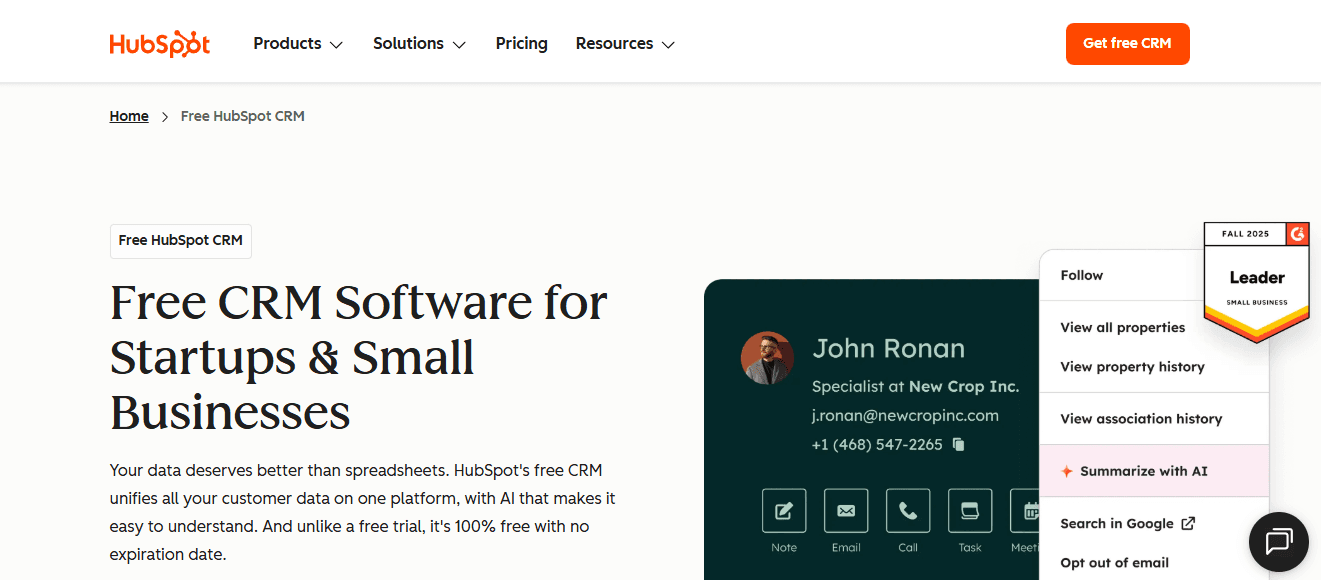
HubSpot combines CRM-backed segmentation with behavioral triggers and workflow automation tied to lifecycle stages and revenue outcomes. Segments can be built from profile fields, website behavior, and deal activity to align marketing and sales actions. Workflows run in real time to:
Change lead status
Send targeted content
Create tasks when prospects hit milestones
HubSpot’s built-in reporting and broad app marketplace make it simple to push segments to email, ads, and sales processes.
Why it works: HubSpot keeps segment definitions and pipeline actions in a single system, reducing friction across tools and measurement gaps.
4. Mailchimp
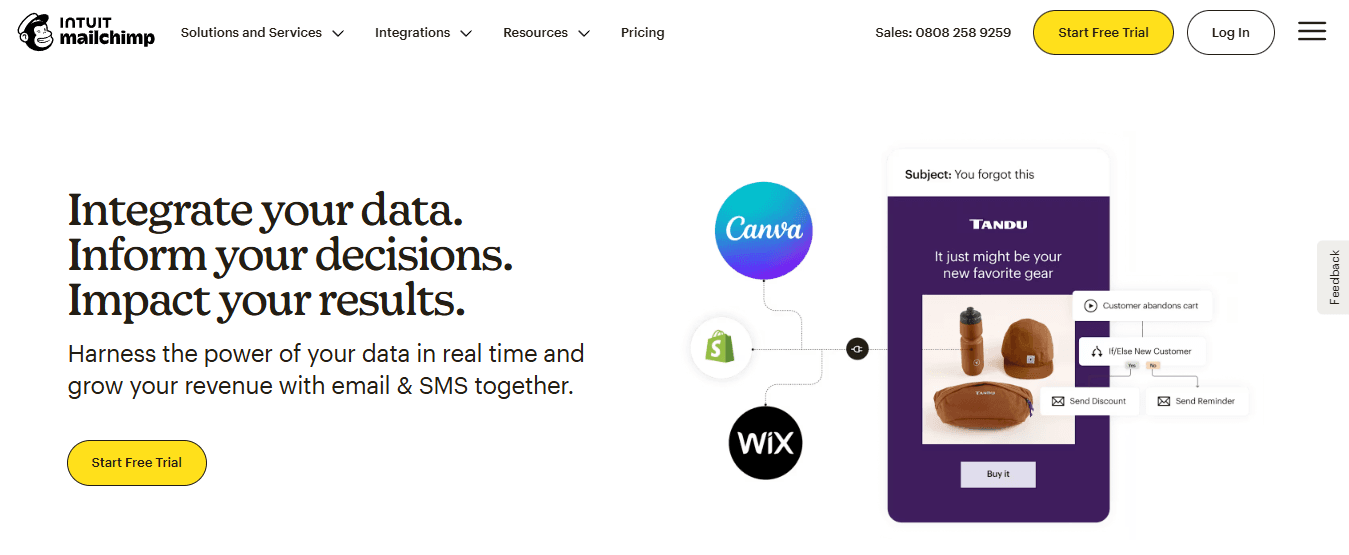
Mailchimp focuses on email- and list-based segmentation by demographics, purchase history, and engagement, with easy-to-use audience tags and conditional content. You can create dynamic groups based on opens, clicks, and transaction events to personalize sends without complex setup. Automation triggers fire messages when users cross thresholds, like inactivity or cart abandonment. Its plug-ins for CMS and ecommerce platforms let you quickly apply those segments to nurture and retention flows.
Why it works: Simplicity and speed make it practical for small teams to run targeted email campaigns that feel personal.
5. Kissmetrics
Kissmetrics tracks behavior across sessions to build conversion-focused cohorts and identify which actions correlate with purchases or churn. Segments are event-driven, defined by sequences of actions or funnel positions to reveal high-value behaviors. The platform updates cohorts frequently to reflect campaign-driven behavior and can alert on anomalous drops in funnels. Integrations export segments into email tools and ad platforms so you can re-engage users who hit specific behavioral signals.
Why it works: It links behavior to revenue signals, helping you prioritize segments that actually lift conversions.
6. Google Analytics
Google Analytics segments visitors by behavior, traffic source, campaign, and basic demographics to inform site-level experiments and channel allocation. You create audiences from event and pageview data to retarget or tailor landing pages. Audiences refresh automatically as users meet criteria, and you can connect them to Google Ads for near-instant activation. With broad platform support, it quickly integrates into most reporting and activation workflows.
Why it works: It’s a lightweight, cost-free starting point for teams that need fast behavioral segmentation tied to ad spend.
7. Heap
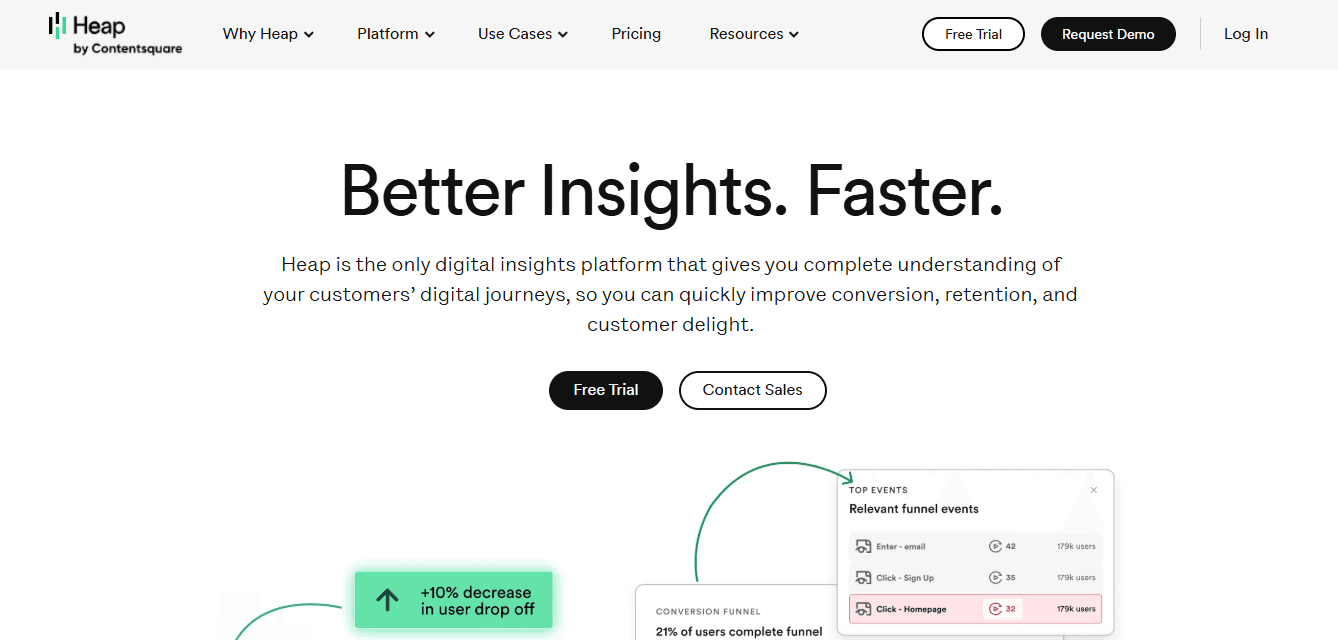
Heap automatically captures every user interaction, enabling you to build segments from a complete record of clicks, form events, and navigation paths without manual instrumentation. Segments can be historic cohorts or real-time groups based on recent interaction patterns. Heap’s data updates continuously, so you can trigger experiments or messages when a cohort’s behavior changes. API and warehouse integrations enable the pipeline of those segments into personalization layers or CRM enrichment.
Why it works: Comprehensive capture reduces instrumentation friction and uncovers behaviors you might otherwise miss.
8. Survicate
Survicate builds segments directly from survey responses, combining attitudinal data with behavioral triggers to separate engaged advocates from detractors. You can segment by:
Satisfaction scores
Product feedback
In-situ intent signals
Responses feed into live segments, and alerts notify teams when sentiment or segment sizes shift. Connectors send survey-driven audiences to email, CRM, and product teams for follow-up and personalization.
Why it works: It ties voice-of-customer signals to actionable segments rather than leaving feedback siloed.
9. Userpilot
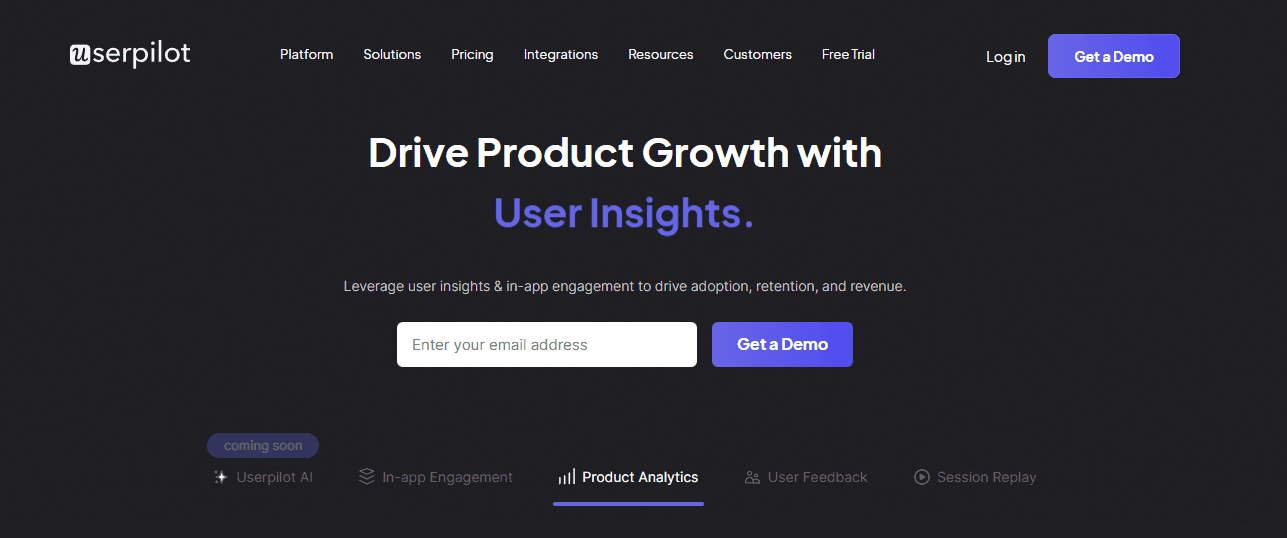
Userpilot specializes in in-app segmentation based on onboarding progress, feature adoption, and usage patterns for SaaS products. Segments are built from event sequences, such as completed onboarding steps or feature usage frequency. Live segmentation supports contextual tooltips, NPS prompts, and targeted help flows as users move through the product. Integrations with product analytics and support tools allow handoffs to customer success or marketing automation.
Why it works: It improves retention by ensuring product messaging aligns with actual user behavior.
10. Segment (Twilio Segment)
Segment centralizes customer data to create unified profiles that power omnichannel audiences across:
Email
Ads
Product personalization
The Infrastructure of Modern Segmentation
Segment supports behavioral, trait-based, and lifecycle segmentation by unifying incoming event streams into a single schema. Real-time streaming ensures audiences update immediately and can be forwarded to destinations via server-side or client-side routing. Prebuilt integrations accelerate activation in downstream tools, enabling teams to test segments without rebuilding pipelines.
Why it works: It eliminates plumbing work, enabling marketers to move from insight to activation quickly.
11. Qualtrics
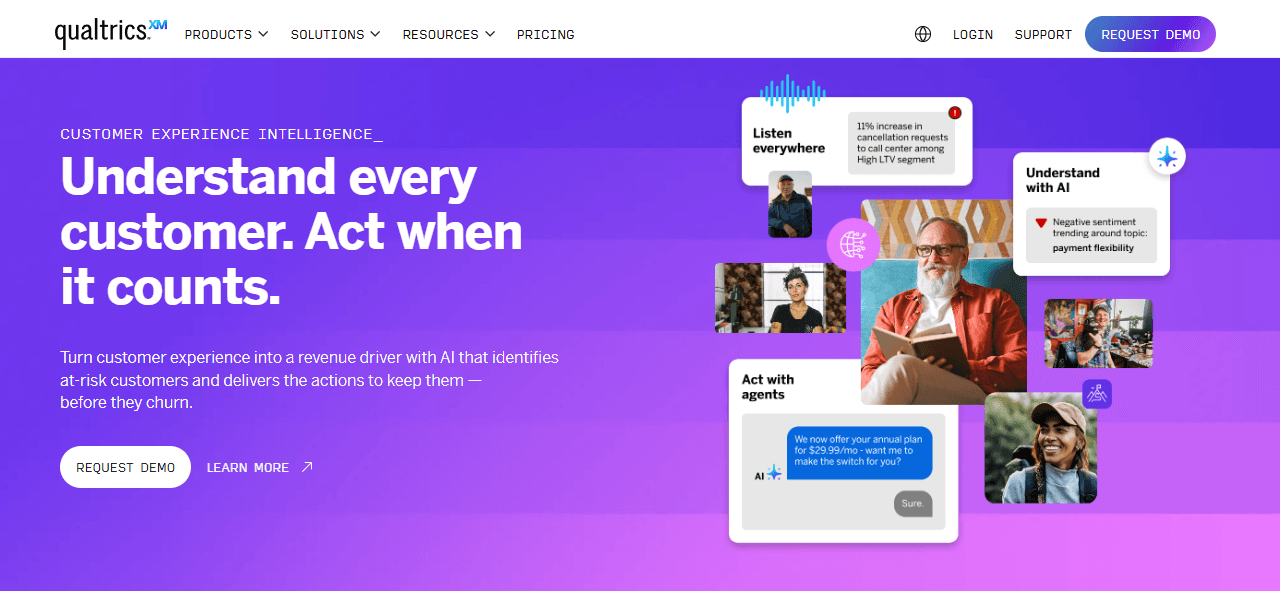
Qualtrics blends survey insights with behavioral and firmographic data to create psychographic and experience-based segments tied to sentiment and satisfaction metrics. Segments include attitudinal clusters, promoter/detractor groups, and B2B firmographic slices like company size or decision role. Its engine updates segments when new feedback arrives and can flag emerging risk or opportunity segments. Integrations push those segments into CRM, support, and CX dashboards for coordinated responses.
Why it works: It surfaces emotional and intent signals that often predict churn or advocacy better than behavior alone.
12. Contentsquare
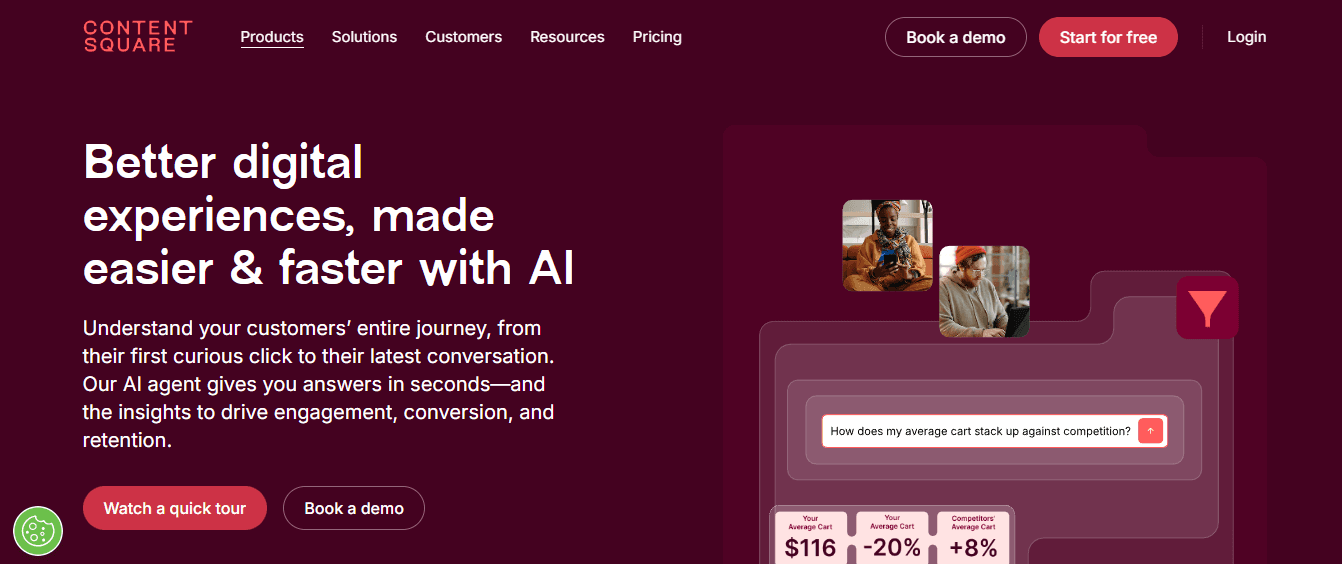
Contentsquare focuses on behavioral segmentation driven by on-page actions like scrolls, hovers, andnavigation paths to identify high-friction journeys and high-value behaviors. You can segment by device, geography, and specific interaction patterns to tailor UX and messaging. The platform provides alerts when engagement patterns change or when a segment’s conversion path degrades. Integrations with analytics and personalization platforms enable you to translate behavioral insights into site changes or targeted experiments.
Why it works: It spots UX-driven segment differences that directly influence conversion rates.
13. Hotjar
Hotjar combines heatmaps, session recordings, and on-site surveys to form qualitative segments based on observed friction points or user intent. Segments can be created from behavior typologies like quick-exit visitors, scroll-depth patterns, or survey responses. Updates occur as new sessions are recorded, and you can flag sessions or segments for immediate review. Exports feed CRO tools and product teams for focused fixes.
Why it works: It helps you pair a numeric trend with the human behavior behind it so targeted fixes improve conversion.
14. Insightly
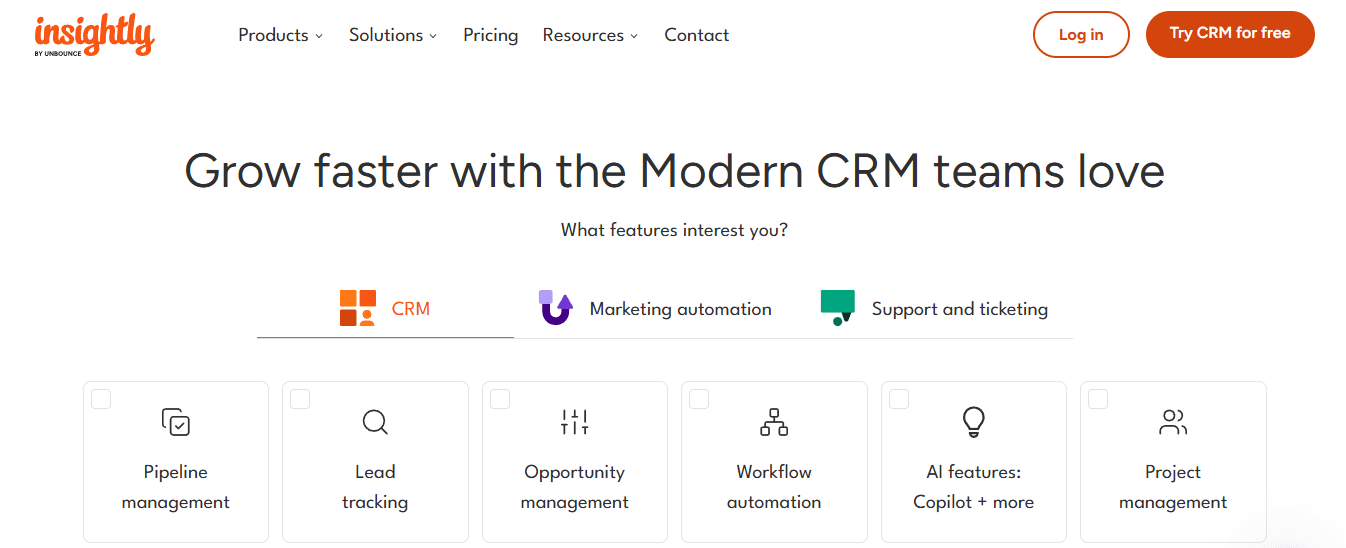
Insightly ties CRM records to marketing segmentation so small businesses can combine sales-stage and profile data into actionable audiences. You create segments from contact fields, custom tags, and pipeline milestones to coordinate sales and email outreach. Real-time updates sync changes from sales activity into marketing lists and vice versa. Integrations with email and automation tools streamline campaign execution directly from the CRM.
Why it works: it keeps sales and marketing aligned around the same segments without complex middleware.
15. Mixpanel
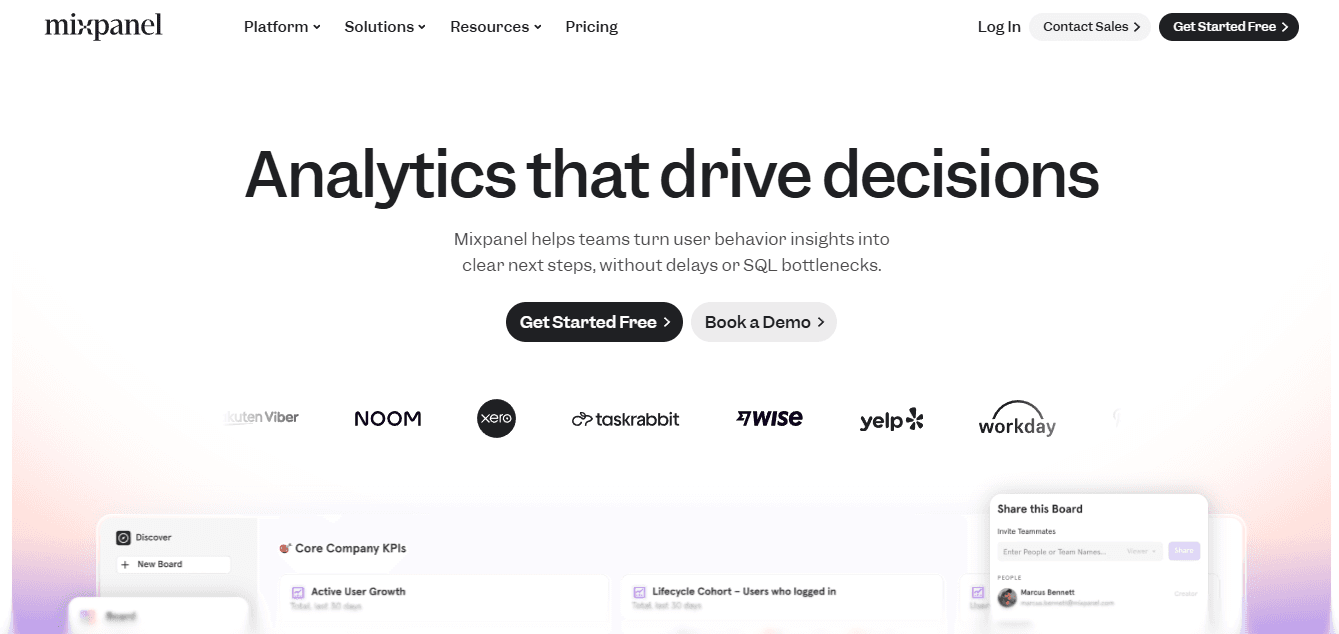
Mixpanel offers event-driven segments and cohorts focused on product usage and retention, with funnels and retention charts to see which segments stick. Create segments for users who complete specific event sequences, experiment with funnels, and watch cohorts update automatically. Near-real-time processing triggers campaigns or notifications when users meet defined behavioral thresholds. Webhooks and integrations enable Mixpanel audiences to activate across messaging and ad platforms.
Why it works: It ties product behavior to lifecycle interventions that reduce churn.
16. Monetate
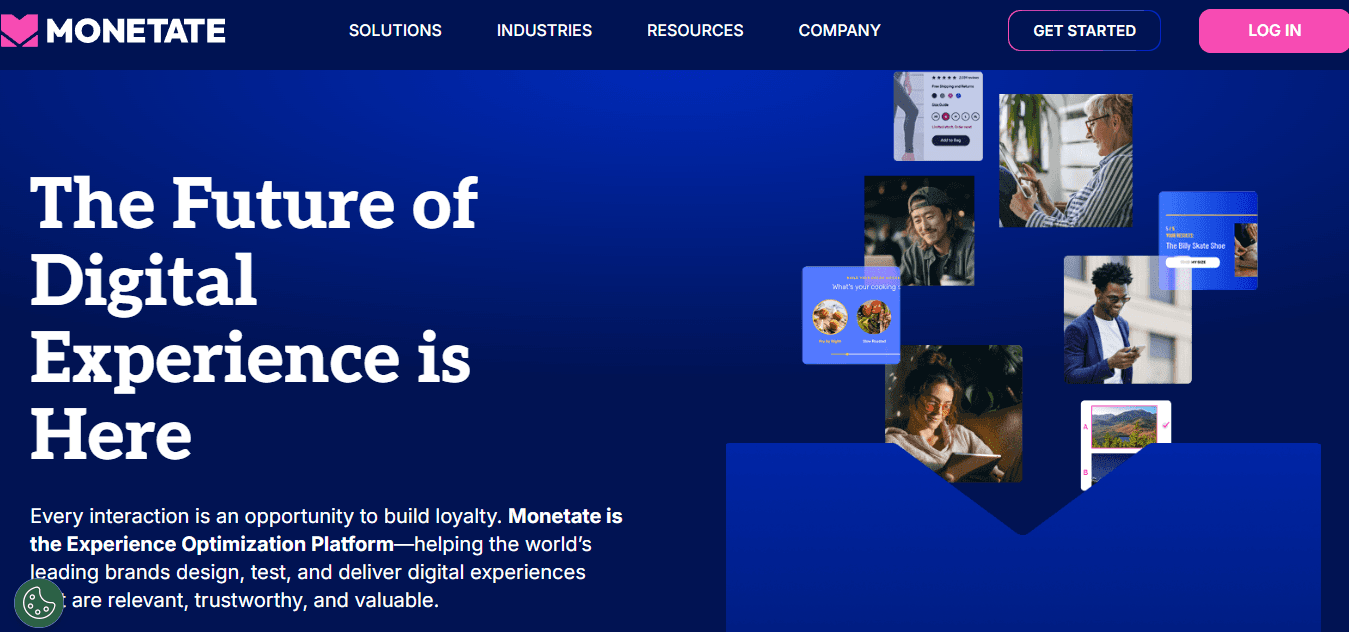
Monetate builds personalization segments for ecommerce that mix purchase history, browsing behavior, and product affinity to serve tailored content and recommendations. Segmentation supports rule-based and tested personalization experiments, including A/B and multivariate tests. The platform updates segments in real time as shoppers interact, enabling real-time content swaps and offers. Integrations with commerce platforms and analytics allow you to measure lift and iterate on personalization rules.
Why it works: It converts browsing signals into personalized experiences that lift average order value.
17. Klaviyo
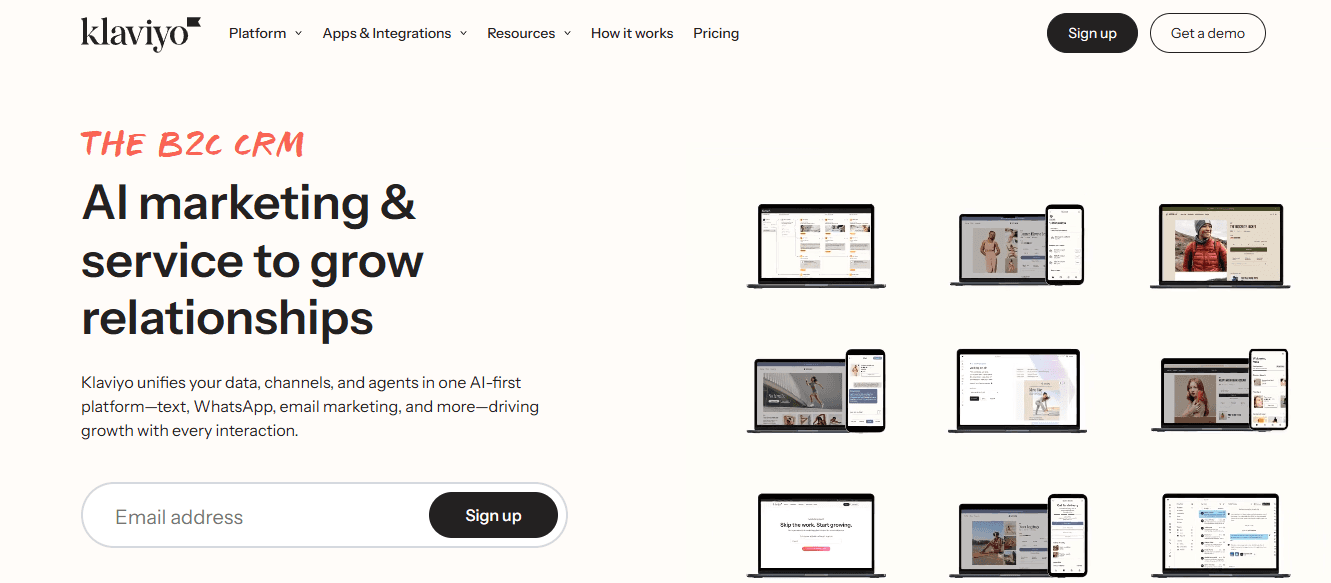
Klaviyo is an e-commerce-focused CDP and messaging platform that uses purchase, browsing, and email engagement data to create detailed lifecycle segments. It supports purchase-based, behavior-triggered, and predictive segments, such as churn risk and next-best-product. Segments update in real time and feed into automated flows, such as cart abandonment or VIP offers. Deep ecommerce integrations let you apply those segments across email and SMS with revenue-focused reporting.
Why it works: it ties messaging directly to transactional signals so every dollar of email spend is measurable.
18. Optimove
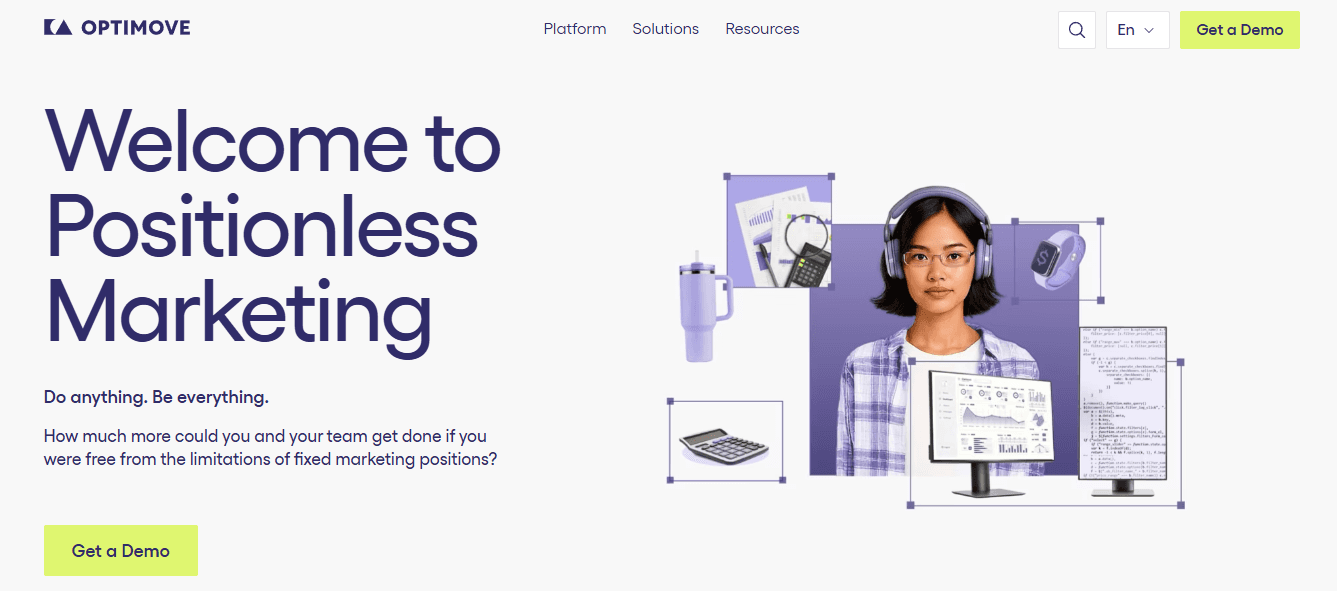
Optimove combines predictive modeling with customer data to create segments aimed at:
Retention
Reactivation
Lifetime value growth
It offers value-based, behavioral, and predicted-outcome segments that evolve as models ingest more data. Automated campaigns run against these segments as soon as predictions change, and you can set alerts for segment-level KPI drift. Integrations with CRM, email, and ad channels let you orchestrate personalized campaigns at scale.
Why it works: it focuses on retention-first segmentation powered by predictive insights to maximize customer value.
Status Quo Disruption Paragraph
Most teams handle segmentation by stitching rules, spreadsheets, and ad audiences because it is familiar and requires little upfront change. As audiences and channels multiply, that approach fragments: lists stale, rules contradict, and responsiveness drops from hours to days.
Platforms like AI Acquisition:
Centralize segmentation recipes
Automate triggers
Route high-intent prospects to virtual agents, compressing manual handoffs and shortening lead response times.
19. Totango
Totango maps customer success health to segments such as onboarding, at-risk, and expansion-ready, using product usage and milestone completion as core signals. Segments update when customers reach adoption thresholds or exhibit warning signs, such as reduced usage. Health alerts and playbooks automatically trigger outreach from success teams. CRM and support integrations ensure segments are actionable for both marketing and post-sales teams.
Why it works: It turns product signals into lifecycle playbooks that protect revenue.
20. Averi AI

Averi AI blends marketing-specific foundation models with behavioral and demographic data to produce highly predictive segments and content recommendations. It supports demographic, psychographic, behavioral, and value-based segmentation while preserving historical context to improve accuracy. Synapse processes streams in real time so segmented audiences refresh continuously, and creative agents generate tailored campaign variants. APIs and prebuilt connectors let teams push segments into ads, email, and CRM systems seamlessly.
Why it works: It combines predictive segmentation with automated content generation, shortening the path from insight to personalized activation.
21. Usermaven
Usermaven prioritizes privacy-first behavioral segmentation, capturing page events and conversion signals without cookies and turning them into real-time cohorts. It creates segments based on engagement, conversion likelihood, and source to support lifecycle campaigns. Intelligent alerts notify you when segment behavior shifts or new high-value cohorts emerge. Integrations with email, CRM, and ad platforms let you export segments for immediate activation.
Why it works: It gives privacy-conscious teams live segmentation without sacrificing activation speed.
22. Audiense
Audiense builds social-first segments by analyzing followers, connections, and conversation clusters to reveal interest-based and influencer-driven audience groups. Segments include psychographic clusters and communities identified by common hashtags and shared influencers. Audiense refreshes segments as conversations evolve and flags emerging communities for timely campaigns. Export options let you use social intelligence to seed ad audiences or enrich CRM profiles.
Why it works: It finds audience pockets that standard demographic tools miss, making social campaigns sharper.
23. Amplitude
Amplitude layers event analytics on top of segmentation so that you can split audiences by exact user journeys, feature adoption, and funnel position. Segments include lifecycle states, funnel dropouts, and cohorts defined by event sequences. Near real-time cohort updates enable automated messaging when users cross critical thresholds. Integrations send audiences to ad platforms and CRMs so product signals inform marketing and sales moves.
Why it works: It links granular product events to lifecycle campaigns, improving retention and conversion.
24. Omnisend
Omnisend tailors ecommerce segmentation around purchase frequency, cart activity, and engagement across email and SMS channels. Segments can be behaviorally triggered, lifecycle-based, or product-affinity focused and update as shoppers act. Automation sequences react immediately, delivering cross-channel messages timed to browsing or purchase signals. Native ecommerce integrations keep product and inventory data in sync for precise recommendations.
Why it works: It blends messaging channels so segment-driven campaigns meet shoppers where they already buy.
25. Facebook Audience Insights (Meta Audience Insights)
Meta’s native tool segments audiences using rich demographic, interest, and behavioral signals derived from platform activity. You can build lookalike audiences from top customers and create interest clusters tied to engagement patterns. Audiences update as users’ behaviors on Meta change, keeping ad targeting fresh. Pixel and Conversions API integrations combine off-platform events with social signals for tighter attribution.
Why it works: it mines social behavior at scale to expand reach to highly similar prospects.
26. SurveyMonkey
SurveyMonkey turns survey responses into attitudinal segments you can act on, mapping satisfaction, priority needs, and willingness to pay into audience groups. You can cross-tabulate responses with respondent attributes to create fine-grained psychographic slices. Segments update as new responses arrive and can automatically trigger follow-up flows. Exports feed CRM and email systems, so survey insights become targeted campaigns.
Why it works: It converts explicit customer voice into micro-segments you can market to with confidence.
27. BuzzSumo
BuzzSumo segments audiences by content engagement and influencer networks, highlighting which content formats and topics drive distinct response groups. Segments reflect sharing behavior, comment patterns, and influencer reach to inform outreach and content strategies. Alerts notify you when a topic spikes or a segment’s engagement surges. APIs and report exports let you pair content-driven segments with paid and owned channel activations.
Why it works: It links content resonance directly to audience groups, so creative investment targets the right people.
28. Akita

Akita provides sales and service teams with segment-based customer views, channel attribution tracking, and milestone event tracking to prioritize outreach. Segments are defined by engagement, spend, and lifecycle stage, so support and sales have shared context. Real-time alerts warn teams when accounts hit milestones or when a segment’s health changes. Integration with CRMs and helpdesk systems enables immediate actions from within the workflow.
Why it works: It makes customer intelligence visible to front-line teams, enabling them to act quickly.
29. Pendo
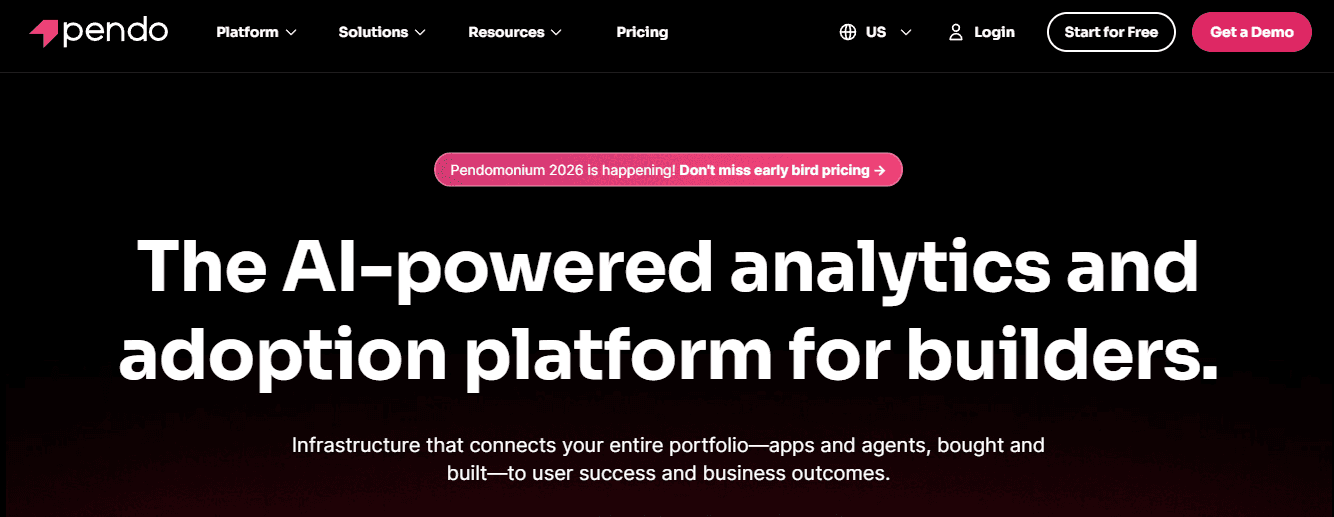
Pendo creates segments around product adoption and feature usage to help teams improve onboarding and reduce churn. Segments include users by onboarding progress, feature discovery, and engagement recency. It updates segments in real time and supports targeted in-app messaging or contextual guides for specific segments. Export options bring these product-driven segments into email and support workflows.
Why it works: It aligns product education with real user needs, reducing support load and lifting adoption.
30. Cognism
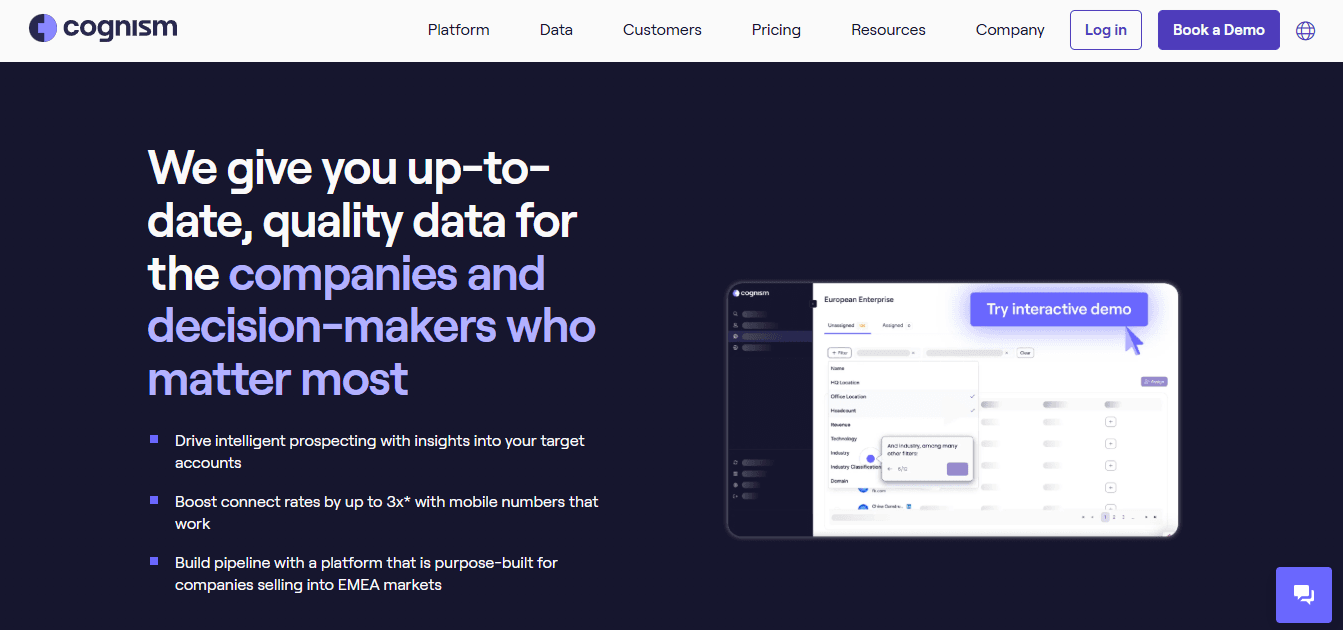
Cognism focuses on B2B prospect segmentation using firmographic filters, funding events, and intent signals to surface sales-ready accounts. You can slice audiences by industry, recent funding, company size, and seniority to prioritize outreach. Intent feeds and lead scoring refresh segment priorities as signals change. Integrations with sales engagement tools and CRMs enable reps to act on the most up-to-date lists.
Why it works: It moves from lead lists to prioritized, intent-driven segments, improving sales efficiency.
31. Mailshake
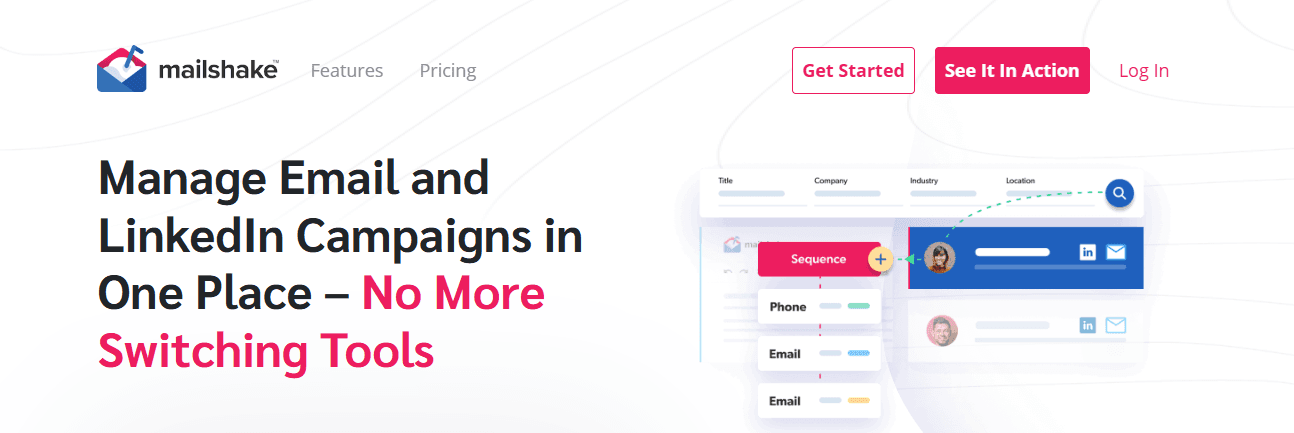
Mailshake segments prospects by email engagement, response cadence, and enrichment data to tailor outreach sequences for cold and warm leads. Segments evolve based on opens, replies, and bounce behavior, automatically pushing contacts into different cadences. The platform integrates with sourcing tools and CRMs to keep outreach aligned with qualification.
Why it works: It automates follow-up logic so reps can spend time on conversations, not on tracking who to ping next.
32. UpLead
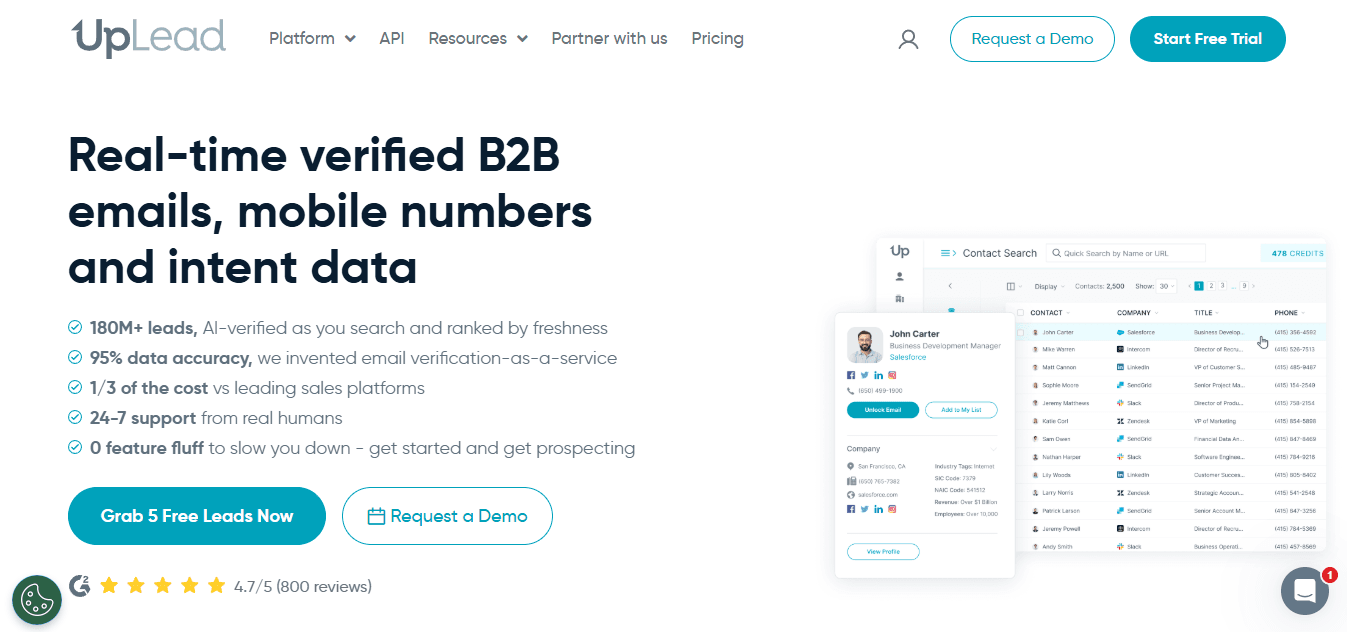
UpLead supports ABM-style segmentation with firmographic enrichment and intent-based signals, enabling B2B teams to quickly build targeted account lists. Filters include company attributes, technologies used, and recent hiring or funding signals. Lists refresh when enrichment data updates, and integrations let you push segmented audiences into personalization or outreach sequences.
Why it works: It provides ABM teams with high-quality, actionable segments without manual data cleanup.
33. Clearbit
Clearbit enriches lead data to expand segment attributes, turning minimal lists into richly profiled audiences by company size, tech stack, and role. That enrichment enables more precise segmentation and lookalike targeting for paid and email channels. Clearbit outputs refreshed profiles when external data changes and integrates seamlessly with CRMs and enrichment workflows.
Why it works: It fills the missing fields, so segmentation is based on real signals rather than guesses.
34. Sprout Social
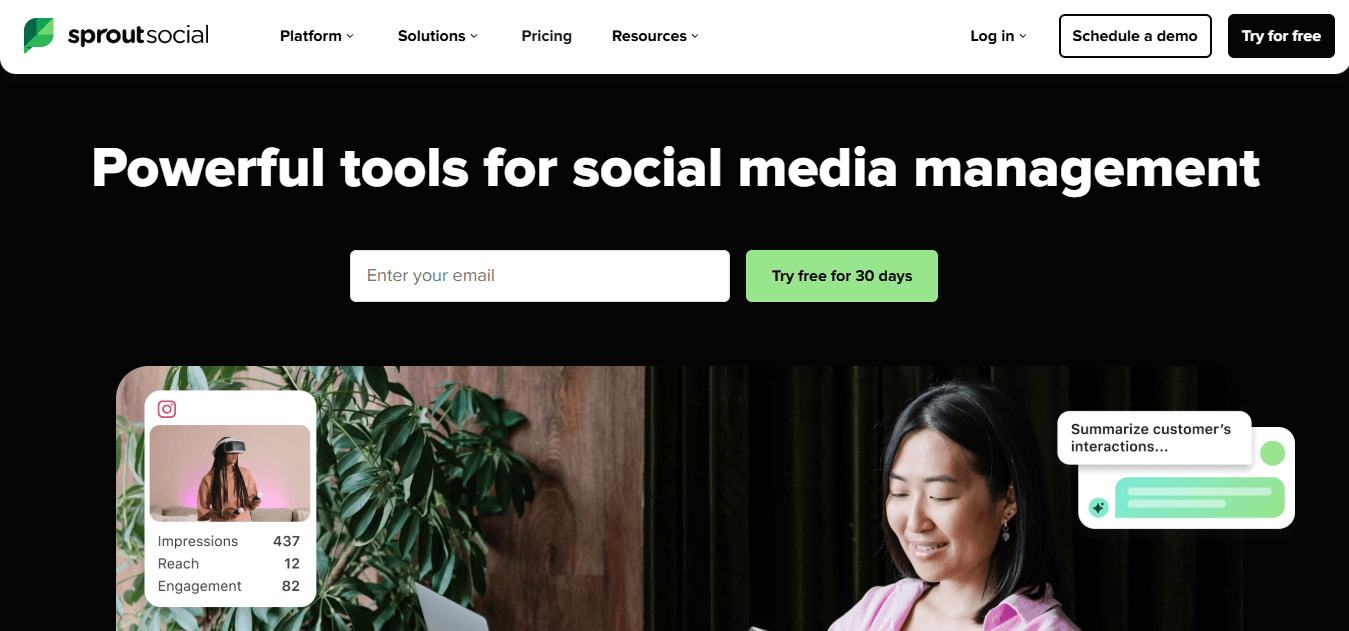
Sprout Social segments organic and paid social audiences by engagement patterns, sentiment, and topical interest to inform posting and ad strategies. You can schedule content for specific geographic or demographic segments and monitor response in real time. Social listening updates segment definitions as conversation topics shift, with alerts for sentiment changes. CRM and commerce integrations allow teams to move social segments into broader campaigns.
Why it works: It helps you match content timing and tone to specific audience slices across networks.
35. Baremetrics
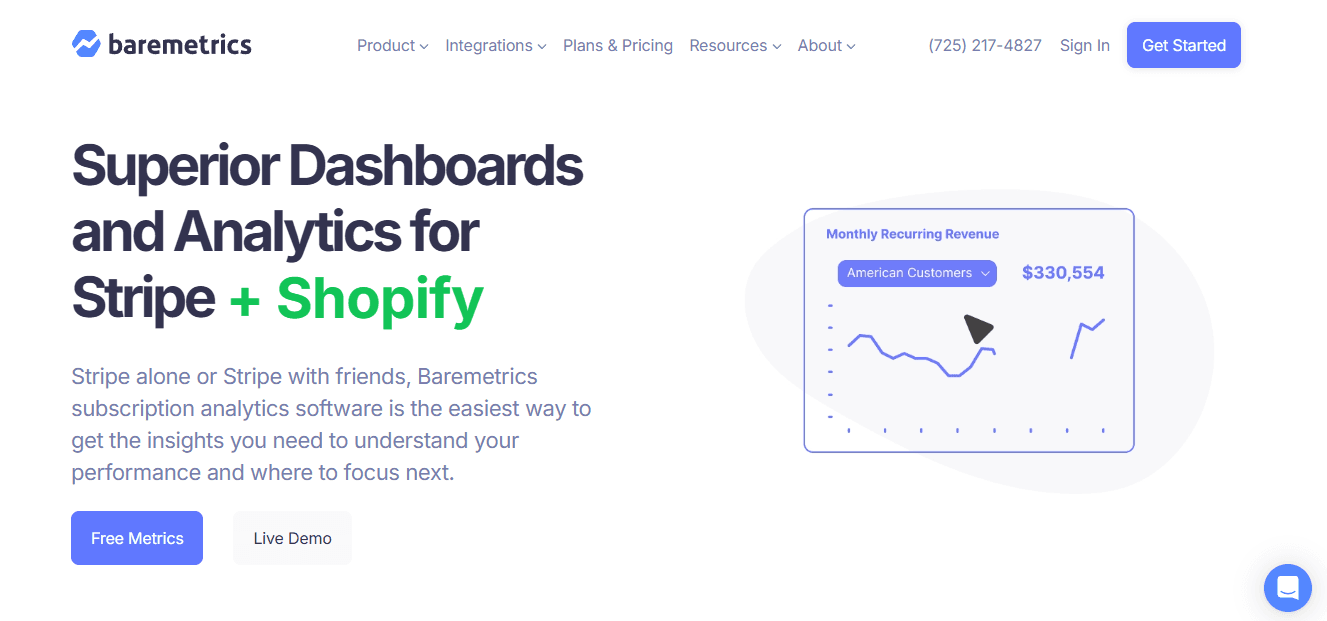
Baremetrics focuses on subscription businesses, segmenting customers by revenue metrics, trial behavior, and payment health to inform retention strategies. Segments include high-LTV cohorts, trial dropouts, and accounts at risk due to failed payments, with updates triggered by billing events. Alerts are triggered when revenue-linked segments move, prompting recovery or upsell flows. Native integrations with Stripe and PayPal make segment activation straightforward for subscription teams.
Why it works: It connects revenue signals to actionable segments, so retention works target the right customers.
Pattern-based insight we often use: This struggle appears across WordPress sites and small agencies, where teams want clean integrations, simple analytics, and fast setup rather than enterprise complexity. Choosing platforms with ready connectors and transparent reporting reduces friction quickly. The following section will show how to implement an audience segmentation platform successfully, but first, consider this: the change feels straightforward until you try to keep segments current across growing channels and teams.
Related Reading
How to Implement an Audience Segmentation Platform Successfully

Start by locking a single measurable outcome, then build a short, repeatable playbook that moves from data to activation in weeks, not months. Follow the five actions below in order, keep each step small, and insist on a single clear signal of success so you can decide quickly whether to scale or stop.
How Do We Choose a Platform That Won’t Break Later?
Select a tool based on connectors, data model, and real-time audience refresh, in that order. Connectors matter because missing a native integration forces brittle scripts and manual exports. The data model matters because inconsistent identifiers create orphaned profiles, undermining personalization. Real-time refresh matters because intent decays quickly, and your messaging must keep pace. Brands that run these checks first report measurable cost savings; brands leveraging AI-driven segmentation tools can achieve around a 15% reduction in marketing costs.
What Does a Practical 30-Day Rollout Look Like?
Week 0: Define the one metric you will move: lead-to-paid conversion, trial conversion, or CAC, and freeze it.
Week 1: Do a 48-hour audit of identity fields and data freshness, then fix the top two mismatches that break joins.
Week 2: Create 2 to 3 actionable segments, each with a clear activation destination and a minimum sample size rule.
Week 3: consolidate those audiences into a single channel and run a short A/B test for 7 to 14 days. That cadence forces decisions, prevents paralysis, and gives you results you can trust within a month.
Why Avoid Over-Segmentation and Data Silos, and How Do You Stop Them?
Over-segmentation feels strategic but often produces tiny audiences that never generate learning. Set a minimum sample size and a decay rule, so segments collapse or merge if they fall below the threshold. Prevent silos by enforcing a single customer view schema, then use role-based access controls to prevent ad hoc exports that fragment the truth. This pattern appears repeatedly with small agencies that try to optimize every micro-audience, only to spend weeks on lists that never drive revenue. Most teams handle this by stitching lists and rules because it feels faster at first. That works early, but as channels multiply, the stitching becomes its own product. What happens then is predictable: campaigns stall, onboarding slows, and conversion windows close.
The Hybrid Growth Model
Platforms like AI Acquisition provide an alternative path, centralizing connectors, automating segmentation recipes, and routing high-intent prospects to automated sales flows, compressing days of manual work into minutes while preserving audit trails and human override.
How Do You Validate Lift Without Inventing False Positives?
Always start with a baseline period to capture natural variance, then run randomized holdouts or geo splits rather than sequential tests. Measure both short-term conversion and early indicators of quality, such as downstream trial engagement or first-month retention. Instrument a rollback plan: if a segment increases signups but lowers 30-day retention, pause and inspect the cohort. Use simple dashboards that show cohort size, conversion rate, CAC, and a single engagement proxy, updated daily.
What Operational Controls Keep Segmentation Reliable at Scale?
Treat segments like code. Version them, store the recipe with a human-readable description, and require a champion to sign off before activation. Automate QA checks that test mapping logic, example counts, and freshness on each deploy. Schedule a weekly audit to identify signal drift: if a segment’s conversion rate falls by more than 20% in seven days, flag it for review. Think of the system as a switching yard, where gates open and close automatically, but a conductor still oversees the traffic.
Quick Launch Checklist You Can Use Right Now
One metric, one success threshold.
Inventory and fix the top two identity mismatches within 48 hours.
Build 2 to 3 segments with activation paths and minimum sizes.
Run a 7 to 14-day A/B activation with a randomized holdout.
Add versioning, daily QA, and a weekly signal-drift check.
You’ll encounter a stubborn bottleneck during implementation that everyone underestimates, which will change how you allocate time and budget going forward.
Get Access to our AI Growth Consultant Agent for Free Today
You can build and scale an AI-powered business without complexity or massive teams by automating lead generation, audience segmentation, sales, and operations so that you can focus on growth instead of busywork.
The $30M Proven Framework
Join 1,200+ entrepreneurs using AI Acquisition's no-code, multi-agent growth OS that acts like a lightweight customer data platform; their clients average $18,105 in monthly revenue and have generated over $30 million this year, and you can claim a free AI growth consultant to see how a 24/7 digital workforce of AI agents keeps dynamic audiences, real-time cohorts, and human-quality outreach working to fill your pipeline and book meetings while you scale.
Related Reading
AI Sales Prospecting Tools
AI Tools For B2B Marketing
AI For Sales Calls
Lead Qualification Strategies