You juggle inbound leads, cold outreach, follow-up messages, and a CRM that never seems up to date, and that friction costs you deals. In AI-assisted sales, conversational AI and innovative prompt templates can turn repetitive tasks into consistent sales scripts for outreach, lead qualification, objection handling, and demo scheduling. ChatGPT sales prompts do the heavy lifting, generating personalized email templates, follow-up sequences, and objection responses so you can close more deals faster by using proven ChatGPT sales prompts tailored to every stage of the sales funnel.
AI Acquisition's AI automation software puts those prompt templates to work, personalizing outreach, booking demos, tracking follow-up, and updating your CRM so your team spends less time on admin and more time closing deals.
Summary
Ad hoc use of ChatGPT produces noisy pipelines and inconsistent outreach, and 70% of sales teams using ChatGPT without a strategy report no improvement in conversion rates.
Mapping prompts to specific funnel stages and single outcomes materially improves results, with sales teams that define a ChatGPT strategy seeing a 50% higher success rate.
When prompts are designed for stage-specific tasks, conversion lifts follow, as Docket.io reports a 30% increase in lead conversion rates for teams using AI-driven prompts.
AI adoption reduces administrative overhead; 75% of sales teams using AI tools report increased efficiency in their sales processes.
Requiring input validation and lightweight human feedback prevents hallucinations and preserves quality, reflected in a reported 30% increase in lead qualification rates for reps using disciplined ChatGPT prompts.
Adoption is widespread: over 60% of sales professionals use ChatGPT for lead generation. Therefore, small experiments, governance, and versioning are essential to avoid a fragmented voice and technical debt.
AI Acquisition's AI automation software addresses this by automating stage-aligned prompt playbooks, routing low-confidence outputs for human review, updating CRM records, and booking demos to preserve pipeline context while reducing manual admin.
Table of Contents
What's Missing When Sales Teams Use ChatGPT Without Strategy?
29 Best ChatGPT Sales Prompts for Every Stage of the Pipeline
What's Missing When Sales Teams Use ChatGPT Without Strategy?
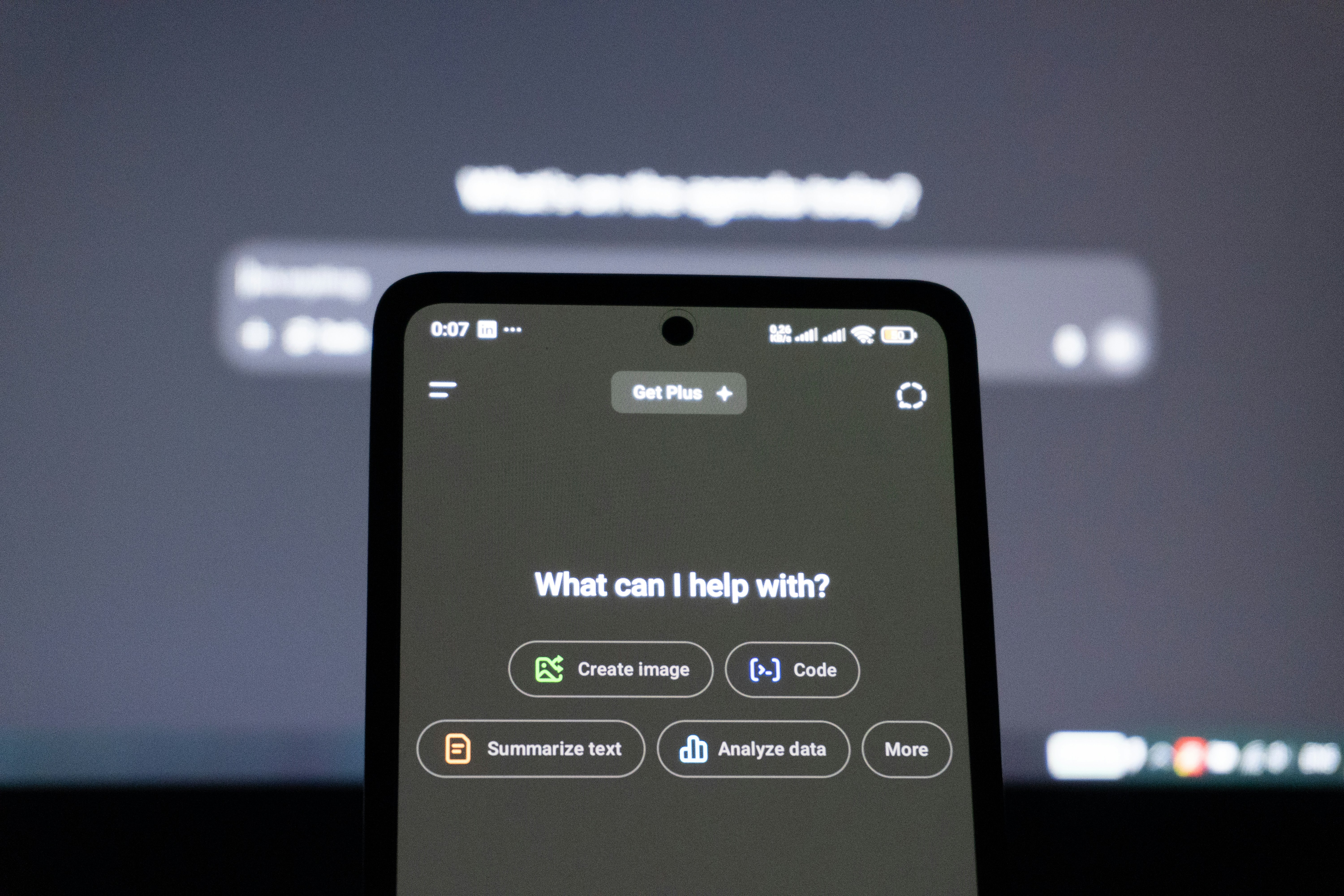
Sales teams pull ChatGPT into their stack for three reasons:
Speed
Scale
The promise of clearer, more relevant messaging
The core problem is avoidable and straightforward: using ChatGPT without a strategy turns a powerful assistant into a shallow productivity trick that produces noisy pipelines and inconsistent outreach. To move beyond these basic limitations, many forward-thinking firms are turning to specialized AI automation software to build more robust, reliable systems.
Why Does This Matter In Practice?
When you rely on ad hoc prompts, outreach becomes a patchwork.
Responses look professional but generic, sequences drift from one stage to the next, and personalization evaporates. ChatGPT itself is built to help; it was trained on over 570 gigabytes of datasets, including:
Books and web pages
It can write code
Generate content
Analyze data
Was taught using Reinforcement Learning from Human Feedback
This explains why it can admit mistakes, ask follow-up questions, and decline requests, yet lacks genuine emotion or situational judgment to preserve relationships. The result is a lot of polite, plausible copy that still feels hollow to genuine buyers.
What Breaks When Teams Lean On Prompts Alone?
The failure mode is predictable:
Inconsistent messaging
Wasted rep time
Eroded trust
This is not hypothetical. According to Marketing LTB, 70% of sales teams using ChatGPT without a strategy see no improvement in conversion rates, a 2025 analysis showing that tool adoption alone does not translate to better results.
When outreach lacks a pipeline structure, personalization fails, and the inbox becomes cluttered with low-quality interactions, which damages credibility faster than it gains efficiency. If your team is struggling with this efficiency trap, book a consultation with AI Acquisition to learn how to align AI with your actual revenue goals.
When The Problem Shows Up In Real Workflows
When we ran a six-week pilot with an early-stage B2B sales team, the pattern became clear: initial velocity spiked, but reply quality and qualified-opportunity rates flatlined once prospects called out generic language. Teams felt exhausted by follow-ups that led nowhere, not because reps weren’t trying, but because prompts were untethered from playbooks.
This pattern appears consistently across small service teams and SMB SaaS sellers: prompt craft helps until pipeline rules, qualification gates, and feedback loops are missing, then it fails.
How Should Teams Reframe ChatGPT Prompts Within The Pipeline?
Think of prompts as modular playbooks, not one-off tasks. Map each prompt to a pipeline stage, define expected outcomes, and instrument simple metrics:
Response rate
Qualified leads
Time-to-first-meeting
Use guardrails:
Role templates
Persona snippets
Required data fields
Escalation rules that force human review on edge cases
That discipline turns chat output into repeatable operations rather than occasional copywriting wins. Scaling this discipline requires the right AI automation software to ensure that every production stays on-brand and on-target. And it works. According to Marketing LTB, sales teams with a defined strategy for ChatGPT usage experience a 50% higher success rate, a 2025 finding that underlines how strategy multiplies impact.
The Velocity Trap: Why Ad Hoc Prompting Fails at Scale
Most teams manage ChatGPT ad hoc because it feels fast and cost-free, a familiar shortcut that avoids redesigning workflows. That works until message drift and follow-up friction multiply, turning a short-term efficiency into long-term churn.
Solutions like AI Acquisition’s multi-agent AI platform provide:
Plug-and-play prompt playbooks
Centralized orchestration
No-code deployment
It enables teams to consistently:
Roll out structured lead qualification
Outreach sequences
Objection-handling modules
It compresses playbook rollout from weeks to hours while keeping human oversight where it matters.
What To Prioritize First
Start with the smallest, high-leverage fix:
Map three critical prompts to concrete outcomes
Enforce data input quality
Measure one metric per prompt
Add a simple feedback loop so reps can:
Rate responses
Flag failures
Receive retraining prompts
Trigger human review
Over time, stitch those modular prompts into multi-agent flows that handle prospecting, qualification, and follow-up without losing voice or context.
The Architecture of Action: Moving from Static Prompts to Flowing Pipelines
That’s the reality; next, we’ll show the exact prompts and wiring to make it operational. This problem appears solved on the surface, but the real turning point comes when you see how the pipeline structure reshapes results.
Ready to transition from manual prompts to a fully orchestrated system? Schedule your strategy call with AI Acquisition today.
Related Reading
29 Best ChatGPT Sales Prompts for Every Stage of the Pipeline
As of 2025, Docket.io reports that 75% of sales teams using AI tools have reported increased efficiency in their sales processes, which is why automating repetitive research feels worthwhile given the setup. While prompts provide the “what,” professional AI automation software provides the “how” for scaling these operations.
Prospecting and Lead Generation Prompts
1. Identifying My Ideal Customer Profile
“Act as a B2B sales strategist. Define the ideal customer profile for [product/service] that helps [specific benefit]. Include industry, company size, key pain points, and decision-makers involved in the purchase process. If I want to dig deeper into why this ICP is a good fit, I sometimes use the Reason plugin to understand the logic behind the recommendation.”
Intent and Outcome
This narrows the hunt. It drives fewer, higher-quality targets so reps spend time on buyers who match your economics. It supports judgment by listing trade-offs rather than issuing ultimatums.
If you find your team is still manually hunting after defining this, you can book a strategy call with AI Acquisition to automate your lead discovery entirely.
What ChatGPT Gives Me
Industries and company sizes that:
Match unit economics
Clear pain points
The decision-maker's role is to prioritize
2. Researching Industries and Market Segments
“Act as a market analyst. Research the latest trends, challenges, and opportunities in the [industry] sector. Summarize key pain points decision-makers are facing and suggest specific ways that [my product/service] can solve them. Focus on recent developments, competitive pressures, and any regulatory changes that could impact their decisions.”
Intent and Outcome
Prepares context so your opening message lands as relevant rather than generic. It shortens prep time for calls and emails and gives reps argumentation they can test in real conversations.
What ChatGPT Gives Me
A concise industry brief, key drivers of urgency, and tactical hooks that map to your value props.
3. Finding Decision-Makers at Target Companies
“List the key decision-makers involved in purchasing [my product/service] at a mid-sized [industry] company. Include their job titles, responsibilities, and potential concerns about adopting a new solution.”
Intent and Outcome
Reduces wasted outreach to the wrong inboxes. It supports reps by offering role-specific concerns to preempt during discovery.
What ChatGPT Gives Me
A ranked:
List of titles
Their likely priorities
Suggested opening lines tailored to each role
Cold Outreach and Email Writing Prompts
4. Crafting Compelling Cold Email Subject Lines
“Act as a B2B copywriter. Generate 10 compelling cold email subject lines for [target audience]—[job title or industry]—offering [product/service]. Make them concise, engaging, and optimized for high open rates. Include a mix of curiosity-driven, value-based, and question-style subject lines.”
Intent and Outcome
Improves open rates by giving reps:
Tested variations
Saving A/B time
It supports judgment by offering tone options for different risk levels.
What ChatGPT Gives Me
Ten subject-line variations
Length guidance
Persona-specific notes
5. Writing Personalized Email Body Content
“Act as a B2B sales copywriter. Write a cold email to a [job title] at a [company type] struggling with [specific pain point]. Keep it under 120 words, lead with value, and make it feel personalized. Clearly address their challenge, introduce [my solution] as a way to help (not sell), and include a simple, low-commitment call to action. Avoid jargon and make it easy to read.”
Intent and Outcome
Produces concise, prospect-focused copy that increases the likelihood of a reply. It supports reps by providing a polished foundation they can quickly refine rather than writing from scratch.
For teams sending thousands of these, AI Acquisition’s cold email agents can handle the personalization and delivery on autopilot.
What ChatGPT Gives Me
A short, non-salesy email tailored to the persona and pain point, with a clear CTA.
6. Creating Follow-Up Email Sequences
“Act as a B2B sales copywriter. Create a three-email follow-up sequence for a [job title] at a [company type] who hasn’t responded to my initial email about [product/service]. Each email should be concise, add value, and encourage a reply without being pushy. Use a mix of approaches—offering insights, sharing a case study, or addressing potential objections. Include subject lines for each email.
First email I sent: [Insert original email here].”
Intent and Outcome
Keeps momentum without nagging. It turns one-off outreach into a coherent sequence, so reps handle cadence confidently and consistently.
What ChatGPT Gives Me
Three-stage follow-ups with:
Themes
Subject lines
Timing suggestions
Sales Call Preparation Prompts
7. Researching Prospects Before Calls
“Act as a B2B sales researcher. Summarize key details about [prospect’s name], who works as a [job title] at [company]. Provide: a brief overview of their role and responsibilities; insights into their company; likely pain points based on their job function; any recent activities.”
Intent and Outcome
Cuts prep time and raises the quality of opening rapport. It supports reps by flagging conversational entry points and potential landmines.
What ChatGPT Gives Me
A one-page briefing designed to be skimmed 10 minutes before the call.
8. Creating Call Scripts and Talking Points
“Create a structured sales call script for speaking with a [job title] at a [company type] about [product/service]. Include an engaging opening, key value propositions, discovery questions, and a strong closing.”
Intent and outcome
Gives a flexible skeleton, not a teleprompter. Reps keep their voice while following a flow that uncovers decision criteria and moves the deal forward.
What ChatGPT Gives Me
An adaptable script
Prioritized discovery questions
Options for closing asks depending on prospect signals
9. Preparing Answers to Potential Objections
“Act as a B2B sales strategist. Identify the top objections a [job title] in [industry] might have about [product/service]. For each objection, provide a clear and persuasive response, addressing their concerns logically. Where relevant, include industry insights, data points, or real-world examples. Ensure the tone is confident yet conversational.”
Intent and Outcome
Turns surprises into expected moments. It empowers reps to select the most effective rebuttal and escalate complex objections to technical owners as needed.
What ChatGPT Gives Me
A prioritized objection list with scripted, evidence-backed replies and escalation cues.
Objection Handling and Negotiation Prompts
10. Developing Negotiation Strategies
“Act as a sales strategist and outline a tailored negotiation plan for selling [product/service] to a [job title] in [industry]. Break it down into: how to establish trust and position value; common objections and counters; ways to reinforce ROI and differentiate; tactical methods to negotiate without discounting; a strategy to close while ensuring the customer feels they’re getting maximum value.”
Intent and Outcome
Provides a negotiation playbook aligned to business outcomes rather than price. It supports reps by giving alternatives to discounts and by embedding escalation points.
What ChatGPT Gives Me
A step-by-step negotiation framework with phrases and tradeable concessions.
11. Price Justification and Value Reinforcement
“Craft a persuasive response for a [job title] in [industry] who says [product/service] is too expensive. Emphasize ROI, long-term savings, and competitive advantages.”
Intent and Outcome
Helps reps reframe price conversations as economic impact conversations, preserving margins and credibility.
What ChatGPT Gives Me
ROI-focused talking points
Simple payback math
Comparison language that emphasizes business outcomes
12. Handling Competitor Comparisons
“Write a response for a [job title] in [industry] who says they are happy with [competitor]. Highlight key differentiators, customer success stories, and why switching makes sense.”
Intent and Outcome
Prepares reps to win neutral comparison discussions without negative language. It supports judgment by offering evidence to probe curiosity rather than forcing a choice.
What ChatGPT Gives Me
Differentiator bullets
Comparative framing
Questions that move a satisfied user from complacency to curiosity
Follow-up and Relationship-Building Prompts
13. Reconnecting with a Prospect Who Went Cold
“Write a re-engagement email for a [job title] at [company] who previously showed interest in [product/service] but went silent. Refer to our last discussion, acknowledge that the timing may not have been right, and share a recent update (e.g., a new feature, pricing adjustment, or industry trend) that may be relevant. Keep it professional but warm, under 120 words, and end with an easy next step.”
Intent and Outcome
Reopens stalled deals with specificity, not pressure. It supports reps by giving a targeted reason to restart the dialogue.
What ChatGPT Gives Me
A short, contextual re-engagement note and a recommended low-friction CTA.
14. Developing Relationship-Nurturing Strategies
“Give me a 90-day relationship-building plan for a prospect who isn’t ready to buy now but may be interested later. Include touchpoints like value-driven follow-ups, content sharing, and check-in messages.”
Intent and Outcome
Converts “not now” into “maybe later” without wasting bandwidth. It supports reps by scheduling predictably practical touches that build credibility.
What ChatGPT Gives Me
A calendar of touchpoints, content suggestions, and criteria for moving the prospect back into active pursuit.
Sales Analytics and Performance Improvement Prompts
15. Analyzing Sales Call Recordings and Transcripts
“Analyze this sales call transcript and summarize key takeaways, including objections raised, engagement level, and improvement areas. Provide specific recommendations to refine my pitch. Here’s the transcript – [Insert Transcript].”
Intent and Outcome
Extracts actionable items from noisy calls to make coaching more targeted. It supports reps by turning vague feedback into concrete practice tasks.
What ChatGPT Gives Me
Call summary
Missed opportunities
Three prioritized coaching tips
16. Identifying Patterns in Won/Lost Deals
“Based on these past deals [insert details], identify common themes in won vs. lost opportunities. Suggest changes to improve my close rate. [Insert summary of transcripts from past meetings.]”
Intent and Outcome
Reveals repeatable playbook improvements and qualification filters you can automate or train reps on.
What ChatGPT Gives Me
Pattern discovery
Root causes of loss
Suggested gating rules for earlier qualification
From Static Snapshots to Real-Time Observability: Breaking the Spreadsheet Barrier
Most teams keep analytics in spreadsheets because it feels familiar and straightforward, but as the number of deals grows, patterns get buried, and coaching becomes reactive. That delay turns minor process errors into systemic leakage.
Platforms like AI Acquisition provide plug-and-play agent orchestration that:
Centralizes transcripts
Automatically highlights recurring objections
Routes exceptions for human review
It reduces the time from insight to action while keeping reps in charge.
Analyzing Customer Feedback and Market Intelligence Prompts
17. Analyzing Customer Feedback and Sentiment
“Analyze the following customer feedback and identify common concerns, recurring themes, and opportunities to improve my sales messaging. Specifically, look for objections, pain points, motivations, and phrases customers use frequently. Categorize feedback based on sentiment (positive, neutral, negative) and suggest how I can adjust my messaging to address concerns while reinforcing strengths.”
Intent and Outcome
Turns qualitative noise into prioritized messaging changes. It supports reps by showing the language customers use, so outreach mirrors the buyer’s phrasing.
What ChatGPT Gives Me
Sentiment buckets
Verbatim phrases to reuse
Messaging adjustments
18. To Perform Market Research
“Act as an experienced salesman with years of expertise in the field. Your task is to gather crucial market data that will inform a comprehensive sales strategy for [product type]. This involves conducting in-depth market research to understand the competitive landscape, identifying target customer segments, and analyzing current trends and customer behaviors related to [product type]. Utilize a variety of research methods, including surveys, focus groups, and analysis of sales data. The goal is to compile a detailed report that includes potential sales channels, pricing strategies, and recommendations for marketing and promotional tactics.”
Intent and Outcome
Produces an operational market brief you can test with small outreach batches. It supports reps and founders by defining testable channels and pricing hypotheses.
What ChatGPT Gives Me
A research plan
Prioritized channels
Tactical recommendations for early experiments
19. To Suggest Sales Collaterals
“As an experienced salesman with years of expertise, your task is to identify and suggest a range of effective sales collaterals for the sales process of [product]. These materials should be designed to support and enhance the sales strategy, providing potential clients with compelling information that addresses their needs and concerns…”
Intent and Outcome
Matches collateral to buyer stage so content drives decisions instead of cluttering inboxes. It supports reps by listing what to:
Send
When
Why
What ChatGPT Gives Me
Collateral list with use-case notes and short templates for each asset.
20. To Help With Sales Enablement
“As an experienced salesman with years of expertise, your task is to create a comprehensive sales outline tailored for [target customer] that showcases the key benefits they will gain from [product]...”
Intent and Outcome
Creates role-specific enablement that shortens ramp. It supports reps by providing an exact narrative to use in demos and calls.
What ChatGPT Gives Me
A structured enablement outline
Objection scripts
A demo checklist
21. To Write Sales Scripts
“Act as an experienced salesman with years of expertise in direct sales. Your task is to write a compelling sales script for [product] that targets [target audience]. The script must be designed to engage potential customers from the beginning, addressing their needs and concerns while highlighting the benefits and features of [product]...”
Intent and Outcome
Delivers conversation-ready sequences that reps can adapt to voice. It supports judgment by including branching responses for standard buyer signals.
What ChatGPT Gives Me
An interactive script with built-in discovery questions and objection responses.
22. To Simulate Sales Call
“Act as a hesitant customer on a sales call. You’re being presented with [product], but despite the salesperson’s best efforts, you’re not yet convinced to make a purchase. Your task is to articulate your objections clearly...”
Intent and Outcome
Creates realistic practice scenarios so reps rehearse responses before live calls. It supports reps by exposing weak spots and improving confidence.
What ChatGPT Gives Me
A role-play script with a range of buyer personas and escalation scenarios.
7 ChatGPT Prompts for Sales Follow-Up [Templates & Examples]
23. Initial Thank You Follow-Up
“You’re [Mention who you are]. Create a follow-up email to thank [Prospect's Name] for a recent meeting. Mention specific details discussed, express excitement about helping them solve [specific problem or achieve specific goal], and ask if they have any questions or need further information. Make it friendly and engaging.”
Intent and Outcome
Reinforces rapport and clarifies next steps. It supports reps by turning a polite note into a momentum-builder.
What ChatGPT Gives Me
A personalized thank-you email with suggested attachments or subsequent actions.
24. Information Follow-Up
“You’re [Mention who you are]. Generate a follow-up email for [Prospect’s Name] providing additional information discussed in our recent conversation. Include details about [specific document or resource] and explain how it addresses [specific topic]. Invite them to ask any questions or request more information. Keep the tone helpful and informative.”
Intent and Outcome
Delivers promised content cleanly so trust grows and confusion shrinks. It supports reps by including summary bullets and usage tips.
What ChatGPT Gives Me
A clear follow-up with a one-paragraph summary and resource links.
25. Reminder Follow-Up
“You’re [Mention who you are]. Write a reminder email for [Prospect's Name] about our upcoming [meeting/call] on [date and time]. Mention the topics or goals to be discussed and offer to reschedule if needed. Ensure the tone is polite and professional.”
Intent and Outcome
Reduces no-shows and keeps the agenda clear. It supports reps by saving time on calendar coordination and preserving goodwill.
What ChatGPT Gives Me
A polite reminder with suggested agenda and reschedule options.
26. Feedback Follow-Up
“You’re [Mention who you are]. Draft a follow-up email for [Prospect's Name] to gather feedback on the [proposal/demo/document] sent last week. Ask for their thoughts, questions, or concerns, and suggest setting up a time to discuss further. Make the message open and encouraging.”
Intent and Outcome
Extracts actionable responses and surfaces objections early. It supports reps by providing phrasing that invites candid feedback.
What ChatGPT Gives Me
A feedback-seeking email with specific prompts to elicit helpful critique.
27. Check-In Follow-Up
“You’re [Mention who you are]. Compose a check-in email for [Prospect's Name] to see if there have been any updates or new developments since our last conversation. Offer assistance with any new questions or needs they might have. Keep the tone casual and supportive.”
Intent and Outcome
Keeps relationships warm without pressure. It supports reps by scheduling a natural touchpoint with suggested content to share.
What ChatGPT Gives Me
A casual check-in plus a value-add suggestion to keep the conversation alive.
28. Urgency Follow-Up
“You’re [Mention who you are]. Write a follow-up email for [Prospect's Name] to create a sense of urgency about a special offer on [product/service] ending on [specific date]. Highlight the benefits and suggest scheduling a call to discuss how to take advantage of the offer. Ensure the message is persuasive yet respectful.”
Intent and Outcome
Moves fence-sitters toward action when a genuine deadline is in place. It supports reps by giving respectful urgency language that preserves choice.
What ChatGPT Gives Me
An urgency-driven email with clear CTA and risk-limited framing.
29. Post-Sale Follow-Up
“You’re [Mention who you are]. Create a post-sale follow-up email for [Customer's Name] to check in on their experience with [product/service]. Ask if they have any questions or need further assistance, and express commitment to their satisfaction. Make the tone warm and appreciative.”
Intent and Outcome
Secures retention and referral opportunities after purchase. It supports reps by turning onboarding into a relationship moment rather than a transactional tick-box.
What ChatGPT Gives Me
A warm check-in template
Escalation triggers for issues
Referral/expansion prompts
From Manual Checklists to Automated Guardrails: Hardwiring the ‘Preflight’ Process
A practical note from experience: this pattern appears consistently across small service teams and early-stage sellers. Generic prompts in prospecting burn time; stage-specific prompts reduce cognitive load and allow reps to focus on judgment and nuance.
Think of stage-aligned prompts like a preflight checklist; they don’t fly the plane for you, but they stop minor oversights from becoming catastrophic mistakes. If you are ready to turn these prompts into a 24/7 revenue-generating machine, get a demo of AI Acquisition’s multi-agent platform and see what automated sales excellence looks like.
What happens next will change how you reuse every prompt you just read.
Related Reading
60+ More ChatGPT Prompts for Sales

While individual prompts are powerful, the real advantage lies in using AI automation software to link them into a seamless, end-to-end workflow.
Below, I map each prompt to its intent, the specific outcome it drives, and the precise ways it augments a rep rather than replacing them.
How Do These Prompts Support Reps Without Taking Away Their Judgment?
They remove:
Repetitive cognitive work
Surface hypotheses and evidence
Flag uncertainty or risk for human review
Use the AI to generate options, not single truths:
The rep chooses which option fits the account
Edits language to match the rapport
Decides whether a human touch or an executive sponsor is required
To see how to bridge the gap between manual prompting and a fully autonomous pipeline, book a demo with AI Acquisition today.
1. Sales Frameworks: Feature-Advantage-Benefit (FAB) Statements
Prompt Reference, Briefly
Create FAB statements based on product features and the target audience.
Intent
Produce crisp value bullets for prospect-facing assets that tie features to concrete buyer outcomes.
How It Supports Reps
It standardizes language so every rep opens with the same promise, then lets the rep add account-level relevance.
Use Tip
Generate three benefit framings so reps can select the one that resonates with the persona, and track which framing correlates with higher replies, such as:
Cost
Time
Risk
2. SPIN Selling
Prompt Reference, Briefly
Generate SPIN questions for discovery.
Intent
Uncover facts and connect problems to business consequences so you can pitch a tailored gain.
How It Supports Reps
Provides a mapped sequence of questions that escalates from situation to need-payoff, leaving follow-up phrasing and tonal choices to the rep.
Tuning
Ask the model to rank the questions by expected decision-impact to prioritize which to ask live.
3. Challenger Sale
Prompt Reference, Briefly
Craft a Challenger play of:
Teach
Tailor
Take control
Intent
Create a short teaching narrative that reframes the buyer’s thinking and nudges urgency.
How It Supports Reps
Hands the rep a research-backed insight and a recommended challenge statement, but the rep chooses how confrontational to be.
Fail Mode To Watch
Overly generic “teach” content; requires a specific industry trigger or statistic to avoid sounding canned.
4. Value Selling
Prompt Reference, Briefly
Develop a value proposition aligned with product features and customer needs.
Intent
Translate customer pain into quantified value points you can test in conversations.
How It Supports Reps
Gives ROI anchors and suggested proof points; reps validate the assumptions during discovery.
Metric To Capture
Percentage of proposals that include at least one quantified value point.
5. Solution Selling
Prompt Reference, Briefly
Build a solution narrative that maps product to explicit customer needs.
Intent
Create a step-by-step problem-to-solution storyline for demos and proposals.
How It Supports Reps
Provides a scaffold for conversation; reps choose which elements to emphasize based on live cues.
Best Practice
Ask the model for a “three-bullet customer consequence” summary to use as an early agenda item.
6. BANT Qualification
Prompt Reference, Briefly
Create BANT questions to surface:
Budget
Authority
Need
Timeline
Intent
Quickly assess qualification fit and time-to-close.
How It Supports Reps
Automates consistent qualification; reps still confirm tone and escalate when political complexity appears.
Signal To Escalate
Contradictory timeline and budget answers require manual escalation.
7. MEDDIC Sales Process
Prompt Reference, Briefly
Craft MEDDIC-based discovery and mapping steps.
Intent
Map the buying motion for complex deals to identify which stakeholders to win.
How It Supports Reps
Generates a scorecard for:
Metrics
Economic Buyer
Decision Criteria
Decision Process
Identify Pain
Champion
Reps validate the champion and fill evidence gaps.
Use Tip
Require the model to output “missing evidence” items that the rep must collect next.
8. SNAP Selling
Prompt Reference, Briefly
Create SNAP-aligned messaging that is:
Simple
Invaluable
Aligned
Priority-based
Intent
Shorten decision cycles by focusing on tightly defined requests that respect buyer bandwidth.
How It Supports Reps
Provides short scripts and priority-based CTAs; reps judge timing and cadence.
When To Use
High-volume outreach where brevity and a single priority win response rates.
9. Sales Prospecting: Lead Qualification
Prompt Reference, Briefly
Qualify leads using lead information and criteria.
Intent
Prioritize leads that fit the ICP and likelihood to convert.
How It Supports Reps
Pre-screens leads so reps spend time on high-potential contacts; reps confirm edge cases.
Operational Tweak
Ask the model to provide a confidence score and a one-line rationale for the ranking, so reps can quickly triage. If your team spends too much time on manual triage, consider implementing AI automation software to handle lead scoring at scale.
10. Initial Outreach
Prompt Reference, Briefly
Draft initial outreach messages tailored to lead details.
Intent
Open conversations with relevance and a low-friction next step.
How It Supports Reps
Drafts first contact so reps personalize and add a human detail; AI recommends personalization tokens, but the rep chooses which to include.
Measurement
A/B test versions of the AI writes to see which personalization tokens drive meetings.
11. Follow-up Messages
Prompt Reference, Briefly
Create follow-ups that progress the thread.
Intent
Keep the conversation moving with value-add touchpoints.
How It Supports Reps
Supplies sequence ideas and short copy; reps time the follow-up based on account cues.
Safety Valve
Require that each follow-up include a new value-add or insight to avoid spam.
12. Prospecting Research
Prompt Reference, Briefly
Research prospects to gather relevant triggers and context.
Intent
Surface signal-rich triggers that increase relevance, such as:
Funding
Exec changes
Regulation
How It Supports Reps
Gives quick briefings so reps open with something the buyer actually cares about; the rep verifies accuracy and tone.
Quality Control
Always cross-check a surprising claim before using it in outreach.
13. Cold Calling Scripts
Prompt Reference, Briefly
Write cold-calling scripts for the product and the target audience.
Intent
Structure the first 60 seconds, and the pivot questions to a demo ask.
How It Supports Reps
Creates an outline that preserves spontaneity; reps must vary wording to avoid sounding robotic.
Practice Tip
Convert script lines into 3-second rehearsal tokens to build muscle memory.
14. Prospecting Emails
Prompt Reference, Briefly
Draft prospecting emails with persona details.
Intent
Produce concise, relevant emails that increase open and reply rates.
How It Supports Reps
Removes writer’s block while allowing the rep to tailor the tone; the rep decides which social proof to include.
Tactic
Generate five alternative CTAs ranked by friction level.
15. Sales Presentations: Presentation Drafting
Prompt Reference, Briefly
Draft a sales presentation with product details and key selling points.
Intent
Create a presentation flow aligned to the persona and the desired outcome.
How It Supports Reps
Supplies a base deck structure; reps layer in customer-specific slides and data.
Design Note
Ask the model for a single-slide summary suitable for executive viewers.
16. Script Writing for Demos
Prompt Reference, Briefly
Write demo scripts addressing:
Features
Selling points
Objections
Intent
Keep demos outcome-focused and time-boxed.
How It Supports Reps
Creates a reliable demo narrative that reps adapt to live objections.
Practice Tip
Include two bridging sentences to regain control when demos go off track.
17. Presentation Feedback
Prompt Reference, Briefly
Critique and improve the presentation structure and delivery.
Intent
Identify weak spots and suggest replacements for unclear slides.
How It Supports Reps
Provides objective editing suggestions; reps choose which edits match their voice.
Metric:
Use the slide clarity score to track deck iterations.
18. Visual Aid Creation
Prompt Reference, Briefly
Propose:
Slide visuals
Charts
Infographics
Intent
Translate abstract claims into visual evidence to persuade.
How It Supports Reps
Accelerates asset creation; reps validate figures and ensure brand compliance.
Guardrail
Require source attribution for any data visuals.
19. Presentation Rehearsal
Prompt Reference, Briefly
Rehearse delivery and get timing feedback.
Intent
Improve pacing
Reduce filler
Refine transitions
How It Supports Reps
Gives rehearsal cues and phrasing edits; reps internalize and adapt to live cadence.
Practice Method
Rehearse with the model, playing both the interviewer and the skeptical buyer.
20. Objection Handling: Role-Play
Prompt Reference, Briefly
Generate role-play scenarios for training.
Intent
Expose reps to realistic, stubborn objections so they practice responses.
How It Supports Reps
Provides a safe mirror for practice; reps refine tone and sequencing based on feedback.
Failure Mode
Role-play that is too predictable; ask for stubborn, context-specific objections.
21. Objection Handling Scripts
Prompt Reference, Briefly
Draft scripts for common objections.
Intent
Give crisp rebuttals tied to evidence and outcomes.
How It Supports Reps
Supplies phrasing and proof points; reps must judge when to pause and listen.
Rule
Include a “soft close” option in every script to avoid argument escalation.
22. Objection Analysis
Prompt Reference, Briefly
Analyze objections to find root causes and response themes.
Intent
Turn scattered pushback into prioritized product fixes or messaging pivots.
How It Supports Reps
Surfaces systemic issues for leadership while giving reps tactical language to address specific concerns.
Deliverable
A prioritized remediation list with suggested owner and deadline.
23. Objection Handling Training Material Creation
Prompt Reference, Briefly
Create training materials for objection handling.
Intent
Scale effective rebuttals and the reasoning behind them.
How It Supports Reps
Codifies best responses and logic to help new reps ramp faster; trainers adapt for classroom role-play.
Measurement
Track reduction in average time-to-response on live objections.
24. Objection Handling Feedback
Prompt Reference, Briefly
Give feedback on a rep’s objection-handling performance.
Intent
Identify micro-skills to practice and concrete language to change.
How It Supports Reps
Provides actionable coaching points; the rep applies them in subsequent calls.
Format
Provide three high-leverage edits and one behavior practice drill.
25. Sales Negotiation: Negotiation Strategies
Prompt Reference, Briefly
Suggest negotiation approaches based on customer needs.
Intent
Shape outcomes that protect margin and buyer goodwill.
How It Supports Reps
Models concession structures and bundling options; rep chooses tradeoffs and final terms. If your negotiation process feels fragmented, AI Acquisition can help you build a centralized playbook to ensure every rep uses the same high-level strategy.
Tactical
Include “anchor + concession path” and alternative non-price concessions.
26. Counteroffer Drafting
Prompt Reference, Briefly
Draft counteroffers aligned to negotiation strategy.
Intent
Respond quickly with terms that preserve value while addressing buyer concerns.
How It Supports Reps
Provides language and rationale; rep signs off on the final offer.
Legal Note
Have legal-approved templates for repeat use.
27. Negotiation Role-Play
Prompt Reference, Briefly
Create negotiation scenarios for training.
Intent
Simulate hard bargaining and test rep responses.
How It Supports Reps
Improves comfort by clarifying real trade-offs and escalation triggers.
Debrief
Require players to list three signals that would prompt them to change their approach mid-negotiation.
28. Pricing Proposals
Prompt Reference, Briefly
Draft pricing proposals during negotiation.
Intent
Make pricing defensible and tied to measured outcomes.
How It Supports Reps
Supplies structured proposals that reps customize with account figures.
Metric
Track win rate when proposals include milestone-based payments.
29. Negotiation Recap
Prompt Reference, Briefly
Summarize negotiation key points and agreed terms.
Intent
Create a clean record that prevents misalignment and drift.
How It Supports Reps
Reduces follow-up back-and-forth; rep reviews for accuracy and signs.
Best Practice
Always include the next-step deadline and responsible owners.
30. Sales Closing: Closing Techniques
Prompt Reference, Briefly
Recommend closing techniques for given scenarios.
Intent
Suggest context-appropriate closes, from assumptive to trial close.
How It Supports Reps
Offers options and language; reps judge which matches relationship strength.
Use Check
Verify that the chosen close preserves the value of long-term relationships.
31. Contract Drafting
Prompt Reference, Briefly
Help prepare sales contracts with agreed-upon terms.
Intent
Accelerate paperwork and reduce legal back-and-forth.
How It Supports Reps
Produces a draft that the legal team finalizes; reps ensure the business terms align with the negotiation.
Control
Include a clause checklist for rep verification before submitting.
32. Closing Email Drafting
Prompt Reference, Briefly
Create closing emails that summarize discussions and next steps.
Intent
Nudge toward signature with clarity and minimal friction.
How It Supports Reps
Saves drafting time; the rep personalizes the tone and adds final attachments.
Conversion Trick
Include a one-click calendar link and payment link when appropriate.
33. Deal Review
Prompt Reference, Briefly
Review closed deals for lessons learned.
Intent
Convert wins and losses into repeatable playbook elements.
How It Supports Reps
Gives prescriptive takeaways and replication steps for future deals.
Deliverable
Three replicable moves and two avoidances for the next similar opportunity.
34. Sales Follow-up: Follow-up Messages After Sale
Prompt Reference, Briefly
Draft post-sale check-ins to ensure satisfaction.
Intent
Reduce churn and create upsell windows.
How It Supports Reps
Standardizes customer success handoff messaging while reps maintain relationship context.
Note
Include a templated onboarding milestone map that the rep can attach.
35. Upsell/Cross-sell Opportunities
Prompt Reference, Briefly
Suggest upsells or cross-sells based on purchase history.
Intent
Surface relevant expansions that solve more buyer problems.
How It Supports Reps
Provides prioritized opportunities; reps vet timing and account health before outreach.
Signal
Target only customers with a recent positive support NPS or a usage spike.
36. Customer Satisfaction Survey Creation
Prompt Reference, Briefly
Create post-sale surveys to gather feedback.
Intent
Capture actionable signals for product and CS improvements.
How It Supports Reps
Gives structured questions that correlate with churn risk; reps follow up on low scores.
KPI
Correlate survey results with renewal likelihood.
37. Referral Request
Prompt Reference, Briefly
Draft referral ask messages and incentives.
Intent
Convert satisfied customers into active referrers.
How It Supports Reps
Scripts the ask at the right cadence; rep times it after a milestone.
Tactic
Include an easy one-click referral form to remove friction.
38. Sales Training: Sales Training Material Creation
Prompt Reference, Briefly
Develop training content for product and sales skills.
Intent
Accelerate rep ramp time and message consistency.
How It Supports Reps
Produces modular lessons that reps can practice; trainers customize with live examples.
Measure
Track time-to-first-close for cohorts using the materials.
39. Role-play Scenarios for Training
Prompt Reference, Briefly
Generate realistic scenarios for practice.
Intent
Prepare reps for typical and edge-case interactions.
How It Supports Reps
Simulates stress and teaches coping paths; reps repeat until comfortable.
Coaching Note
Include a “hot seat” version focused on rapid reaction.
40. Training Evaluation
Prompt Reference, Briefly
Evaluate training effectiveness and suggest improvements.
Intent
Measure what stuck and what needs reinforcement.
How It Supports Reps
Gives concrete adjustments to refine future sessions.
Metric
Map training topics to on-the-job behaviors and outcomes.
41. Training Quiz Creation
Prompt Reference, Briefly
Create quizzes to test retention of training material.
Intent
Verify understanding and highlight gaps.
How It Supports Reps
Creates quick checkpoints; managers focus on coaching where reps miss questions.
Design
Include scenario-based questions rather than purely recall-based questions.
42. Sales Planning: Sales Strategy Development
Prompt Reference, Briefly
Draft a sales strategy aligning goals and tactics.
Intent
Turn company goals into executable field plans.
How It Supports Reps
Translates strategy into playbooks and KPIs that reps can act on; leadership keeps alignment.
Deliverable
A 90-day experiment plan with the owner and access metric.
43. Sales Forecasting
Prompt Reference, Briefly
Forecast sales using historical and trend inputs.
Intent
Produce a data-backed target for capacity and hiring.
How It Supports Reps
Gives realistic quotas and highlights pipeline gaps; reps validate assumptions with field intelligence.
Warning
Always layer conservative and aggressive scenarios to reflect uncertainty.
44. Sales Territory Planning
Prompt Reference, Briefly
Recommend territory assignments and targets.
Intent
Balance workload and maximize coverage.
How It Supports Reps
Proposes fair splits and workload signals; managers confirm market nuances.
Constraint Rule
Use signal thresholds for rep capacity before reallocating.
45. Sales Cycle Analysis
Prompt Reference, Briefly
Analyze stages to shorten cycle time.
Intent
Surface bottlenecks and high-friction handoffs.
How It Supports Reps
Identifies stage-level experiments reps can run to accelerate deals.
Action
Require a 30-day test per hypothesis.
46. Sales Budget Planning
Prompt Reference, Briefly
Plan expenses and resource allocation for sales activities.
Intent
Align spending with the highest-ROI channels.
How It Supports Reps
Clarifies which activities receive support; reps justify spending with expected outcomes.
Deliverable
Budget with guardrails and expected break-even timelines.
47. Sales Incentive Planning
Prompt Reference, Briefly
Design incentive plans to motivate the team.
Intent
Align compensation with strategic priorities and behaviors.
How It Supports Reps
Gives transparent targets and payout scenarios; reps understand how to earn.
Design Tip
Include non-monetary recognition paths to sustain morale.
48. Sales Channel Planning
Prompt Reference, Briefly
Choose and prioritize channels for go-to-market.
Intent
Identify where to invest your energy to achieve the fastest traction.
How It Supports Reps
Clarifies channel-specific scripts and KPIs; reps focus outreach where conversion is highest.
Experimentation
Allocate small budgets to test new channels before scaling.
49. Sales Strategy Development (repeat name but advanced)
Prompt Reference, Briefly:
Refine strategy into execution playbooks.
Intent
Convert high-level strategy into daily rep actions.
How It Supports Reps
Breaks annual goals into weekly habits and scripts; reps get a clear “what to do today” plan.
Checklist
Include three micro-wins the rep should achieve each week.
50. Sales Reporting: Sales Report Writing
Prompt Reference, Briefly
Draft monthly reports summarizing performance.
Intent
Communicate results and issues clearly to stakeholders.
How It Supports Reps
Reduces admin time while keeping accuracy; reps sign off on narrative and action items. For managers looking to automate these insights entirely, scheduling a consultation with AI Acquisition is the first step toward data-driven sales leadership.
Format
Include an insight-first executive summary followed by data-backed appendices.
51. Performance Analysis
Prompt Reference, Briefly
Analyze KPIs and recommend improvements.
Intent
Identify underperforming segments and root causes.
How It Supports Reps
Surfaces specific behaviors and experiments to run.
Output
Prioritized action list and owner for each improvement.
52. Sales Dashboard Creation
Prompt Reference, Briefly
Design dashboards tailored to KPIs.
Intent
Make signals visible and actionable for reps and managers.
How It Supports Reps
Turns noise into daily priorities and alerts; reps act on anomalies.
Rule
Include one “leading indicator” and one “lagging indicator” per dashboard.
53. Sales Meeting Preparation
Prompt Reference, Briefly
Prepare agendas and talking points for sales meetings.
Intent
Focus meetings on decisions, not status updates.
How It Supports Reps
Gives a tight agenda and required pre-reads; reps present findings, not raw data.
Practice
Require each meeting to end with two clear decisions and owners.
54. Sales Communication & Email: Interdepartmental Communication
Prompt Reference, Briefly
Draft a message to other teams, such as marketing or product.
Intent
Coordinate campaigns
Feedback
Product issues quickly
How It Supports Reps
Speeds alignment while keeping tone and context consistent; rep confirms next steps.
Bridge
Ask for a one-line executive summary up top.
55. Customer Communication
Prompt Reference, Briefly
Draft outbound communications, such as newsletters or updates.
Intent
Keep customers informed and engaged without manual effort.
How It Supports Reps
Ensures consistent cadence and messaging; reps add account-specific notes when needed.
Tactic
Segment content by user behavior triggers.
56. Introduction Email to Potential Client
Prompt Reference, Briefly
Write an intro email tailored to client's info.
Intent
Open a conversation with clarity of purpose and low friction.
How It Supports Reps
Provides a clean, short introduction that reps adapt with a personal hook.
Timing
Send 24 hours of identifying a qualified lead.
57. Follow-up Email After Sales Meeting
Prompt Reference, Briefly
Summarize meeting
Agreed actions
Next steps
Intent
Lock in commitments and reduce ambiguity.
How It Supports Reps
Creates a written record and clarifies owner actions; reps confirm deadlines.
Include
A single paragraph recap plus a bullet list of next steps.
58. Product Update Email to Customers
Prompt Reference, Briefly
Announce product changes or new features.
Intent
Drive adoption and reduce support churn.
How It Supports Reps
Craft clear benefit statements that reps can echo in conversations.
Activation
Attach quick-start tips to reduce friction.
59. Sales Promotion Email
Prompt Reference, Briefly
Draft promotional messages about special offers.
Intent
Drive short-term lift while protecting brand trust.
How It Supports Reps
Provides compliant messaging and subject line variations; reps choose recipient segments.
Ethics
Be transparent about limited-time terms.
60. Thank You Email After Purchase
Prompt Reference, Briefly
Send appreciation and next steps post-purchase.
Intent
Increase satisfaction and set onboarding expectations.
How It Supports Reps
Builds goodwill and creates an opportunity for reference requests; reps can add a personal P.S.
Attach
Onboarding checklist and primary support contact.
61. Re-engagement Email to Inactive Customers
Prompt Reference, Briefly
Craft messages to rekindle interest in lapsed users.
Intent
Win back attention with a relevant update or offer.
How It Supports Reps
Surfaces that merit a personal outreach versus an automated nudge.
Rule
Only attempt re-engagement after diagnosing the cause of inactivity.
62. Invitation Email for a Product Demo
Prompt Reference, Briefly
Create an invitation with demo details and benefits.
Intent
Increase demo attendance and ensure the right stakeholders join.
How It Supports Reps
Includes a suggested attendee list and a pre-demo checklist that reps confirm.
Tip
Add expected outcomes so executives can approve the time.
63. Email Responding to a Customer Query
Prompt Reference, Briefly
Draft helpful, accurate responses to inbound questions.
Intent
Reduce response latency while ensuring accuracy.
How It Supports Reps
Composes a first draft; rep verifies facts and adds context.
Safety
Flag any legal or compliance-sensitive language for review.
64. Email Announcing a New Product
Prompt Reference, Briefly
Craft launch emails for customers or prospects.
Intent
Generate interest and drive demos or trials.
How It Supports Reps
Creates consistent launch messaging; reps personalize outreach for top accounts.
Tactic
Include early-adopter incentives for high-value targets.
65. Client Narrative Context (strategy overlay)
Prompt Reference, Briefly
Align prompts to core positioning and measurable outcomes.
Intent
Ensure prompts produce assets that reflect the brand’s promise of agentic, measurable AI workflows.
How It Supports Reps
Templates are plug-and-play within agentic systems, providing reps with predictable outcomes while leaving room for human judgment.
Operational Note
Store approved prompt packages as templates to ensure compliance and consistency.
From Manual Threads to Agentic Chains: Hardwiring Your Speed-to-Lead
Most teams still stitch together outreach with spreadsheets and ad hoc scripts, because that approach is familiar and seems low-cost at first. As volume and complexity rise, manual threads fragment, versions diverge, and response time stretches from hours to days, leaving deals to stall.
Solutions like AI Acquisition provide prebuilt agentic prompt packages and workflow chaining, enabling teams to:
Centralize outreach
Qualification
Meeting booking with audit trails and human-in-the-loop checkpoints
It thereby compresses cycle time while preserving rep judgment.
66. Email Announcing a New Pricing or Contract Change
Prompt Reference, Briefly
Craft clear communications about pricing or contract updates.
Intent
Reduce surprise and maintain trust during change management.
How It Supports Reps
Offers consistent rationales and FAQs reps can use in one-on-one conversations.
Governance
Route all pricing communications through legal and finance before sending.
67. Client Onboarding Sequences
Prompt Reference, Briefly
Build onboarding email and task sequences for new customers.
Intent
Speed adoption and reduce time-to-value.
How It Supports Reps
Automates routine check-ins and milestone reminders; reps intervene on risk signals.
Metric
Measure reduction in time-to-first-value.
68. Renewal Outreach Templates
Prompt Reference, Briefly
Prepare renewal messaging and scheduling prompts.
Intent
Increase renewal rates with timely, contextual reminders.
How It Supports Reps
Supplies points to justify renewal value and counters likely objections; reps negotiate terms.
Signal
Escalate to an AE when usage drops below a threshold before renewal.
69. Executive Summary Creation for Leadership
Prompt Reference, Briefly
Synthesize account health and risks into brief summaries.
Intent
Give leadership fast, decision-grade views of key deals.
How It Supports Reps
Reduces preparation time while giving them control to add nuance.
Format
One paragraph impact summary plus three supporting data points.
70. Sales Playbook Updates
Prompt Reference, Briefly
Propose playbook edits based on deal data.
Intent
Keep playbooks current as market signals change.
How It Supports Reps
Provides recommended edits and rationales; managers approve changes.
Process
Treat updates as experiments with defined test windows.
71. Call to Action Optimization
Prompt Reference, Briefly
Generate CTA variants and predicted friction levels.
Intent
Increase conversion by matching CTAs to buyer readiness.
How It Supports Reps
Offers low-, medium-, and high-friction CTAs the rep can choose from.
A/B Test
Run variants to refine the winning CTA per persona.
72. Multi-touch Cadence Design
Prompt Reference, Briefly
Design multi-channel cadences over time.
Intent
Balance persistence with relevance to maximize response.
How It Supports Reps
Recommends sequencing and channel mix; reps keep discretionary out-reach.
Constraint
Cap automated touches per month to avoid fatigue.
73. Content Mapping to Buyer Journey
Prompt Reference, Briefly
Map content assets to funnel stages for targeted sharing.
Intent
Deliver the right asset at the right stage to advance buyers.
How It Supports Reps
Gives recommended assets and one-line message to pair with each.
Measure
Track asset-driven conversion lift per stage.
74. Personalization Token Recommendations
Prompt Reference, Briefly
Suggest which personalization tokens matter most for each persona.
Intent
Maximize perceived relevance without over-personalizing.
How It Supports Reps
Helps them focus personalization on signals that actually move replies.
Rule
Never personalize on unverified personal details.
75. Actionable Call Summaries
Prompt Reference, Briefly
Summarize calls into tasks and owners.
Intent
Ensure momentum after each call.
How It Supports Reps
Creates the follow-up task list for the rep to review and assign.
Format
Three bullets
Owner
Due date
76. Playbook Health Checks
Prompt Reference, Briefly
Assess playbook usage and effectiveness across reps.
Intent
Find where practices drift and retrain quickly.
How It Supports Reps
Flags gaps in adoption and suggests targeted refreshers.
Metric
Playbook fidelity score per rep.
77. Agentic Workflow Chaining Guidance
Prompt Reference, Briefly
Advise on chaining prompts into automated workflows.
Intent
Design sequences where AI creates artifacts, scores leads, and surfaces exceptions.
How It Supports Reps
Reduces manual handoffs while adding checkpoints for rep review. This is where AI automation software truly shines, allowing your team to focus on closing while the AI manages the middle of the funnel.
Safety
Include clear escalation rules and owner handoff points.
78. Prompt Library Management
Prompt Reference, Briefly
Create and version-control a library of approved prompts.
Intent
Keep messaging consistent and compliant as prompts evolve.
How It Supports Reps
Gives go-to templates that save time and reduce risk.
Governance
Require review cycles and change logs.
79. Data Quality Checks for Prompt Outputs
Prompt Reference, Briefly
Validate and flag suspicious AI outputs before deploying them.
Intent
Prevent inaccurate claims or hallucinations in customer-facing messages.
How It Supports Reps
Gives a validation checklist and specific red flags for human review.
Rule
Any claim with a number must include a verifiable source.
80. Automation Handoffs and Escalation Signals
Prompt Reference, Briefly
Define specific account signals that trigger human takeover.
Intent
Keep automation where it helps and pull humans in for nuance.
How It Supports Reps
Avoids over-automation by formalizing takeover triggers, such as executive involvement or legal terms.
Implementation
Log each automatic handoff for auditing.
81. Conversion Diagnostic Prompts
Prompt Reference, Briefly
Analyze why a deal stalled and propose the next experiments.
Intent
Convert lost momentum into new hypotheses.
How It Supports Reps
Provides a prioritized test list and scripts to try, with the rep deciding which to run.
Outcome
Rapid iterative learning rather than one-off guesswork.
82. Sales Velocity Improvement Prompts
Prompt Reference, Briefly
Recommend operational changes to speed pipeline movement.
Intent
Cut average days-to-close with targeted experiments.
How It Supports Reps
Suggests tweaks to handoffs, CTAs, and collateral to enable reps to implement quickly.
Measure
Track change in days-to-stage after 30 days.
83. Ethical Guardrails and Privacy Checks
Prompt Reference, Briefly
Scan messages for privacy-sensitive content and compliance risks.
Intent
Avoid sending personal or restricted data in outreach.
How It Supports Reps
Flags risky phrasing and requires explicit human approval before sending.
Requirement
Always run enterprise data through a compliance review.
84. Scaling Playbooks Across Teams
Prompt Reference, Briefly
Adapt successful small-team prompts for larger teams with governance.
Intent
Scale tactics while preventing message drift.
How It Supports Reps
Provides rules for localization and permissioned edits; managers maintain oversight.
Constraint
Set per-team customization caps.
85. ROI and Outcome Forecasting Prompts
Prompt Reference, Briefly
Estimate the revenue impact of a campaign or play.
Intent
Provide expected lift and break-even timelines.
How It Supports Reps
Helps prioritize activities with the highest expected ROI; reps use it to justify focus.
Validation
Compare estimates with real results to refine forecasts.
86. Continuous Improvement Loop Prompts
Prompt Reference, Briefly
Propose how to:
Instrument experiments
Measure outcomes
Update playbooks
Intent
Create a repeatable learning cycle for better conversion.
How It Supports Reps
Gives a cadence for experiments and a template for documenting learnings; reps lead execution.
Outcome
Shorter learning cycles and higher-quality playbooks.
87. Knowledge Transfer Prompts for New Hires
Prompt Reference, Briefly
Produce a condensed account briefing for new reps on a target.
Intent
Speed onboarding to productive outreach.
How It Supports Reps
Gives new hires the distilled account context they need, while tenured reps add mentorship notes.
KPI
Reduce ramp time to the first qualified meeting.
88. Prospect Prioritization by Buying Signals
Prompt Reference, Briefly
Rank prospects by observed buying signals and intent.
Intent
Surface the highest-propensity prospects to pursue now.
How It Supports Reps
Focuses time and prevents chasing cold leads; rep confirms edge cases.
Signal Examples
Recent funding
Executive hires
Product launches
89. Cross-functional Issue Escalation Templates
Prompt Reference, Briefly
Draft messages to product, support, or legal when deals require their input.
Intent
Reduce friction in cross-team problem solving.
How It Supports Reps
Standardizes the ask and required details so other teams can act quickly.
Deliverable
Triage form plus suggested SLA.
90. Continuous Prompt Tuning Practices
Prompt Reference, Briefly
Provide methods to refine prompts based on A/B results and rep feedback.
Intent
Keep prompts improving rather than static.
How It Supports Reps
Institutionalize feedback loops so prompts evolve with market signals, with reps submitting edits and test outcomes.
Process
Require two-week test windows and statistical thresholds for promotion.
The Superagency Shift: Automating Effort, Not Accountability
A pattern I keep seeing, based on hands-on work with sellers, is this: reps are hungry to reclaim time from data cleaning and repetitive drafting, but they worry about handing over control.
When we restructured outreach so the AI writes the first draft and the rep makes a single humanized pass before send, teams recovered hours per week without losing personalization. That balance is the sweet spot between automation and judgment.
Beyond the Pilot Phase: Industrializing Sales Intelligence
Two signals justify deeper investment:
Increased adoption across the field
Measurable improvements in conversion rates
According to PageTraffic Blog, over 60% of sales professionals use ChatGPT for lead generation, people are already experimenting at scale, and early adopters who treat prompts as measurable assets are the ones who win.
For conversion-focused teams, the payoff can be dramatic: PageTraffic Blog and ChatGPT have helped increase sales conversion rates by 30%, provided you run A/B tests and maintain human oversight.
The Architect’s Advantage: Shifting from Operator to Orchestrator
Short analogy to keep this concrete: think of prompts as power tools in a workshop, they let you cut faster and cleaner, but you still pick the material, measure twice, and decide when a delicate hand finish is required.
What to measure as you deploy:
Time saved on drafting
Lead-to-meeting rate per template
Playbook fidelity
The percent of AI-generated outputs that required human correction for factual accuracy.
Use those numbers to decide where to tighten guardrails or scale templates. That’s where the next section gets interesting, because it shows how to get guided access to a human-configured AI growth consultant that applies these patterns automatically.
Best Practices for Using ChatGPT Sales Prompts Effectively

Prompts drive performance only when you lock them to context, constraints, and a tight feedback loop; without that, they are noise.
Do:
The work to feed real data
Enforce input quality
Measure each prompt against a single outcome
You turn one-off copy into repeatable revenue
For many organizations, the shift from manual copy-pasting to repeatable revenue happens when they integrate professional AI automation software to handle the heavy lifting of data orchestration.
What Makes A Prompt Actually Perform?
Start by treating every prompt like a micro-solution, not a creative exercise.
Give it three required inputs:
An ICP snippet
The last three interactions from CRM
An apparent success criterion
For example, “book a 30-minute demo” or “flag as disqualified.” That forces the model to reason from concrete signals rather than generating plausible-sounding text.
I expect prompts to declare the role, tone, and unacceptable phrasing up front, and to include an explicit guardrail, such as “do not invent product features,” so that hallucinations are caught early. If you are looking to build high-performing systems without trial and error, book a strategy call with AI Acquisition to learn how we make “hallucination-proof” sales engines.
How Do You Set Constraints And Success Criteria?
Define success in measurable terms and bake it into the prompt.
Use a short checklist that the model must return after each output:
Source fields used
Confidence markers
A proposed action
A one-line reasoning statement
Require inputs to pass a validation step before the prompt runs, for example, rejecting any outreach draft unless the prospect name, company, and one pain signal are present. Treat those constraints like an assembly jig; they do not make the work disappear; they make outputs consistent and auditable.
What Does An Operational Feedback Loop Look Like?
Make human review lightweight and frequent. After a rep sends an AI-generated message, have them rate it on three criteria within the CRM:
Relevance
Personalization
Factual accuracy
Route anything rated below 3 to a weekly retrain queue, where prompts are adjusted and annotated with the reason for failure. Over time, this loop creates a prompt version history and a short playbook of failure patterns. That process is what converts creative prompts into predictable leverage, and it explains why adoption scales beyond early experiments, as seen when teams report real efficiency gains, like Livespace CRM: 75% of sales teams using AI tools like ChatGPT reported increased efficiency in their sales processes.
The Scalability Wall: Why “Individual AI” Fails the Organization
Most teams keep running prompts ad hoc because it feels fast and avoids process change, and that works until inconsistent outputs cost more than the time saved. As sequences and accounts multiply, context fragments, and recovery needs more human time.
Teams find that platforms like AI Acquisition provide:
Centralized prompt registries
Input validation
Context pipelines from CRM and transcripts
Automated routing for low-confidence outputs
It compresses review cycles while keeping human judgment at decision points.
How Should You Measure And Iterate Practically?
Attach one metric to every prompt and track it weekly:
Qualified leads per 100 touches for qualification prompts
Reply-to-meeting conversion for outreach
Human edit time for content drafts
Run controlled A/B tests: keep the same rep and ICP; vary only the prompt constraint. Let the data tell you which constraint improved lift, then fold the winner into the canonical version. Use versioned prompts and a naming convention that records intent, date, and change reason so you can roll back if an update harms performance.
The Simulation Advantage: Stress-Testing Success Before the First Dial
Those small experiments compound quickly, which is why qualification-focused prompts often show outsized returns, as reported by Livespace CRM: Sales representatives using ChatGPT prompts saw a 30% increase in lead qualification rates.
To automate this testing phase, advanced AI automation software can run thousands of simulations to find the winning script before your reps ever hit “send.”
What Common Failure Modes Kill Results, And How Do You Stop Them?
Copying and pasting AI output without review creates a hollow inbox quickly. Skipping personalization turns outreach into noise. Using prompts inconsistently fragments the voice.
The fixes are blunt but effective:
Require a two-minute edit rule before sending
Mandate that each outreach include at least one prospect-specific sentence drawn from CRM data
Enforce a cadence policy to ensure prompts are applied uniformly across sequences.
Also, add simple escalation rules, for example, if the model reports low confidence or references external facts that it cannot verify, the message is queued for human approval.
How Do You Protect Quality At Scale?
Create a prompt governance playbook:
Prompt naming
Required input schema
Performance SLA
Owner
Rollback path
Train reps with role-play simulations that move them from “paste-and-send” to “adapt-and-approve.” Treat your prompt library like source code, with reviews, changelogs, and automated tests that run sample inputs through new versions before you push them live. That discipline prevents prompt proliferation from becoming technical debt.
Bridging the Implementation Gap: From Prompt Engineering to Sales Engineering
Think of prompts as factory jigs that hold work steady so a skilled operator can add value; the jig alone does nothing, but with the operator and a checklist, production becomes fast and predictable.
That simple promise looks finished, but the moment you hand an AI consultant real accounts, is when the unseen problems start to surface. To ensure your transition is seamless and profitable, book a demo with AI Acquisition and see how we turn complex sales prompts into high-velocity revenue streams.
Related Reading
AI Sales Prospecting Tools
AI Tools For B2B Marketing
AI For Sales Calls
Lead Qualification Strategies
Get Access to our AI Growth Consultant Agent for Free Today
If you want structure, not just prompts, get free access to AI Acquisition's AI Growth Consultant to turn ChatGPT sales prompts into:
Guided workflows
Stage-aligned prompt playbooks
No-code agent orchestration
It operationalizes strategy, aligns pipeline stages, and enforces messaging consistency across:
Outreach and follow-up sequences
Lead qualification
Objection handling
Join 1,200+ entrepreneurs using AI Acquisition's all-in-one agentic platform to run a 24/7 digital workforce of AI agents that generate leads, book meetings, and deliver human-quality results so you waste fewer touches, communicate with clarity, and drive stronger pipeline outcomes; clients average $18,105 in monthly revenue and have collectively generated over $30 million this year.